What actually counts as an exhibition? A plain-language explainer
Shows, retrospectives, surveys and permanent collections are not the same thing. Here is how the terms work, in everyday language.
Shows, retrospectives, surveys and permanent collections are not the same thing. Here is how the terms work, in everyday language.
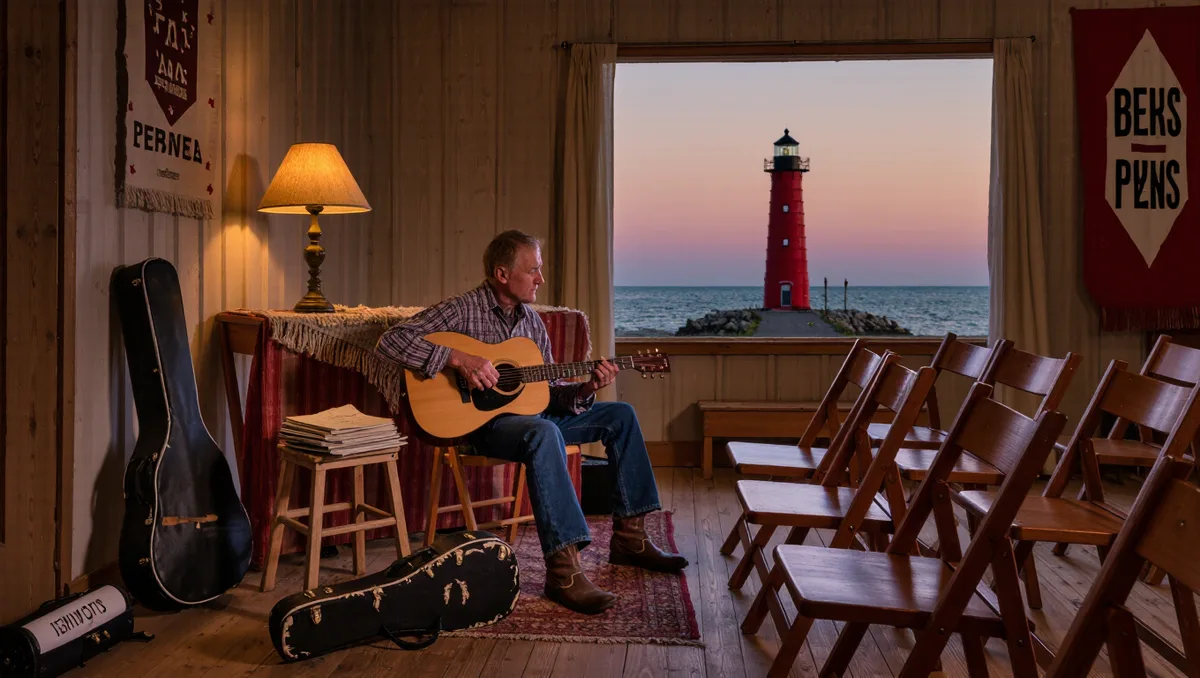
A Michigan co-op brought back a teaching-and-performance format with one show and two workshops — a modest restart, and a telling one.
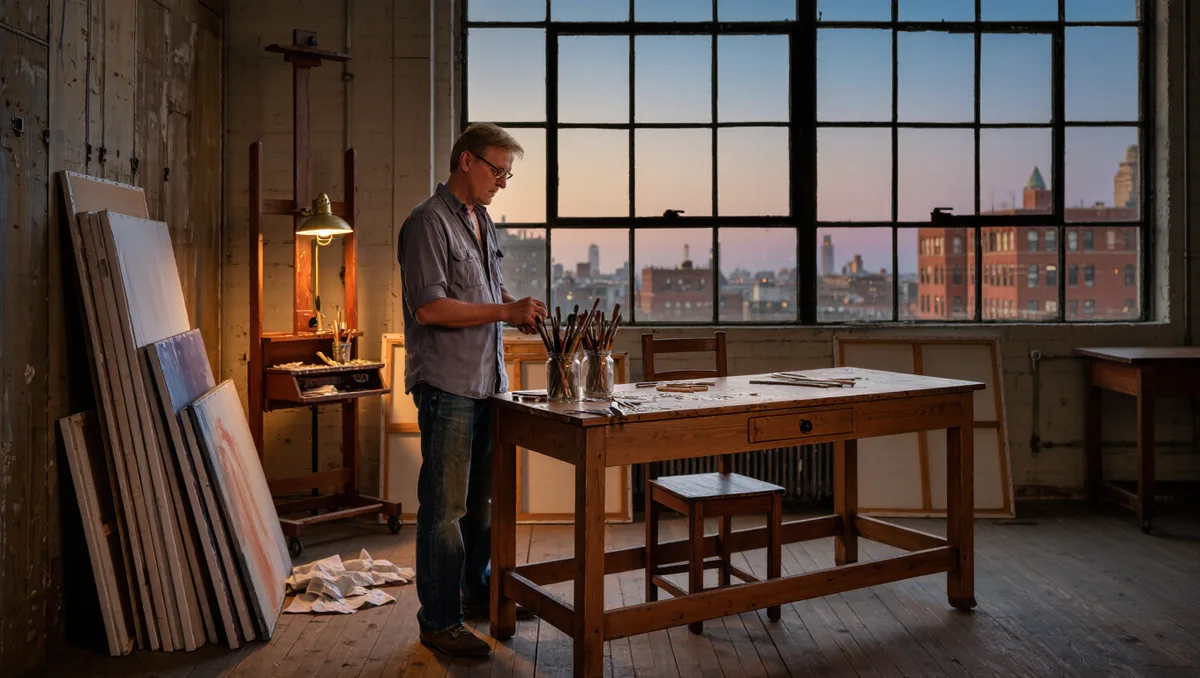
Clutter, light and habit leave fingerprints on finished work. A look at what a studio tells a visitor that a gallery wall never will.
Why contemporary women's fiction keeps topping reading lists, traced through one author's steady arc from romantic comedy to something heavier and truer.
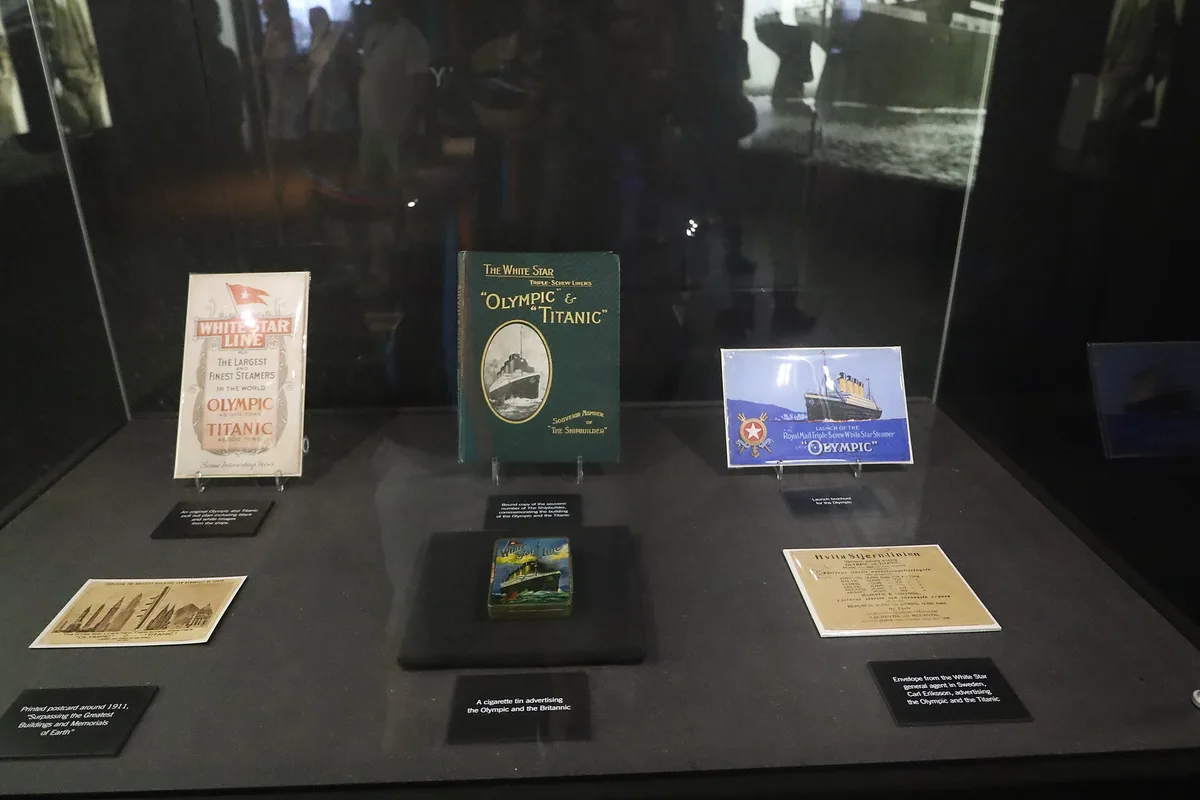
Reading listings, timing the visit and keeping the crowds from ruining a blockbuster.
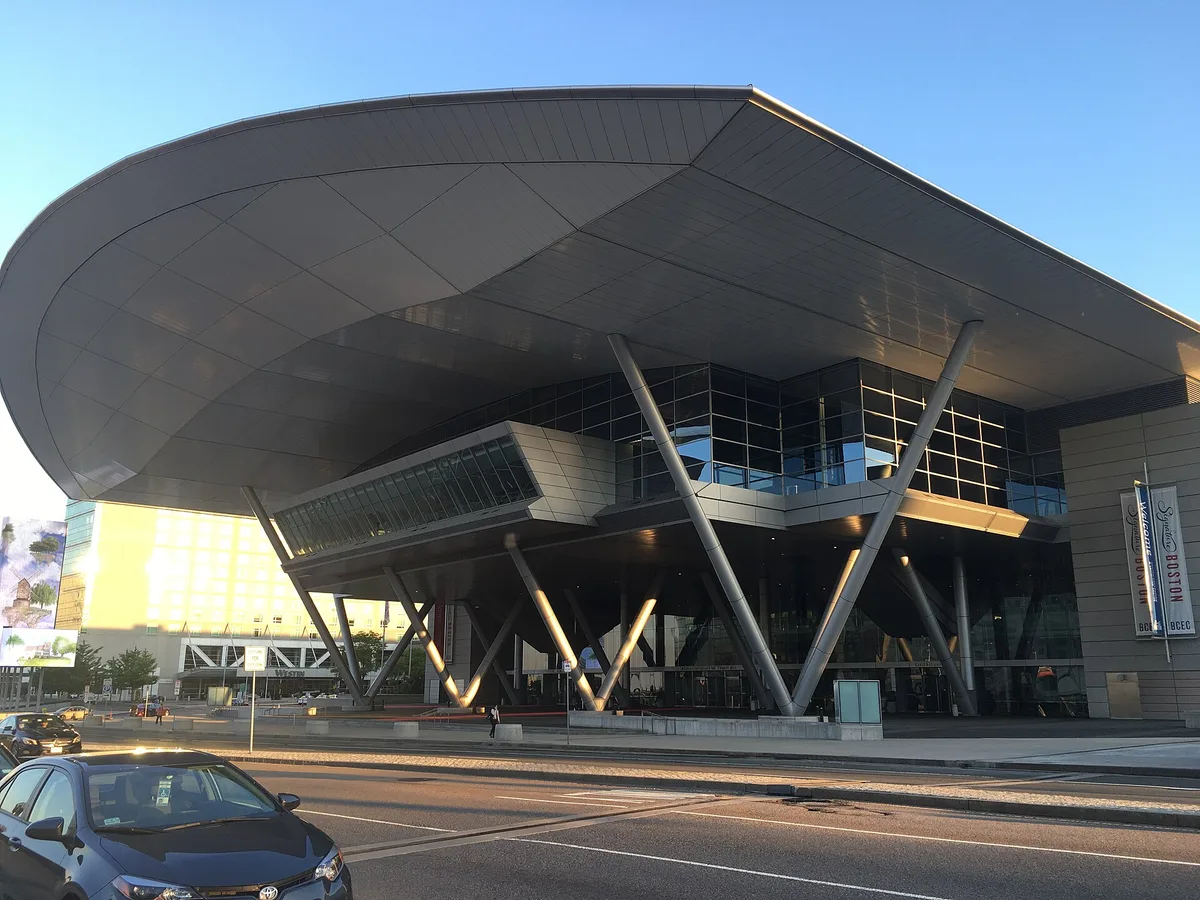
The Green Line strings most of Boston's major museums together. A little sequencing turns a day of riding into a day of looking.

A group show puts many artists in one room, and it is easy to walk out unsure what you saw. Learn how to find the theme, read how the show was picked, and leave with a clear opinion instead of a blur.
One headline show, two smaller rooms, and a plan that keeps the walking manageable.
A repeatable weekend template — galleries, open studios, library programming and public art — that refreshes weekly without going stale.
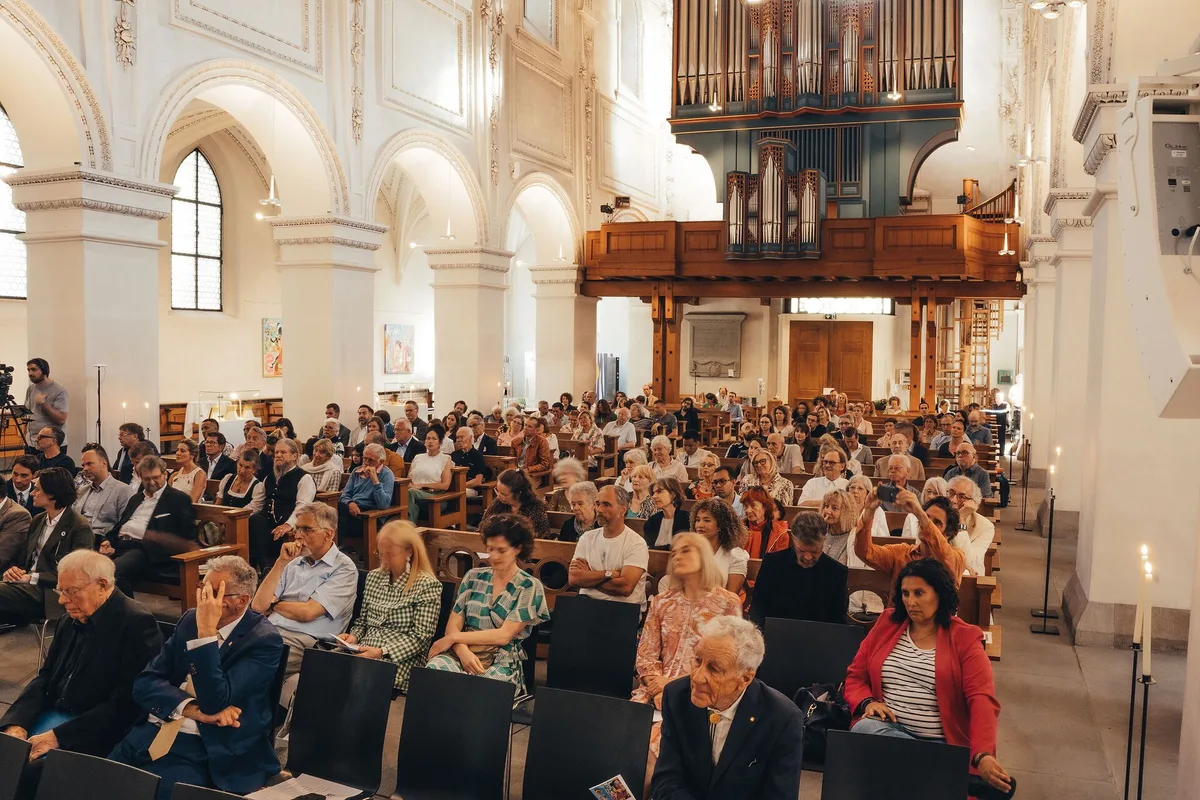
An opening reception is a preview of an art exhibition before the formal opening, with roots in the old varnishing days of the academies. Here is what it is actually for, who it serves, and when you are better off skipping it and visiting later.
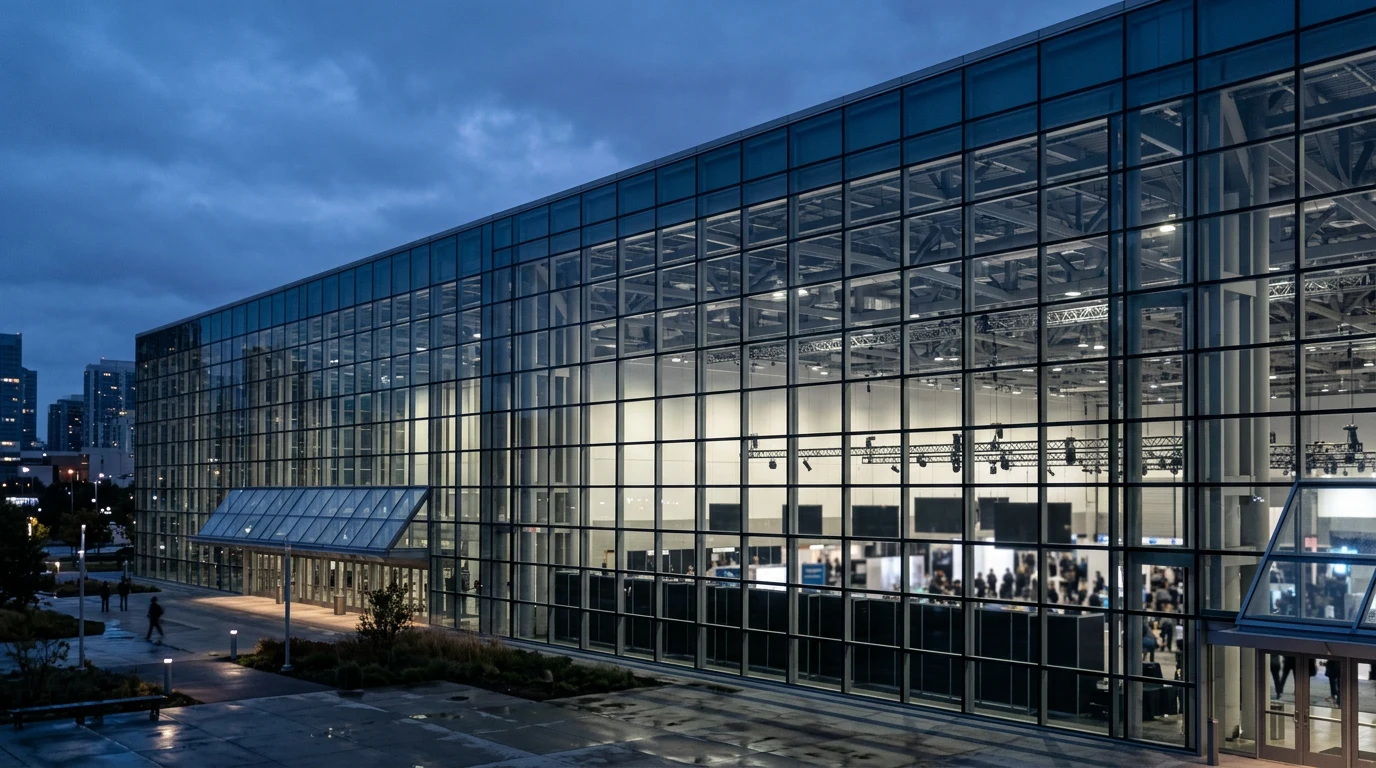
The fair's VIP preview moves to September 24 to avoid clashing with Frieze Seoul, with roughly 230 galleries and two new Caribbean-focused sections.
Between The Kitchen in Chelsea, the Museum of Modern Art's Kravis Studio and the Performa biennial, New York covers performance art from intimate experiments to citywide spectacle.
A charity's tax filing is public. Here is what to look for in it, and in what order, before you give.
Museum calendars in New York follow a rhythm of fall and spring openings. Knowing that rhythm turns a crowded afternoon into a well-placed visit.
The Metropolitan Museum of Art charges $30 general admission but remains pay-what-you-wish for New York State residents and tri-state students, per the museum's current policy.
The fair floor, the gallery back room and the museum shop each teach a new collector something different — and the order matters more than the destination.
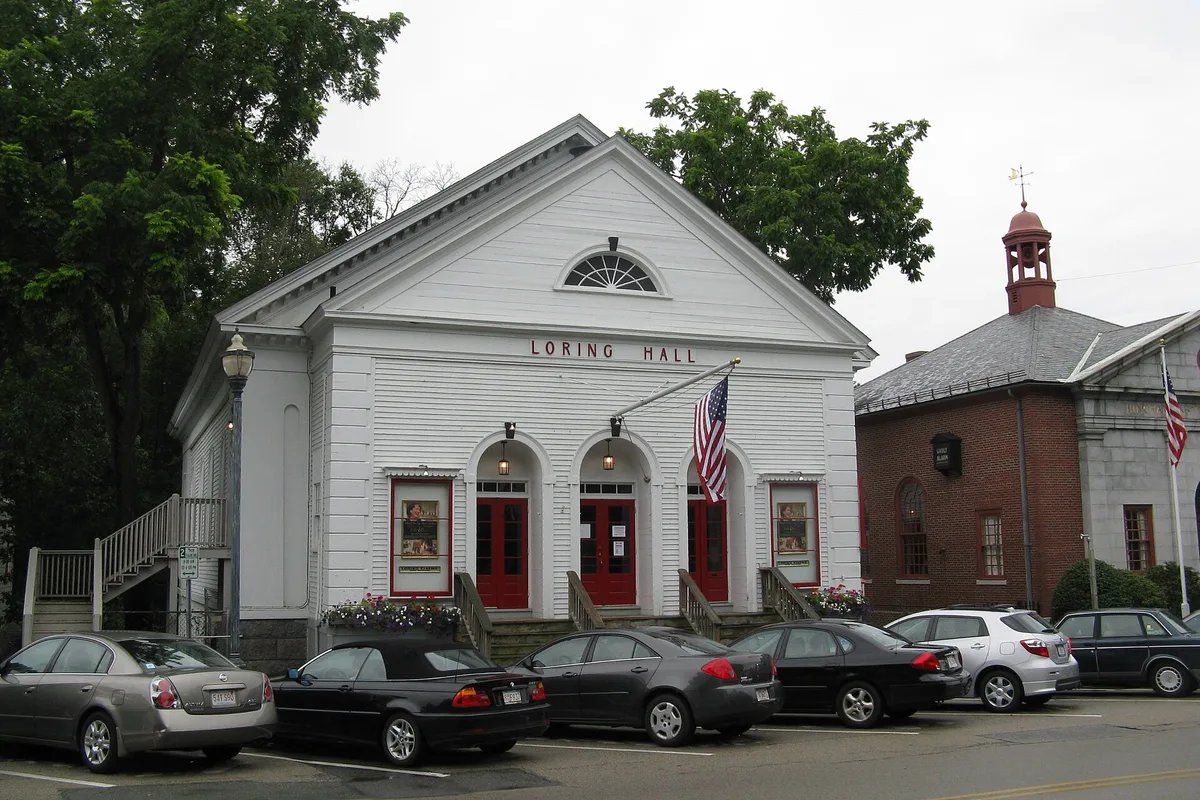
More than 130 local artists fill downtown Hingham this Sunday — a case study in how small-town art walks work, and how to get the most from one.
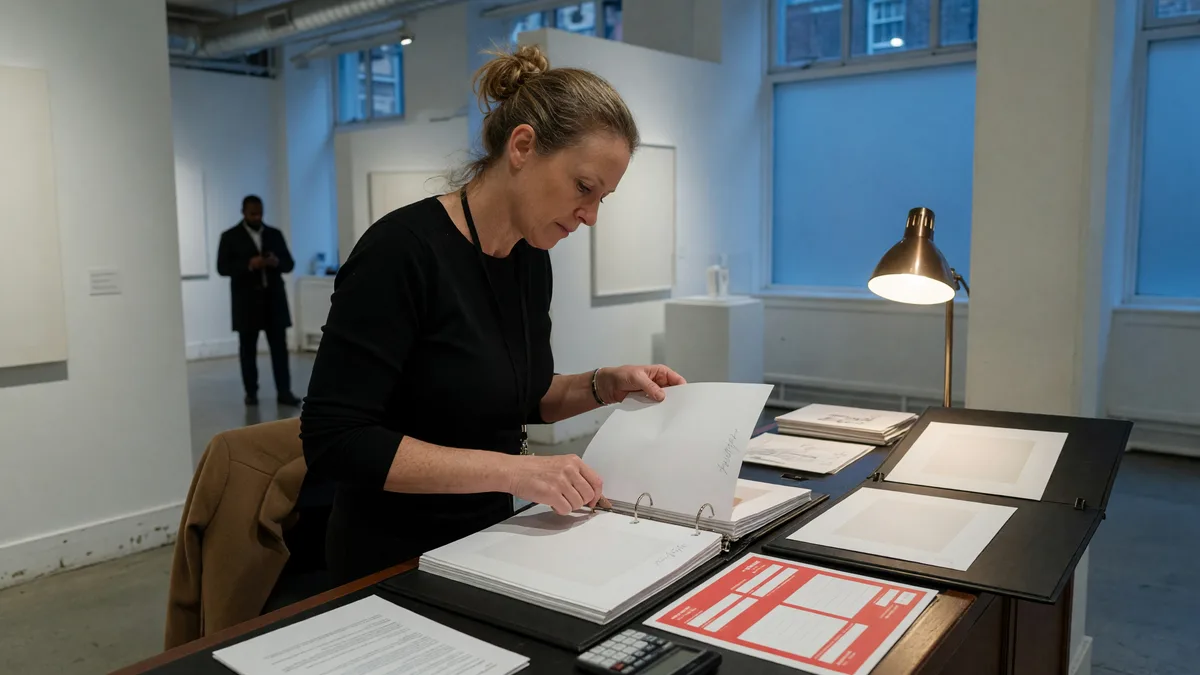
An artist's CV is a short summary of a career: training, exhibitions, collections, and awards. Learn what each section means and what it can tell you before you walk into a gallery, so your next visit starts with context.
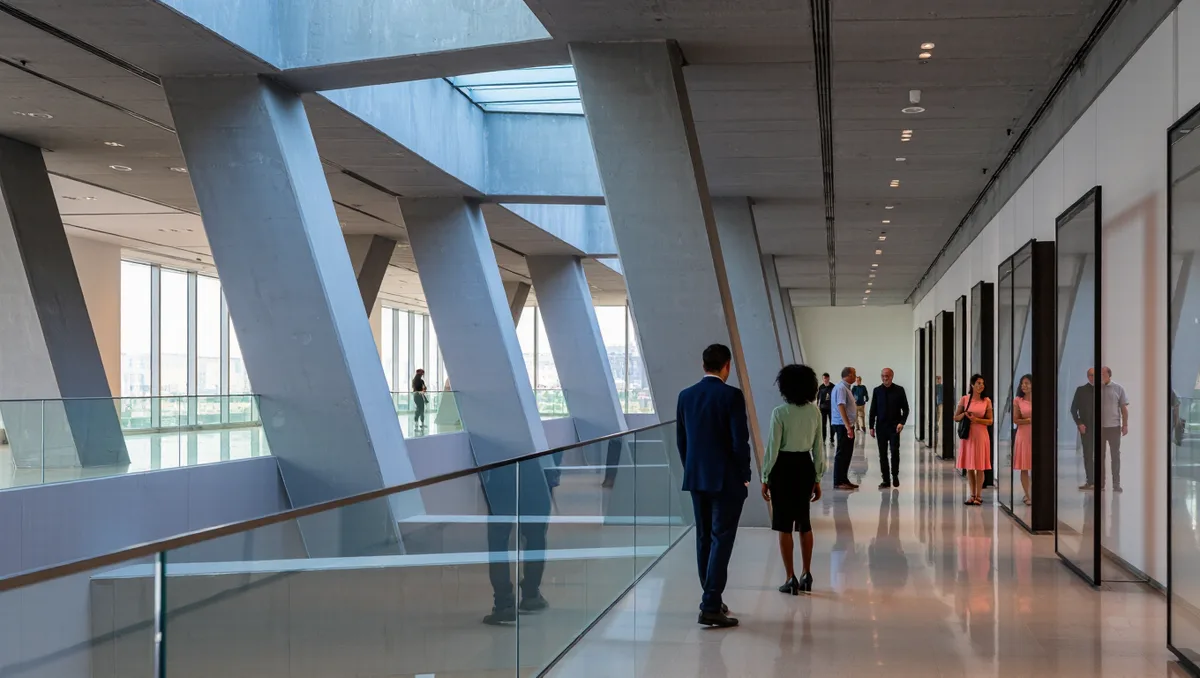
The fair's second Houston edition scales up to 98 galleries from 20 countries and territories, and the local contingent has grown with it.
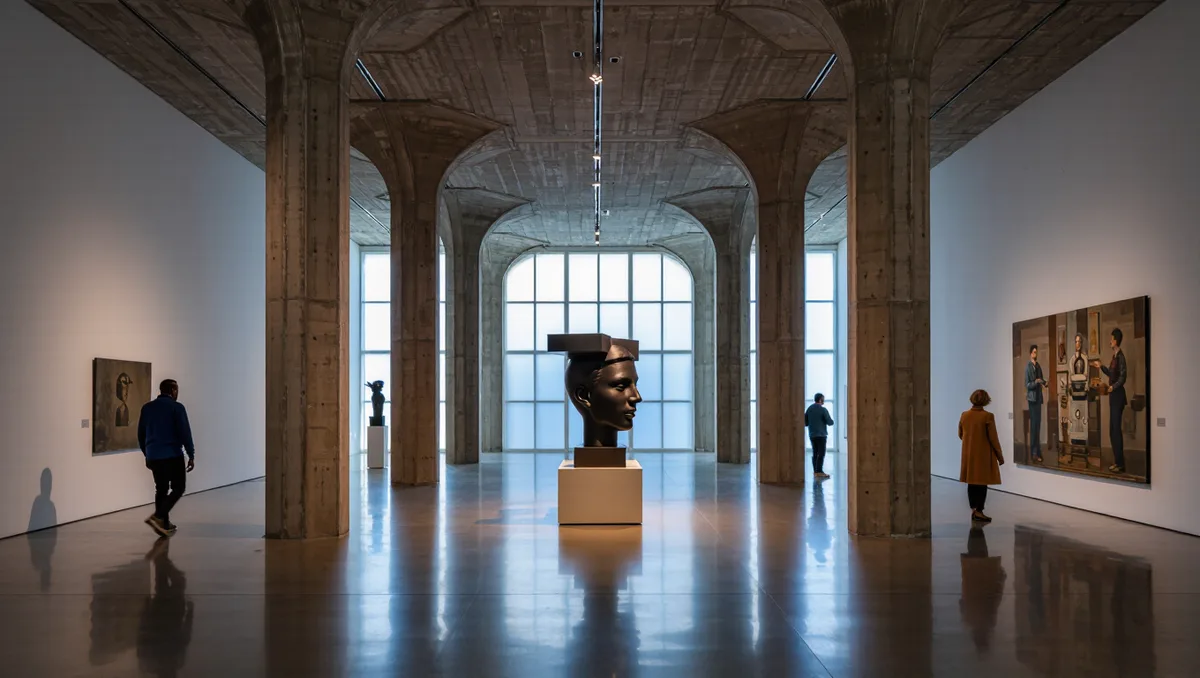
A granite knob in Franconia Notch carries a painter's name and one of the White Mountains' best reward-for-effort ratios.
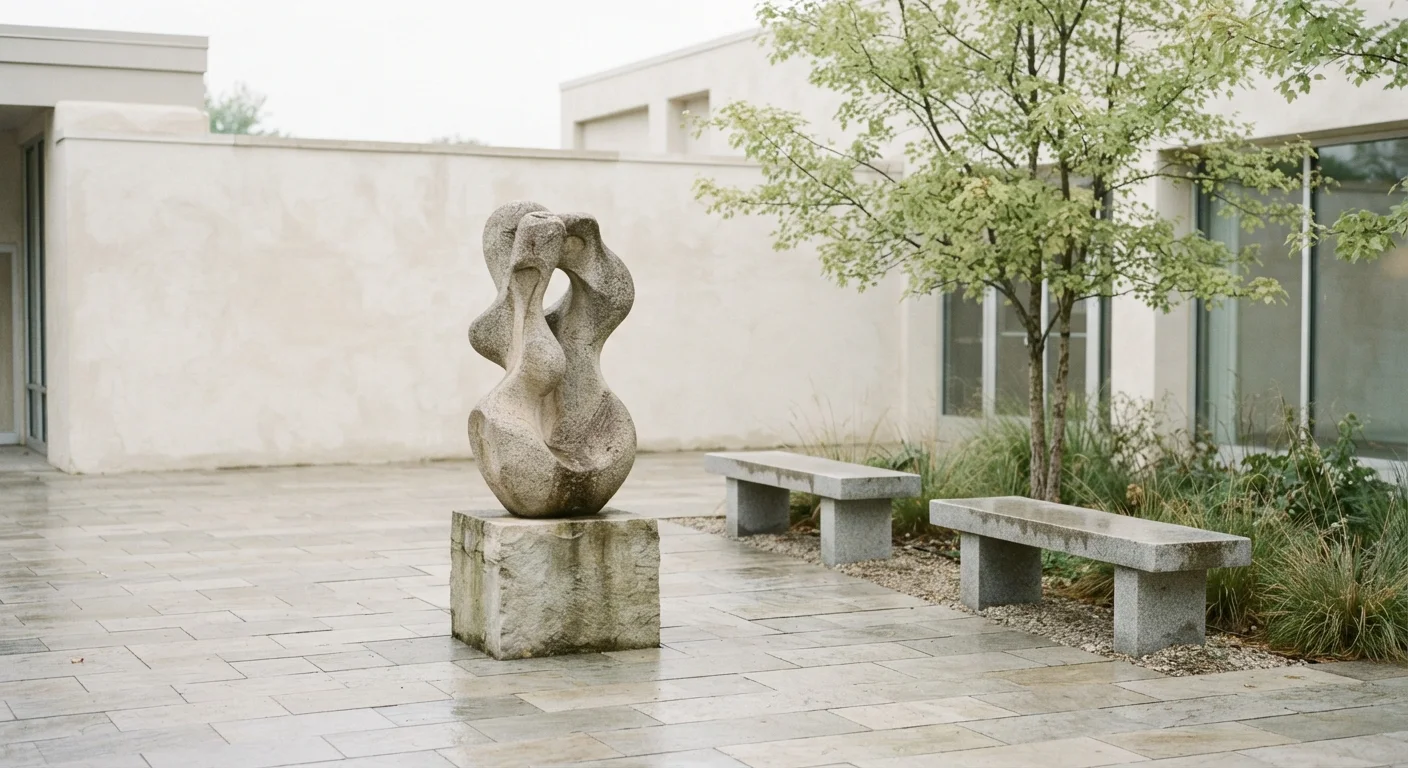
New York's public art runs through three channels — the city's Percent for Art law, the Public Design Commission, and MTA Arts & Design — each with its own budget rule and vetting process.
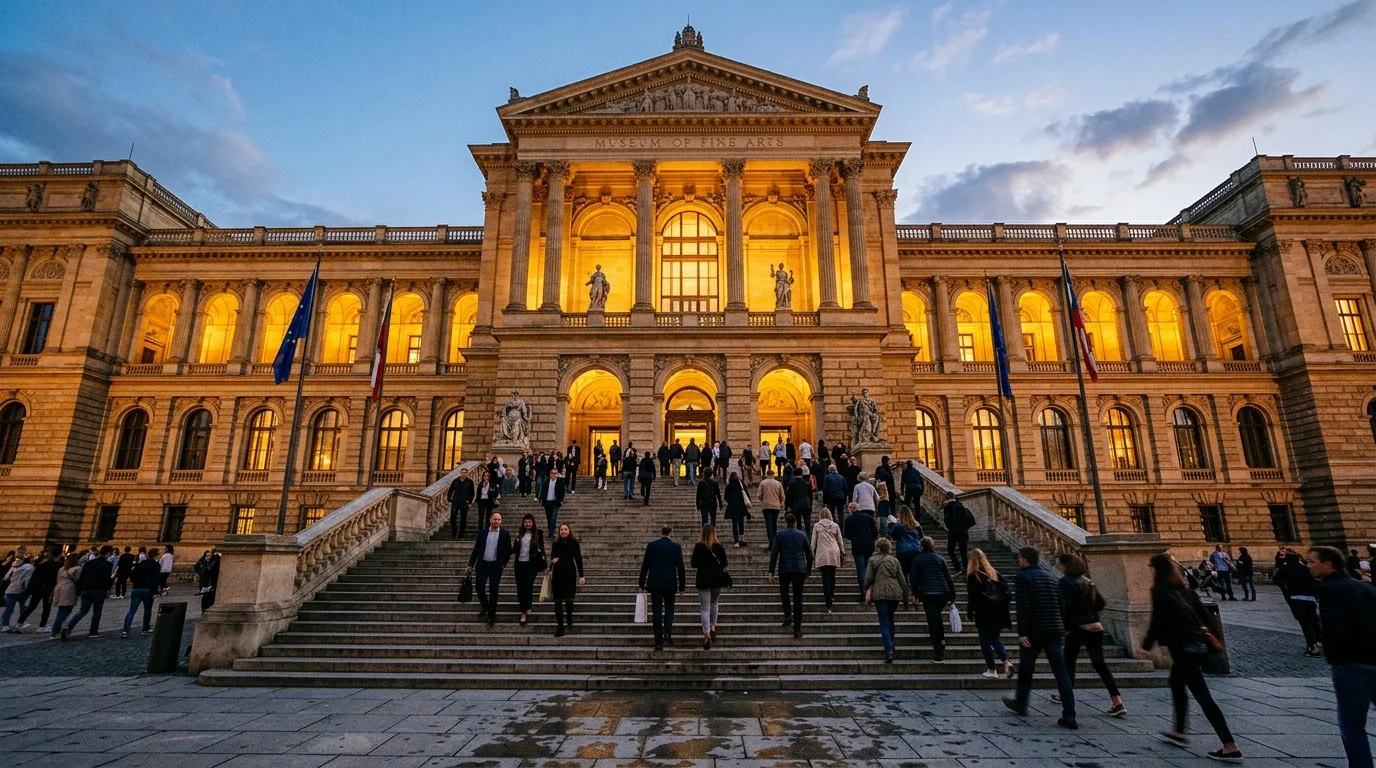
The Met, MoMA, MoMA PS1 and the Whitney each waive or reduce their standard ticket price under specific conditions, from residency-based pay-what-you-wish rates to a museum that has gone fully free.
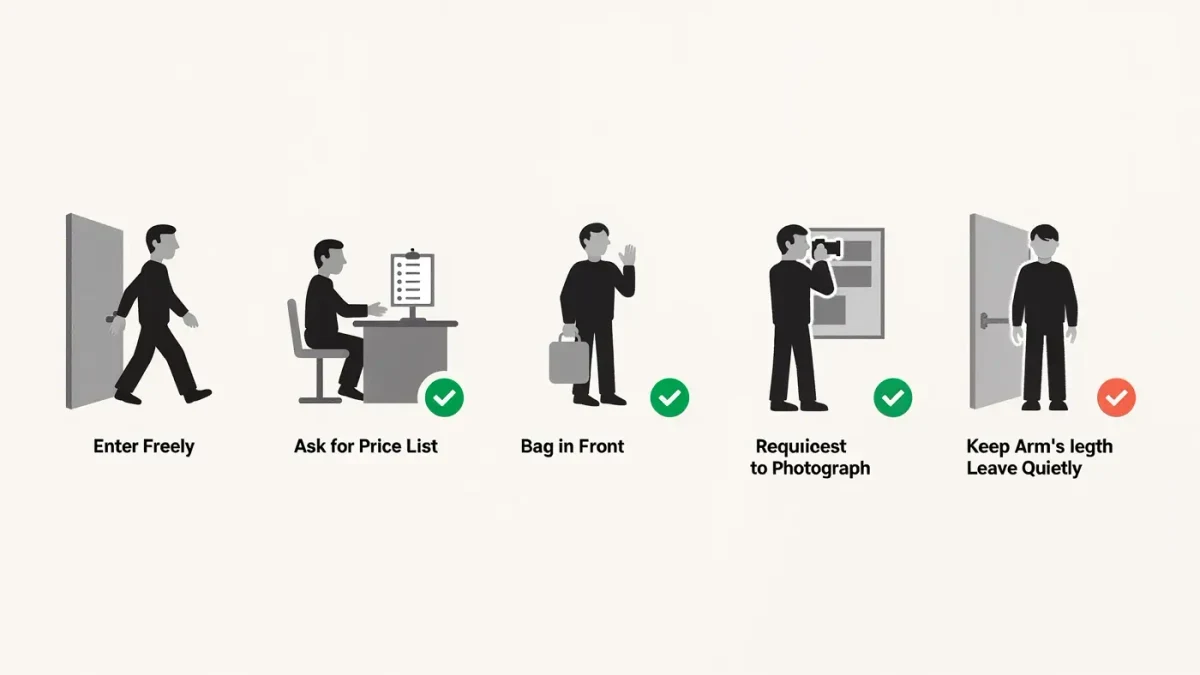
New York's commercial galleries are free, unstaffed by ticket desks and quietly rule-governed; a first-timer's guide to entering, asking prices, bags, photography and leaving without buying.
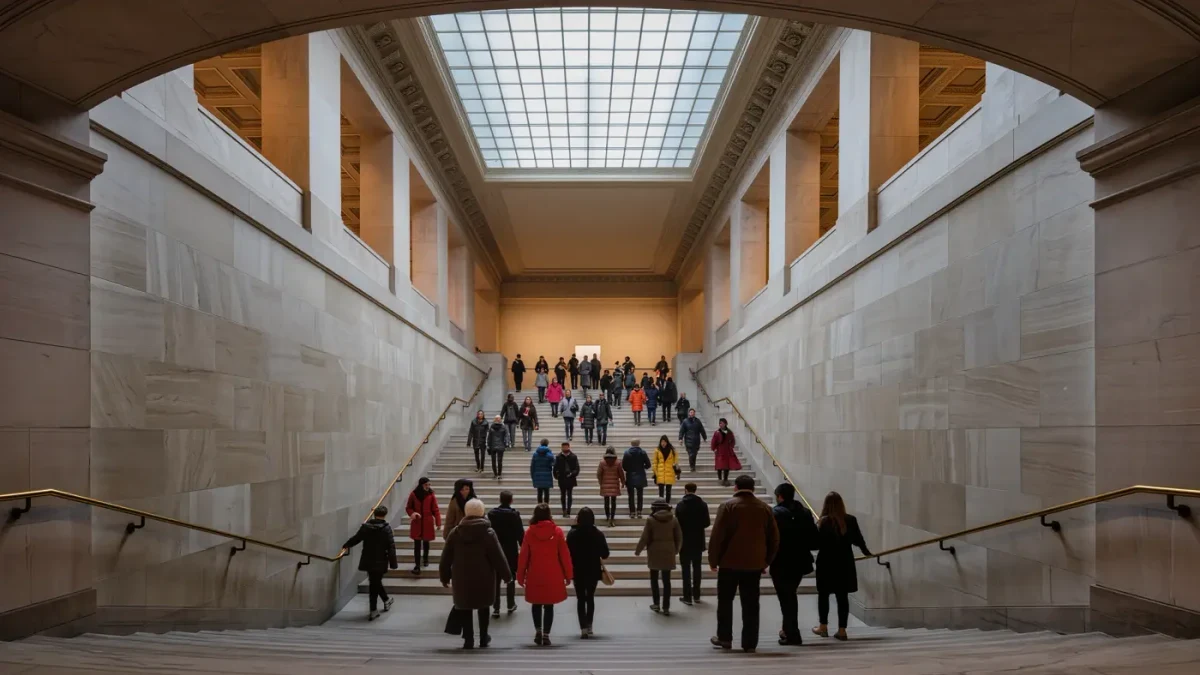
A visiting guide to the Brooklyn Museum: the Egyptian galleries, Judy Chicago's The Dinner Party, the 2 and 3 trains from Manhattan and the First Saturdays evening series.
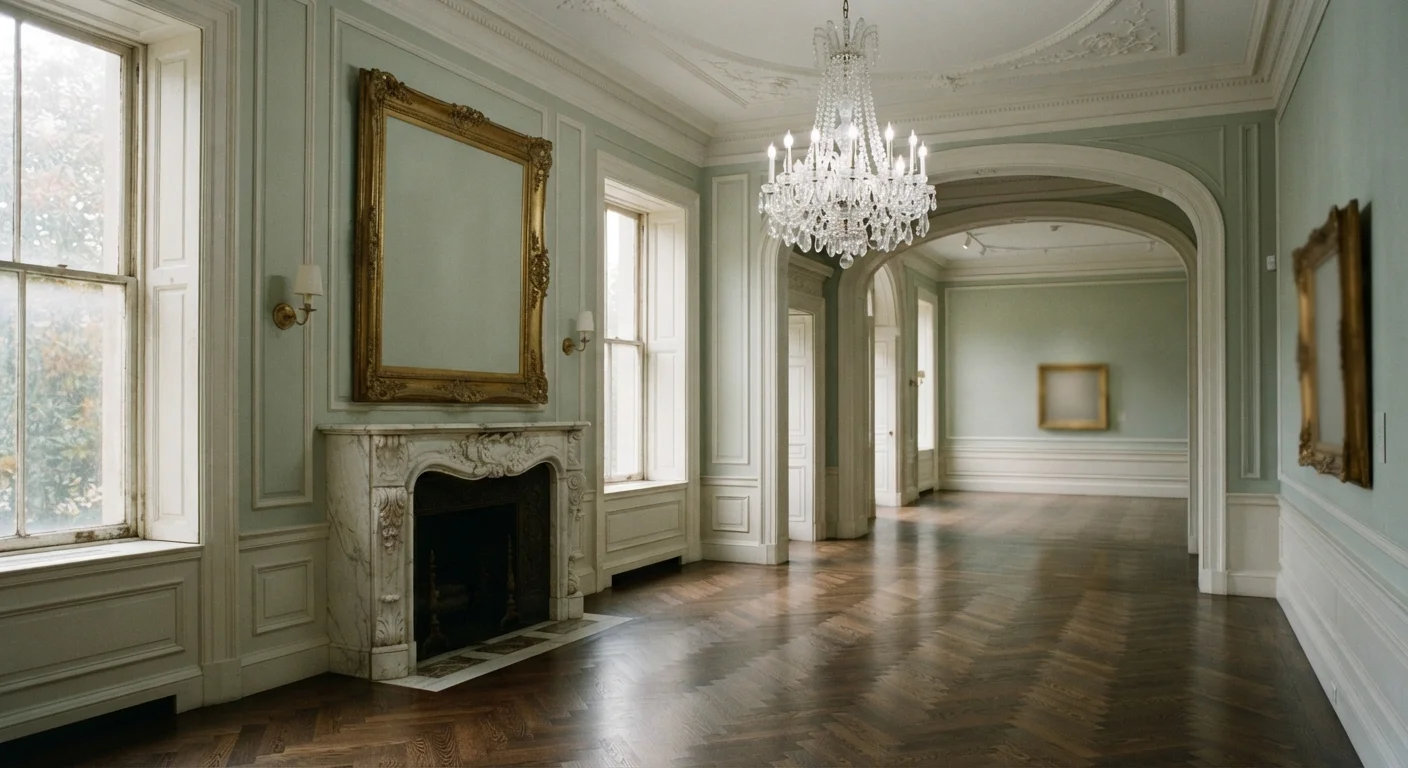
The Frick Collection reopened in April 2025 after its Selldorf Architects renovation, opening second-floor galleries of the Gilded Age mansion for the first time in its history as a museum.
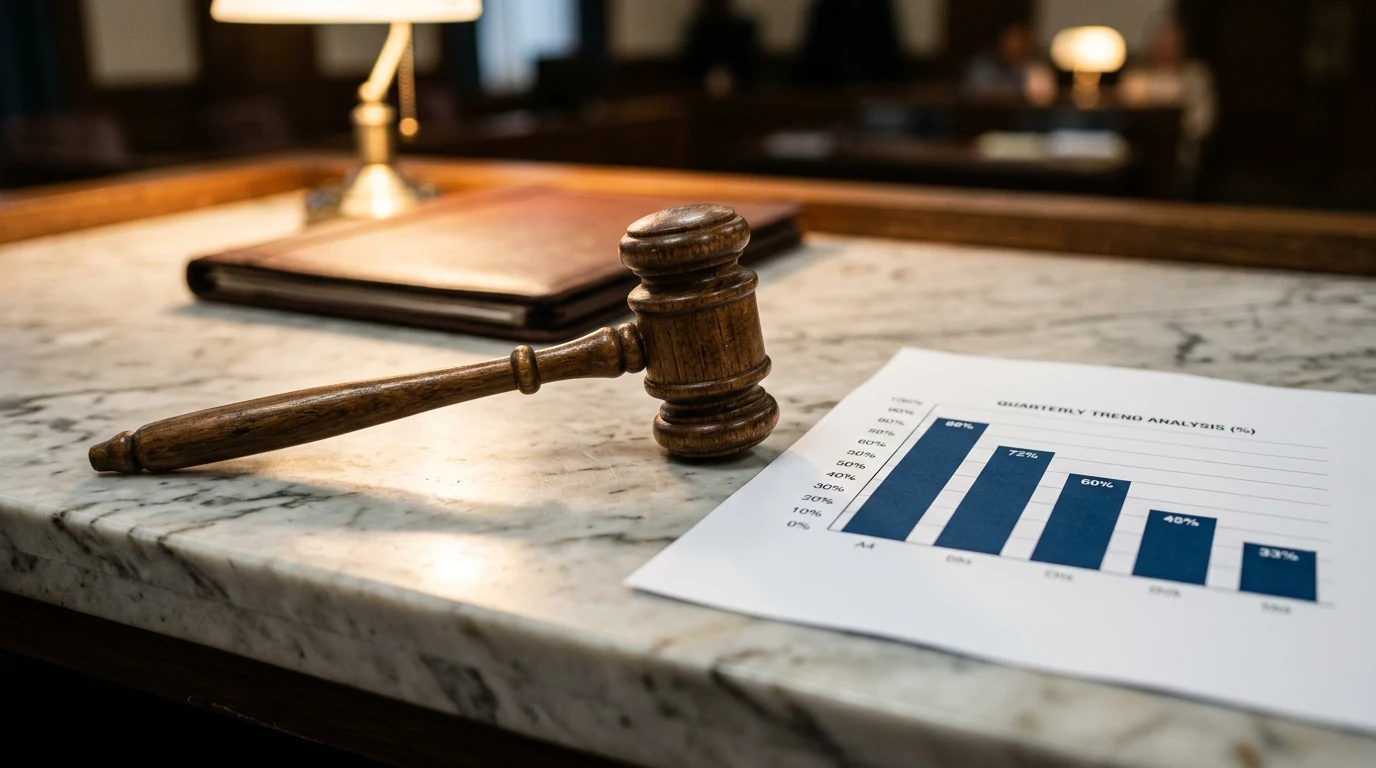
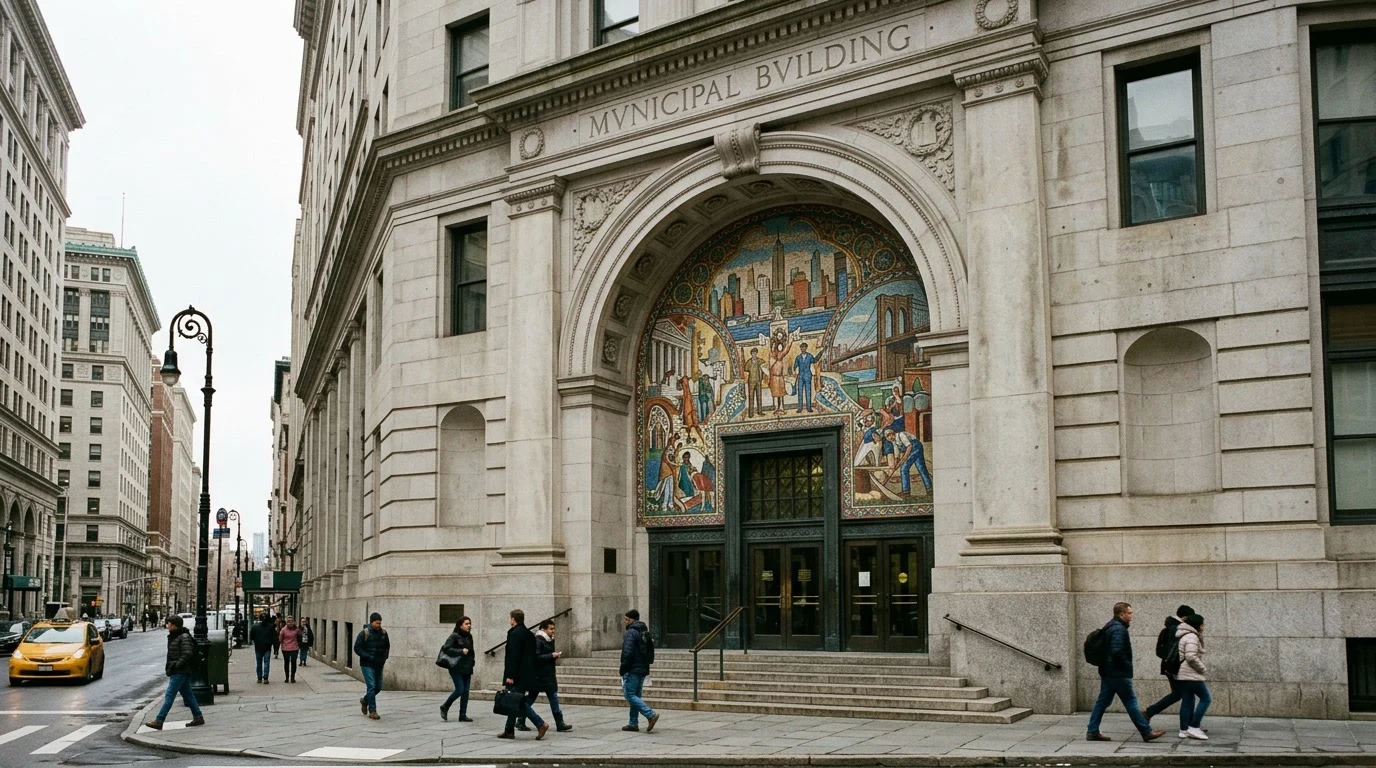
A 1982 city law quietly shapes the sculptures, mosaics and murals in New York's firehouses, courthouses and schools. Here is how the selection actually works.