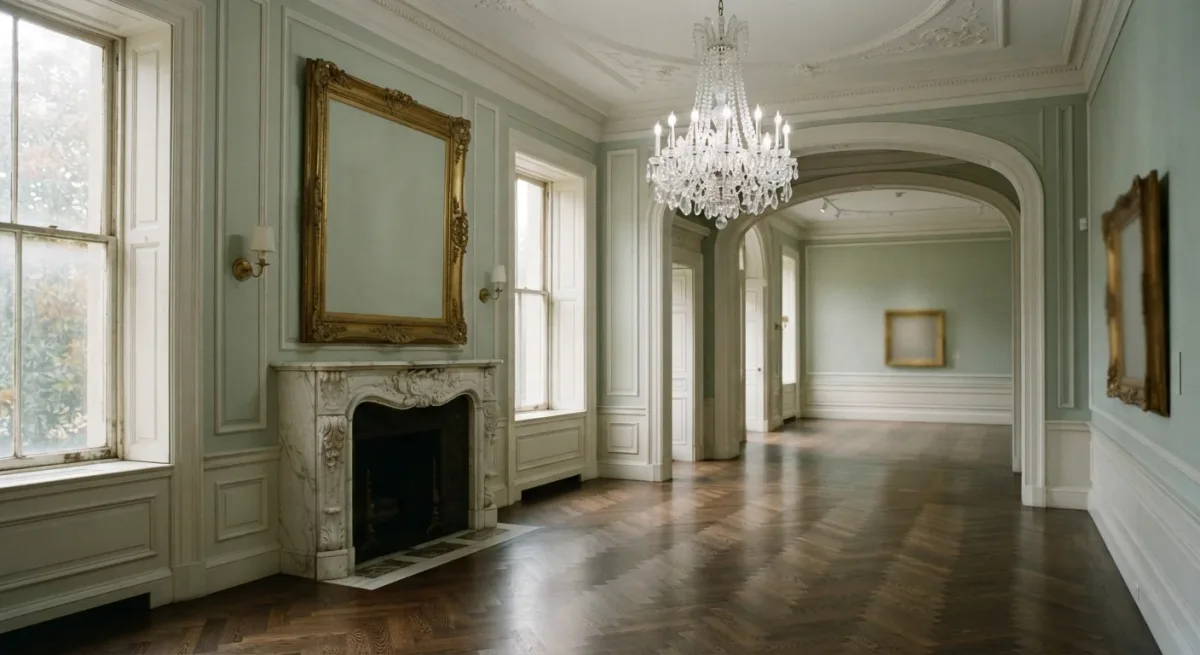
The Frick Collection reopened to the public on April 17, 2025, following a multi-year renovation and expansion by Selldorf Architects that restored the Henry Clay Frick House — the museum's home since 1935 — and opened its second floor to visitors for the first time, adding gallery space and a new purpose-built auditorium and education wing, per the museum's announcement. The institution had operated from a temporary home, Frick Madison, on Madison Avenue, during the closure that began in 2021.
The reopening matters for the city's art public in a specific way: the Frick is the last of the Fifth Avenue mansion museums, and the renovation is the first substantial change to its presentation in nearly nine decades. The mansion's residential scale — small rooms, domestic sightlines — is the collection's frame; the question the project answered was whether that frame could be preserved while the institution modernized beneath it.
What changed in how the collection reads: the second floor, which had served as staff and private space since the house became a museum, now hangs works including decorative arts and portraiture that the institution had rarely shown, per the museum's installation announcements. The vertical addition quietly rebalances the collection's hierarchy — galleries that were once the whole museum become the ground floor of a larger argument, and the Vermeers and Rembrandts, long the draw, now sit inside a fuller domestic context rather than standing alone as a greatest-hits floor.
The point of context other coverage skipped: the Frick's arrangement has always been governed by Henry Clay Frick's will, which left the house as a museum with its character preserved — the constraint that killed earlier expansion schemes, notably a contested 2014 garden-court plan that was withdrawn after objections, and that pushed the eventual project upward into the existing structure rather than outward. The reopening is thus not only an architecture story but an estate-terms story: what visitors now walk through is the most change the founding document permits.
The house reopening returned the institution to East 70th Street with more space, restored rooms, and its collection reinstalled in the mansion's original hang tradition; visiting details — hours, timed tickets, and the new entrance arrangements — are subject to the museum's current information and are best confirmed with the Frick directly before a visit.