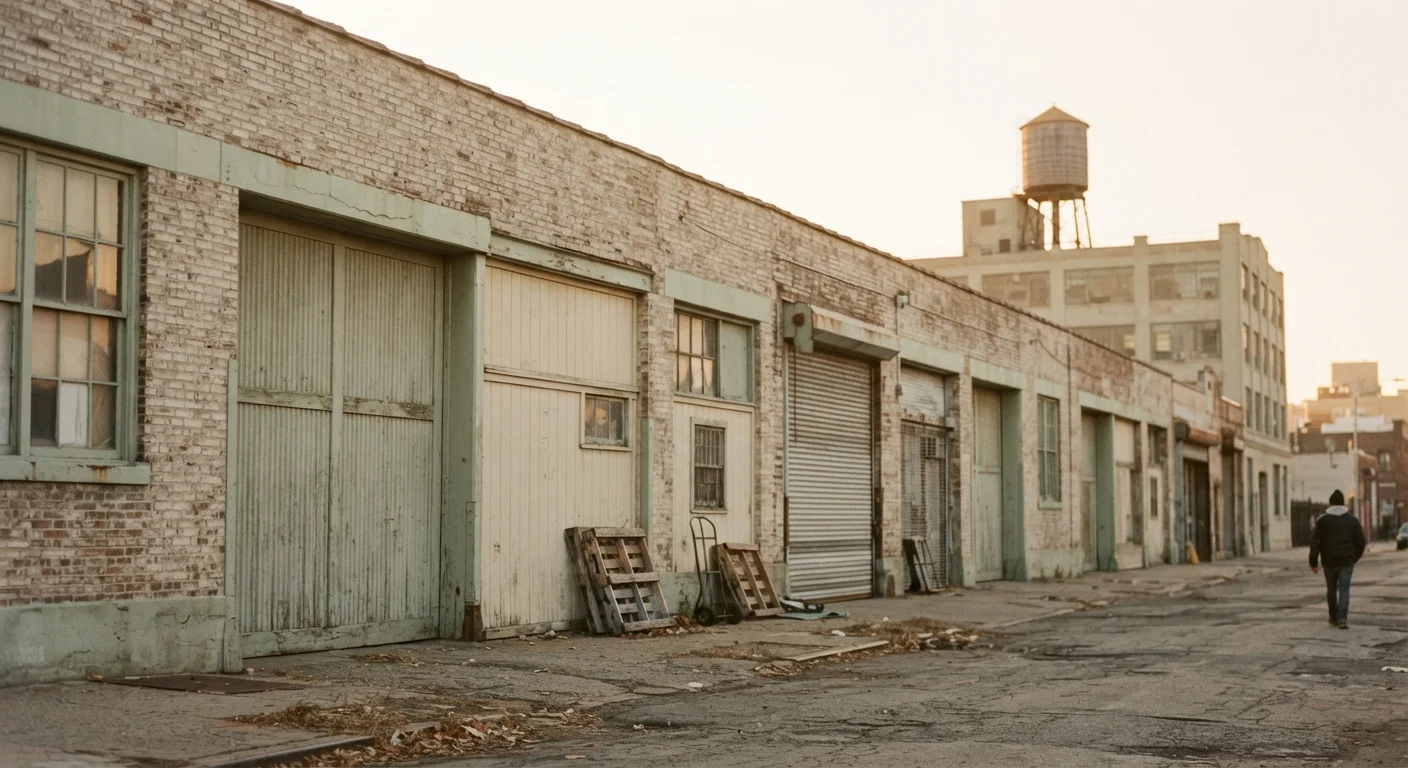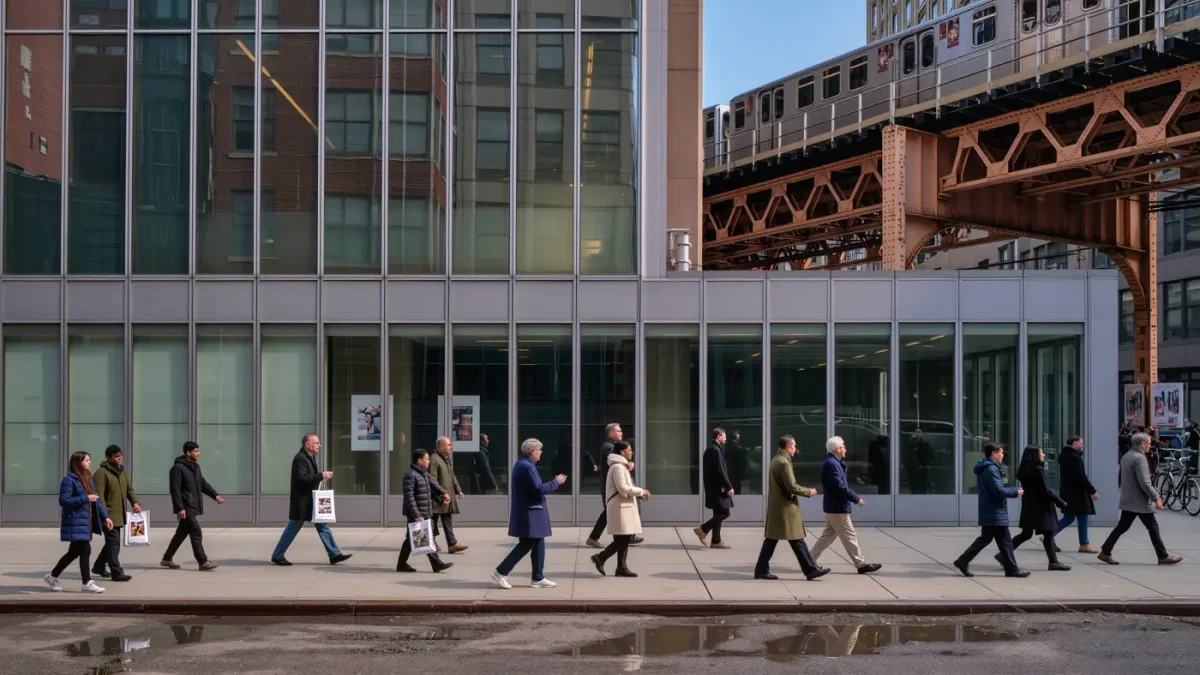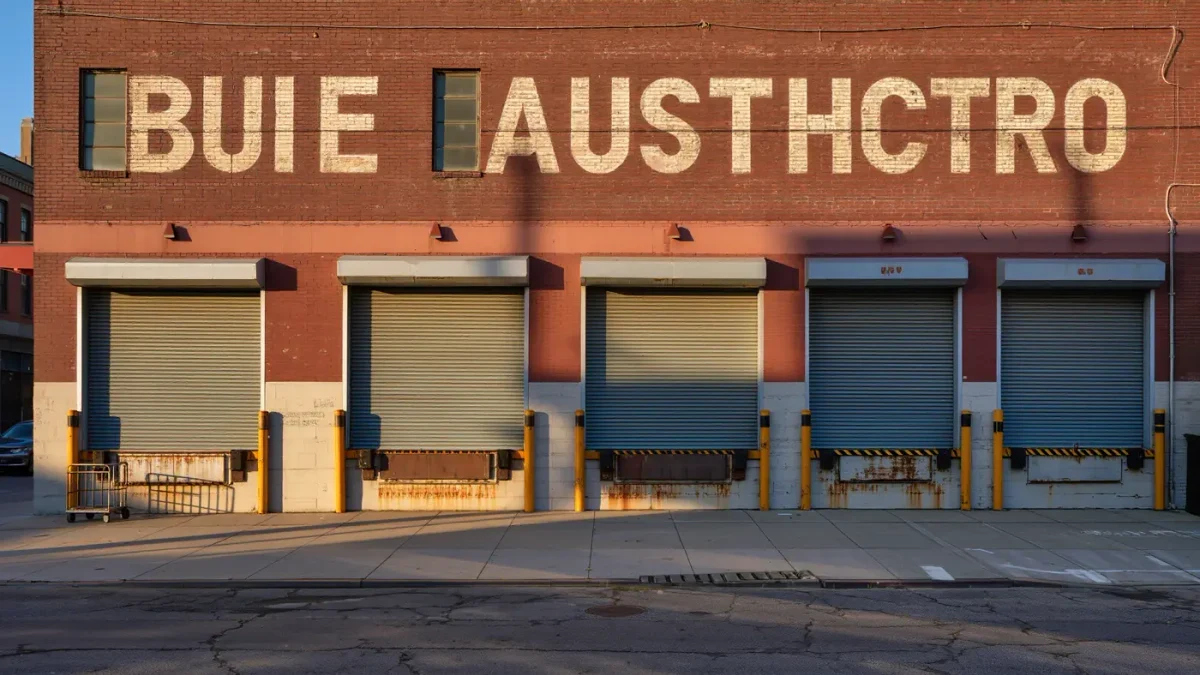
A Bushwick art walk centers on the blocks around the Jefferson Street and Morgan Avenue stations on the L train, where former factories and warehouses hold artist studios, small galleries and the BogArt building at 56 Bogart Street — four floors of studios and exhibition spaces that the city's tourism agency calls the neighborhood's first major art center. Unlike Chelsea or Tribeca, Bushwick is a studio district first and a gallery district second: the permanent stock is working space, and what opens to the public on a given weekend is a shifting layer of galleries, project rooms and murals.
The neighborhood's art economy took shape after the mid-2000s, when artists priced out of Williamsburg's renamed blocks crossed into Bushwick's industrial zone and took lofts in the dingy-commercial buildings that line Flushing, Wyckoff, Morgan and Troutman Streets. By 2012 the scene was legible enough that the Chelsea gallery Luhring Augustine opened a warehouse exhibition space on Knickerbocker Avenue; by the 2020s the studio stock had consolidated into a few large buildings, with dozens of independent spaces orbiting them. Everything below is as of March 2026 and subject to change — in Bushwick, rosters turn over faster than anywhere else in the city.
Where does the walk start?
Start at the Jefferson Street station on the L, at the corner of Wyckoff and Troutman Streets, which puts the BogArt building two blocks north and the Bushwick Collective murals one block south. Jefferson is the district's front door; the Morgan Avenue station, one stop earlier, serves the studios along Flushing and Morgan Avenues and makes a better exit point, since ending there avoids retracing steps to Jefferson.
The walk itself is a rectangle roughly half a mile on each side: Bogart and Stout Streets north of Troutman, the studio corridors along Flushing and Morgan Avenues west and south, and the mural streets — Troutman, Jefferson and Cypress — threading through the middle. None of it is more than fifteen minutes from either station, but the blocks between are plain industrial frontage, so a map or a gallery listing pulled before arrival saves dead walking.
What is the BogArt building?
The BogArt, at 56 Bogart Street, is a converted factory holding four floors of artist workspaces and galleries behind a roll-up gate and a painted facade that has itself become a photo backdrop. According to NYC Tourism, it was Bushwick's first major art center, and its roster has always been the neighborhood's bellwether: galleries and project spaces inside open largely on weekend afternoons, and the list of names changes season to season, with some spaces moving to other corridors or closing between visits.
The practical approach is to treat the building as a vertical gallery crawl — walk every floor, note what is open, and return later in the day for anything installed but closed. Weekday visitors will find most of it shuttered, since studios are working spaces; the weekend window, roughly noon to 6 p.m., is when the building functions as a public venue. Exhibition openings cluster on Saturday evenings and are posted on the building's street-level billboards.
What is the Bushwick Collective?
The Bushwick Collective is the neighborhood's open-air mural project: a dense, unofficial outdoor collection of painted walls concentrated on and around Troutman Street, begun around 2011 under the organization of the local business owner Joseph Ficalora, who invited graffiti writers and street artists to paint facades along the corridor. It functions as a self-guided walk with no hours, no tickets and no route — the murals begin near the Jefferson Street station and spread along Troutman, Jefferson and Cypress Streets, with new pieces replacing faded ones each season.
Two cautions apply. The walls are on private property, so viewing is from the sidewalk and photography should not block business entrances; and the Collective is a graffiti-and-street-art project, not a municipal program, so its quality and condition vary wall to wall. Visitors would do well to treat it as the connective tissue between studio stops rather than a destination that fills an hour on its own.
What hours do Bushwick galleries and studios keep?
The dominant pattern is weekend afternoons, noon to 6 p.m. on Saturdays and Sundays, with a minority of spaces opening Friday evenings or keeping Saturday-only hours. Studio buildings are otherwise working spaces: some individual artists welcome visits by appointment arranged by email or Instagram, and the larger buildings hold organized open-studio events a few times a year, when dozens of normally closed doors open on a single afternoon. Those event weekends, usually announced a month ahead, are the district's best days and its most crowded.
| Type of space | Typical hours (as of March 2026) | Notes |
|---|---|---|
| Galleries in the BogArt and nearby buildings | Saturday and Sunday, noon to 6 p.m. | Some add Friday evenings; rosters change often |
| Street murals | Always visible | Best in daylight; sidewalks only |
| Artist studios | By appointment | Email or message ahead; open-studio events several times a year |
| Project spaces and collectives | Irregular; postings on site | Check billboards and listings before visiting |
Which trains serve Bushwick?
The L train is the district's spine: the Jefferson Street station sits at its northeast corner and Morgan Avenue one stop away at its southwest edge. From Manhattan, the L runs from 14th Street stations in roughly fifteen to twenty minutes; from the Lower East Side, the J, M and Z connect at the Delancey Street–Essex Street and Lorimer Street stations into Broadway Junction for a transfer, though the simplest plan is the L itself. The M train stops at Knickerbocker Avenue and Myrtle Avenue, serving the district's southern blocks.
Weekend L service has been the neighborhood's running variable for a decade; checking the Metropolitan Transportation Authority's weekend advisories the night before is not optional advice but basic planning. Cyclists can ride the Williamsburg Bridge path and continue up Flushing Avenue; the trip from the bridge to the BogArt building takes about twenty minutes at an unhurried pace.
Where should visitors eat and rest?
Roberta's, the pizzeria at 261 Moore Street that opened as the studios were filling in, remains the neighborhood's signature stop and takes reservations; the blocks around it carry the coffee-and-sandwich trade that sustains studio workers. Maria Hernandez Park, at Knickerbocker Avenue and Suydam Street a few blocks southeast of the murals, is the district's green pause — benches, a playground and, in warm months, the fullest cross-section of the neighborhood's actual residents, as distinct from its visiting art public.
Water and comfortable shoes matter more here than in Manhattan's gallery districts: the walk is longer, the surfaces are industrial, and the gaps between clusters are real. A reasonable day is two museums' worth of walking compressed into three hours of viewing.
What are the practical details?
District: Bushwick, Brooklyn, around the Jefferson Street and Morgan Avenue stations on the L train; core blocks are Bogart, Stout, Troutman, Flushing, Wyckoff and Morgan. Subway: L to Jefferson Street or Morgan Avenue; M to Knickerbocker Avenue or Myrtle Avenue. Hours: galleries mainly Saturday and Sunday, noon to 6 p.m.; studios by appointment (as of March 2026). Admission: free; murals on public sidewalks. Food: Roberta's, 261 Moore Street; cafés around Morgan Avenue. All details subject to change; confirm spaces and weekend L service before traveling.