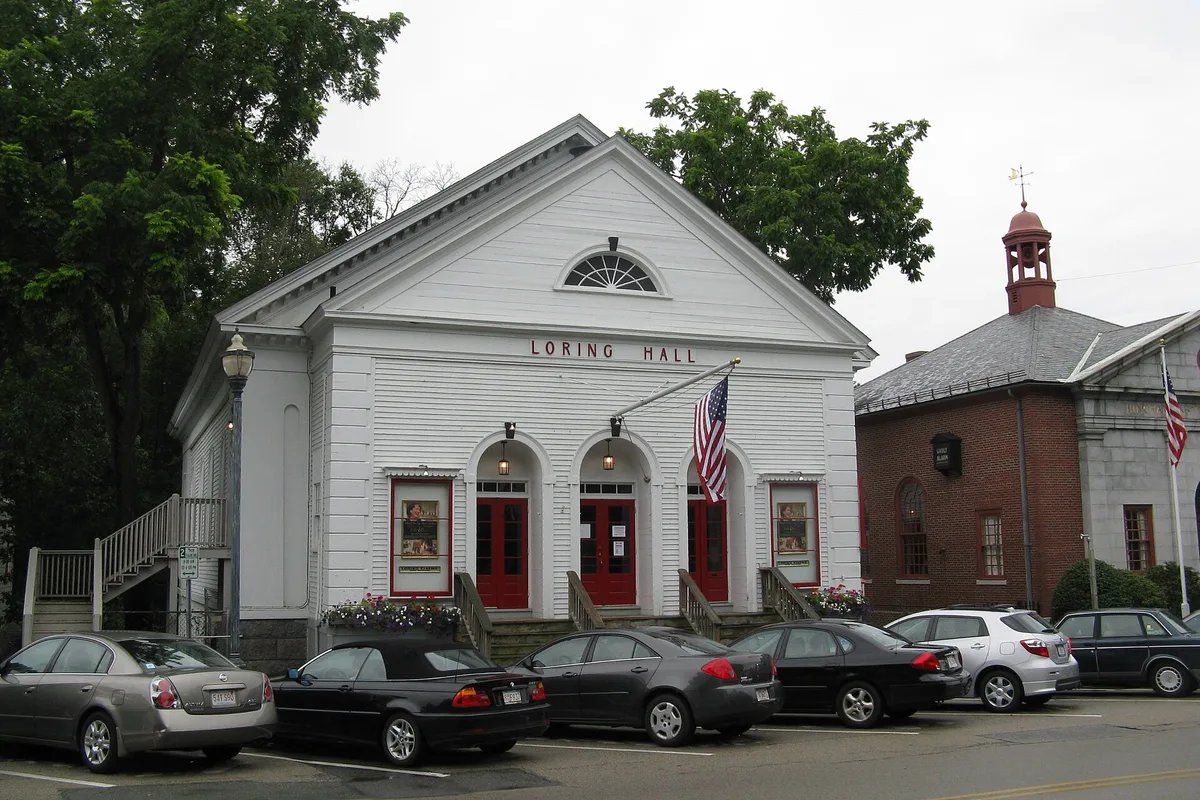
The Hingham Arts Walk returns for its 21st year on Sunday, Oct. 18, bringing more than 130 local artists into the shops, sidewalks, open studios and historic buildings of downtown Hingham, Massachusetts. The free event runs from noon to 4 p.m., rain or shine, and is hosted by the Hingham Downtown Association. According to Hingham Anchor, visitors can meet artists, watch demonstrations and buy original work directly from its makers.
Twenty-one years is a long run for any community event, and it points to why art walks endure. They solve two problems at once: artists get a place to display and sell their work outside a traditional gallery setting, and towns get a reason for people to spend an afternoon on foot. For anyone visiting New York's own gallery districts, the format is worth understanding — the mechanics of a town-wide open studio are the same ones that make a Chelsea Saturday or a Lower East Side gallery night rewarding. Our artists coverage regularly returns to the question of where work can be seen outside the white cube, and events like Hingham's are the small-town answer. Readers following this should also see How to make the most of an outdoor art festival, from a small one that got it right. Readers following this should also see How to make the most of an outdoor art festival, from a small one that got it right.
What actually happens at an arts walk
The Hingham model is the classic one. Artists are distributed across existing businesses rather than gathered in one hall. Painting, illustration, photography, jewelry, pottery, mixed media, pastels, collage, woodworking and decorative arts are all on the list, and youth artwork is featured alongside the professionals. Named artists this year include Karla Hunter of K. Hunter Art, Lisa Corrado of Lisa Corrado Art & Design, and Alyssa Fortin Fine Art Photography, among others.
Demonstrations are the part many visitors skip and shouldn't. Watching an artist work — a potter at the wheel, a painter laying in a pastel — is the closest most people get to the creative process, and it is also the easiest way to start a conversation that ends with understanding what a piece took to make. Buying direct from the maker is the other half of the deal: the buyer gets the story along with the object.
The performance and food layer
Hingham pads out the visual art with a full slate of live acts: the Hingham High School Marching Band, Hingham High School Drama, South Shore Conservatory, Missy's Movement, Hingham Civic Music Theatre, Spotlight Music and Theatre, and Dance Legacy Arts. Food trucks — Woodman's of Essex, Bump 'n Brine, Just the Dip and All Belgian Waffles — cover the between-stops meal.
This is not padding. Performance and food are what keep families on site for the full four hours, and four hours is exactly the right length for a walk like this. Longer and fatigue sets in; shorter and the crowds never spread out. If you are planning a visit to any open-studio event, treat the schedule the way a set list works at a festival: anchor your route around the performances you want to catch, and let the art stops fill the gaps.
How to plan a visit to an event like this
The logistics in Hingham are a template. The event is free, which removes the biggest barrier to casual attendance. It runs noon to 4 p.m. on a Sunday, the friendliest possible slot for families. And parking — the perennial headache of any downtown event — is handled with a complimentary LOOP Shuttle running from the Bathing Beach parking lot to Elm and Main streets.
A few habits transfer to any art walk:
- Arrive near the start. Demonstrations and popular artists draw clusters; early visitors see work before the crowds do.
- Walk the whole footprint once before buying. With more than 130 artists, the piece you regret missing is usually two blocks past the one you settled for.
- Step inside the host businesses. Part of the point, as the organizers frame it, is discovering independently owned shops and restaurants in a historic downtown setting.
- Ask about process. Demonstrating artists are there to talk about how the work is made.
For a fuller treatment of the genre, our guide to how to make the most of an outdoor art festival covers the same ground from the visitor's side, and how to read an artist's CV before a gallery visit helps when a walk turns you on to an artist worth following.
Why small-town art walks matter to the wider picture
Events like the Hingham Arts Walk give artists a way to show and sell work outside the gallery system, and give visitors a chance to buy directly from the people who made it — an experience the event's organizers describe as supporting the local arts community while exploring downtown's independently owned shops. The format is simple and visible: the maker stands next to the work.
That is also why the format has lasted 21 years in one town. It needs no ticketing infrastructure, no jury of national names, no shipping crates. It needs a downtown, a merchants' association willing to organize, and artists willing to stand next to their work for an afternoon. Larger fairs get the coverage; walks like this one do the quiet work of building local audiences for art. Readers tracking the bigger fairs can follow our art news section, or browse events for what is on in the city this season.
The details, for now
The Hingham Arts Walk runs Sunday, Oct. 18, from noon to 4 p.m. in downtown Hingham, Massachusetts. Admission is free. The event takes place rain or shine, and the LOOP Shuttle offers free rides from the Bathing Beach parking lot to Elm and Main streets. More information is available through the event's own listing at discoverhingham.com/hingham-arts-walk. As with any community event, hours and programming are subject to change, so verify details before setting out.