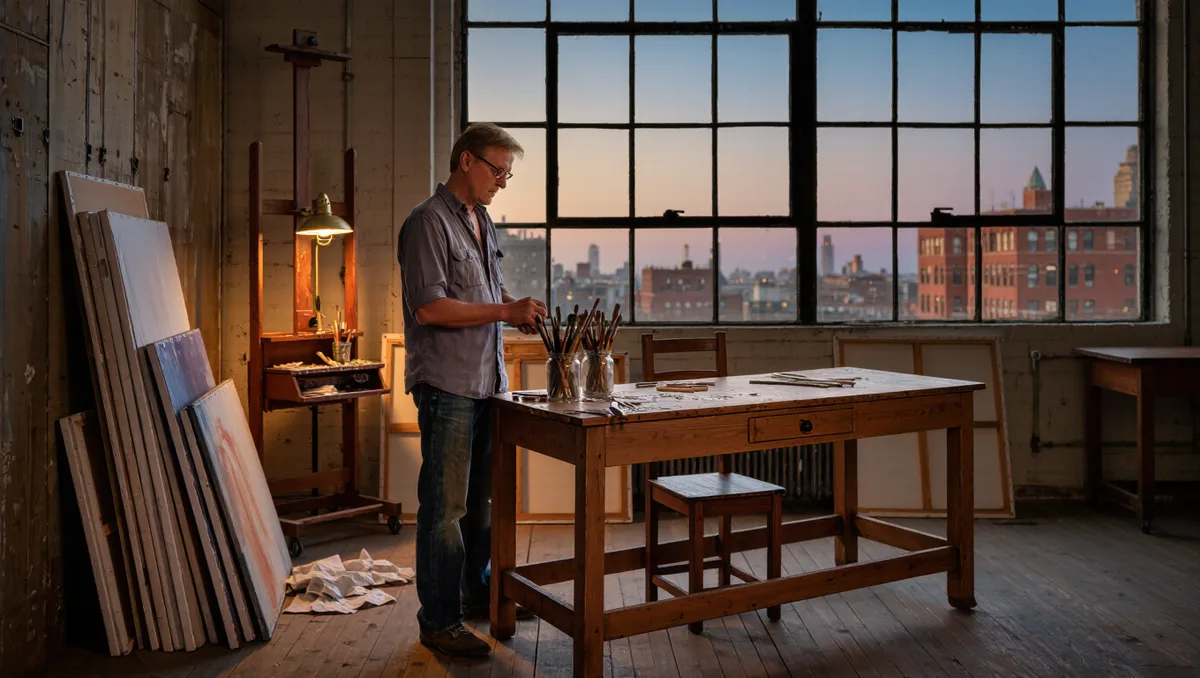
A finished painting hides most of what went into it. The studio does not. Walk into a working artist's space and the process is laid out in three dimensions: the dried brushes, the failed canvases stacked against a wall, the chair positioned at exactly the distance from which the work gets judged. The room is a record of decisions, and reading it is a skill any visitor can pick up.
This matters in New York more than most cities, because the city runs on chances to see artists before the work is finished. Open-studio events, residency showcases and gallery back rooms all offer glimpses of the workspace itself. Knowing what to look for turns a casual visit into something closer to reading a draft.
The claim is not that a studio explains everything. Plenty of great work has come out of tidy rooms and chaos alike. But habits leave evidence, and the evidence is worth the trip. Even outside the visual arts, the pattern holds: the Danish game studio Playdead built INSIDE, a puzzle platformer that critics at Polygon praised for one of the eeriest settings they had encountered in a game, and that mood was engineered in a room, by people, over years of patient work.
What does a studio actually do for the work?
A studio is first a container for time. Paint needs to dry somewhere undisturbed. Sculpture needs floor loading a living room cannot take. A musician's studio needs the sub to behave, which is why producers obsess over room shape and speaker placement before they obsess over gear. The workspace solves physical problems before it solves creative ones.
It is also a container for attention. The door closes, the phone goes in a drawer, and the outside world waits. Visitors who notice how a space is defended from interruption, the blackout curtain, the sign on the door, the schedule taped to the wall, are noticing the artist's actual working conditions, not a stylistic pose.
There is a lineage argument here too. The studio as a site of meaning goes back a long way: Jackson Pollock poured paint on the floor of a barn on Long Island because the scale demanded it, and the floor became part of the method. Anyone curious about that history can start with where to see Jackson Pollock in New York, then imagine the room that made it possible.
Clutter: mess or method?
The romantic reading says clutter equals genius. The tidy reading says a clean bench equals discipline. Both are wrong, or at least incomplete. Clutter is information, and the useful question is what kind.
Working clutter, rags, tools out, the current piece surrounded by its own debris, usually signals a project mid-flight. Archival clutter, flat files, labeled boxes, shelves of older work wrapped and dated, signals an artist who manages a career alongside the making. Dead clutter, dust on everything, canvases turned to the wall for years, can signal a stall, though it can also signal a slow project nobody else understands yet.
The honest caveat: a visitor reading a studio on a single visit is reading one day of a long process. Open-studio events compress this problem deliberately, presenting a cleaned-up version of the room. That is not dishonesty; it is hospitality. But it is worth remembering that the tidied studio and the working studio are two different documents. Our analysis: treat visible systems, how materials are stored, how works in progress are sequenced, as more reliable than surface mess.
Why does light matter so much?
Light is the one studio variable artists will fight a landlord over. A north-facing window gives steady, cool light through the day, which is why painters have historically prized it. South light shifts hard and warm, changing how a color reads from morning to evening. Neither is better, but each leaves a habit: the north-light painter tends to trust the canvas as it looks all day; the south-light painter learns to check work at specific hours.
Artificial light adds its own fingerprints. Warm bulbs flatter warm palettes. Track lighting aimed at a wall turns the wall itself into a viewing condition, and some artists arrange the whole room around that one lit plane. Photographers and video artists often go the other way, blacking out windows entirely, and a visitor who finds a cave-like room should read it as a tool, not a mood.
The practical takeaway for viewers: when a finished work looks different in a gallery than it did in a studio photo, light is usually the reason. That is not a defect. It is the work meeting a new room, and it is one reason the jump from studio to exhibition is a genuine gamble rather than a formality.
How can a visitor read a studio well?
A few habits separate an attentive studio visitor from a wandering one.
- Look at what is within arm's reach of the work surface. Those objects are in daily use, and they tell you more than anything on a shelf.
- Count the works in progress. One means focus; many can mean a production practice, or a mind that needs parallel projects.
- Ask what the room cannot do. Every studio has a constraint, no sink, no freight access, thin walls, and hearing the artist name it is often the most honest exchange of the visit.
- Notice what is on the walls that is not for sale. Reference images, other artists' postcards, a kid's drawing. That material is the room's diet.
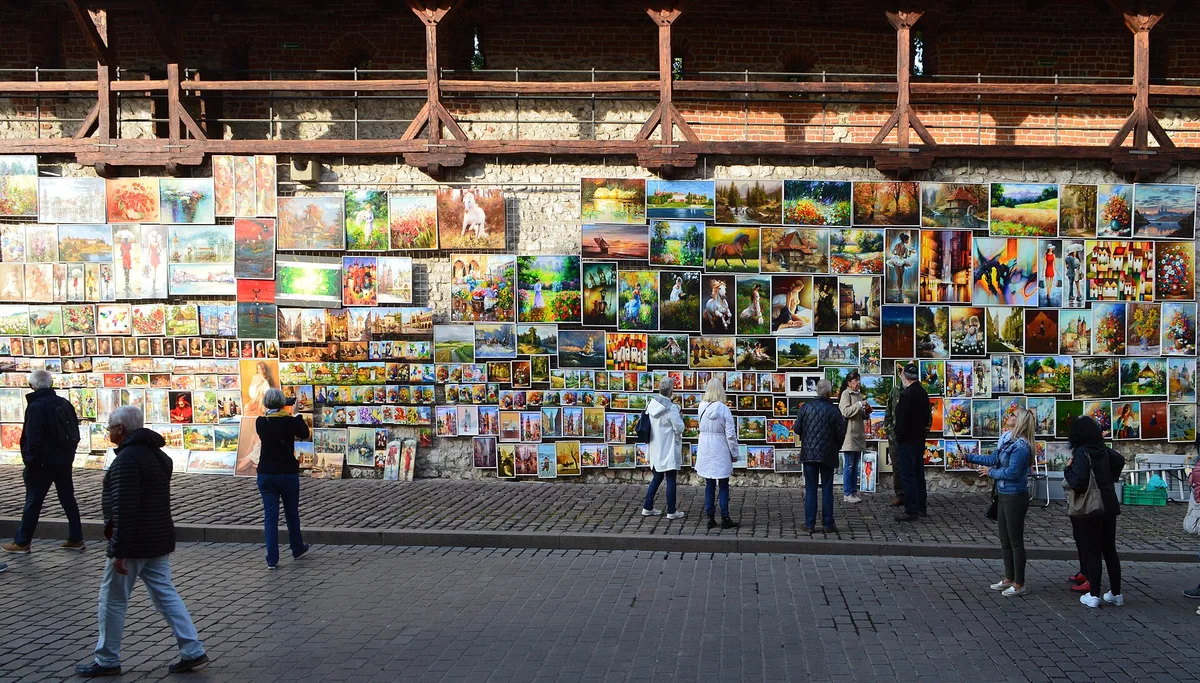
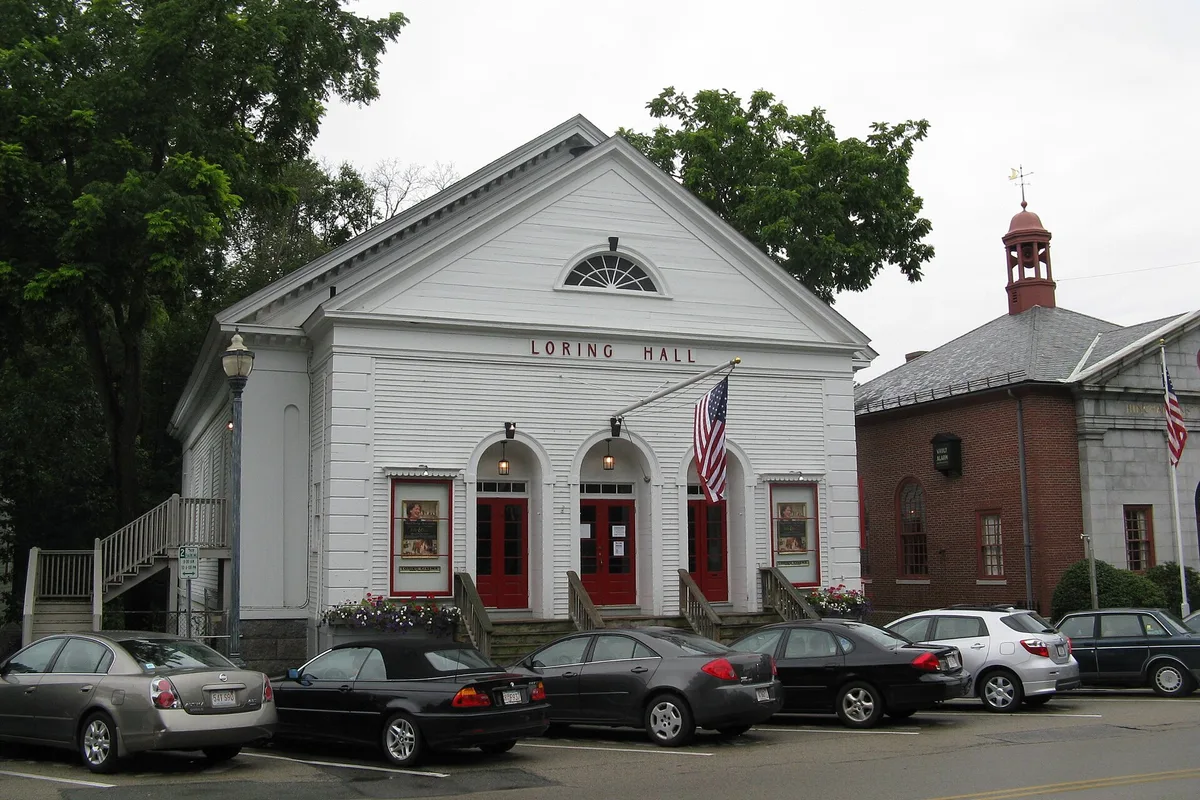
Open-studio formats make this easy to practice. For a grounded example of what these events teach, see the site's piece on the Hingham arts walk, which turns a town into a gallery. Residencies work similarly, and readers weighing a stay themselves can start with what an artist residency means in New York.
What this means for looking at art in New York
None of this requires visiting a private studio. The city's museums preserve the evidence indirectly. Mark Rothko's floating color fields make different sense once a visitor knows the dim, chapel-scaled viewing conditions he worked toward; the guide to where to see Mark Rothko in New York covers those rooms. Yayoi Kusama's mirrored environments, covered in where to see Yayoi Kusama in New York, are studio logic scaled up to architecture.
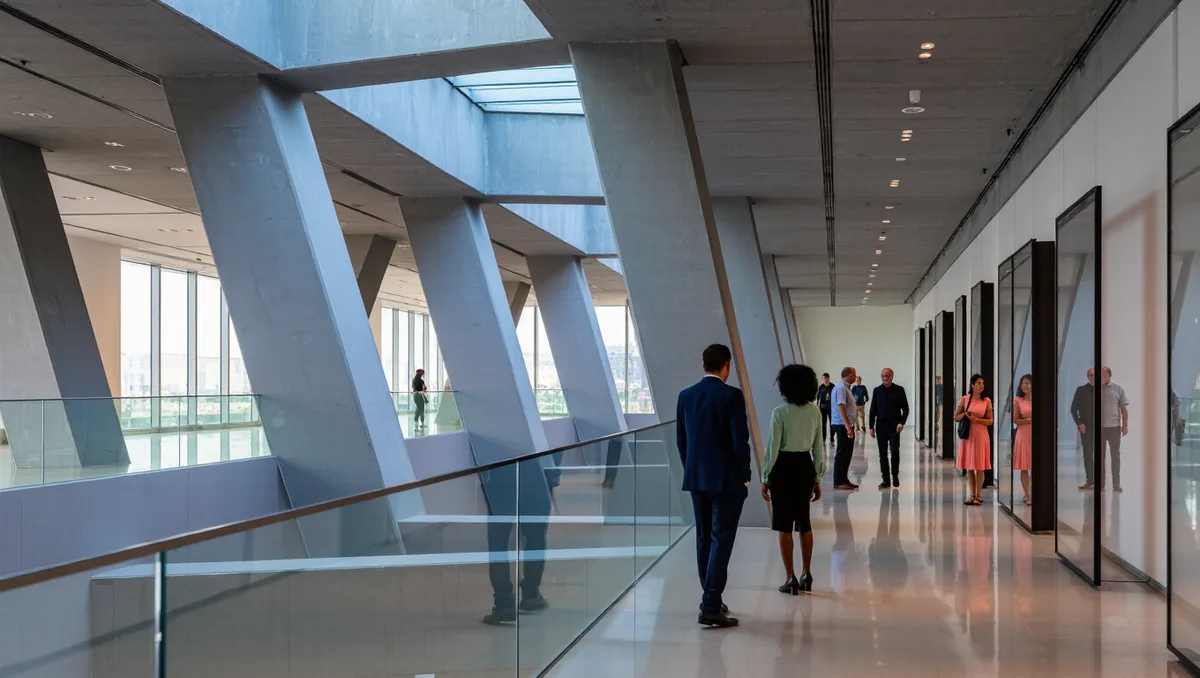
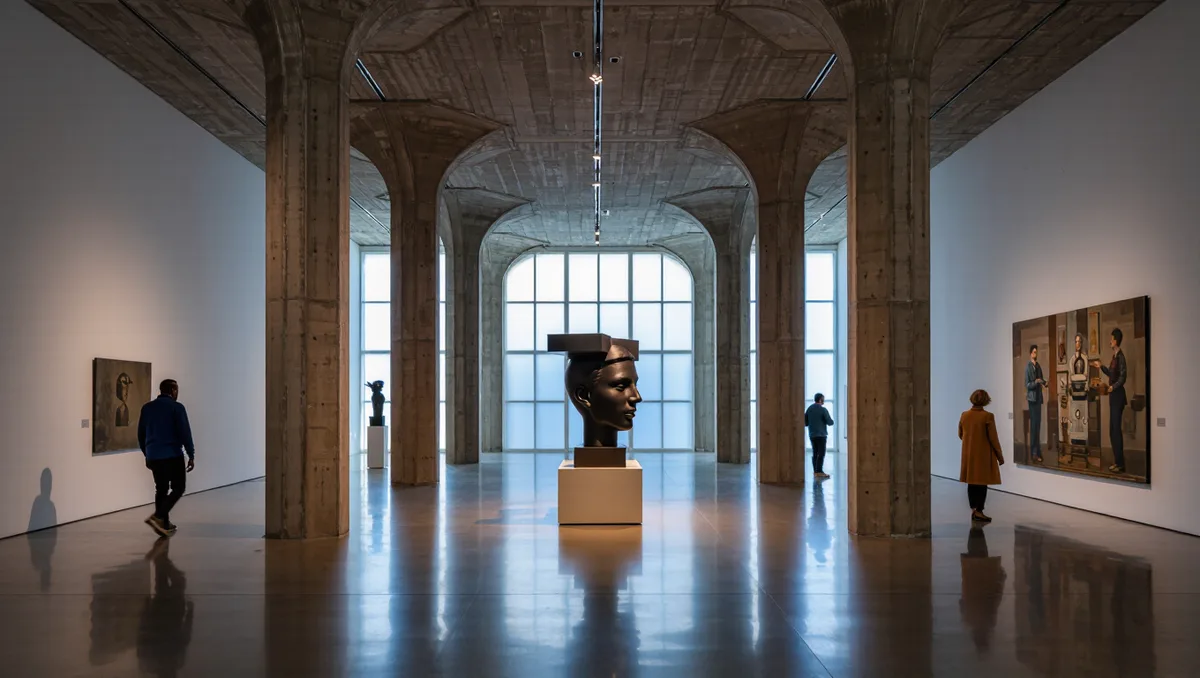
The broader lesson is modest and useful: a work of art is the survivor of a room. The studio filtered it, rejected versions of it, and lit it a particular way before anyone else saw it. Visitors who keep that in mind, at a fair booth, a gallery, or a museum wall, tend to ask better questions and see more. The evidence of the room is everywhere in the work, once a person knows to look.