The best way to follow events in Massachusetts is to stop thinking about a single calendar and start thinking about a moving one. The state's fairs, festivals, and cultural happenings shift with the seasons and with the terrain: beach towns fill first, the Connecticut River Valley takes over at harvest time, and the Berkshires carry the cultural load deep into the fall. Boston anchors it all, but the bulk of the state's event life happens well outside the city.
Geography explains most of it. As World Atlas notes in its state survey, Massachusetts packs barrier beaches, wooded uplands, a river valley of tobacco and farm fields, and a mountain summit near the New York line into a drive of under three hours — roughly 184 miles east to west and 114 miles north to south. That compression is a gift for event-goers. A different region owns each season, and a committed calendar-follower can work the whole state in a year without ever driving more than an afternoon.
The state's roughly 7.15 million residents, per the same World Atlas profile, cluster around Greater Boston, which means the biggest audiences and the biggest crowds sit in the east. The trick to enjoying events across Massachusetts is knowing when each region takes its turn — and planning around the seasons rather than any single weekend. For readers who want a city-level starting point, the publication's guide to free things to do in Boston this weekend, every weekend covers the recurring, no-admission side of the calendar; this piece maps everything beyond it.
What happens in spring, and where?
Spring belongs to the coast and the historic towns. As the weather turns, the seaports north and south of Boston shake off winter first, and their galleries, historical societies, and harbor-side venues begin their programming seasons. Plymouth, with its Pilgrim sites, and the North Shore towns around Salem and Gloucester tend to lead the way, since both trade on history and maritime culture that read best before the summer crowds arrive.
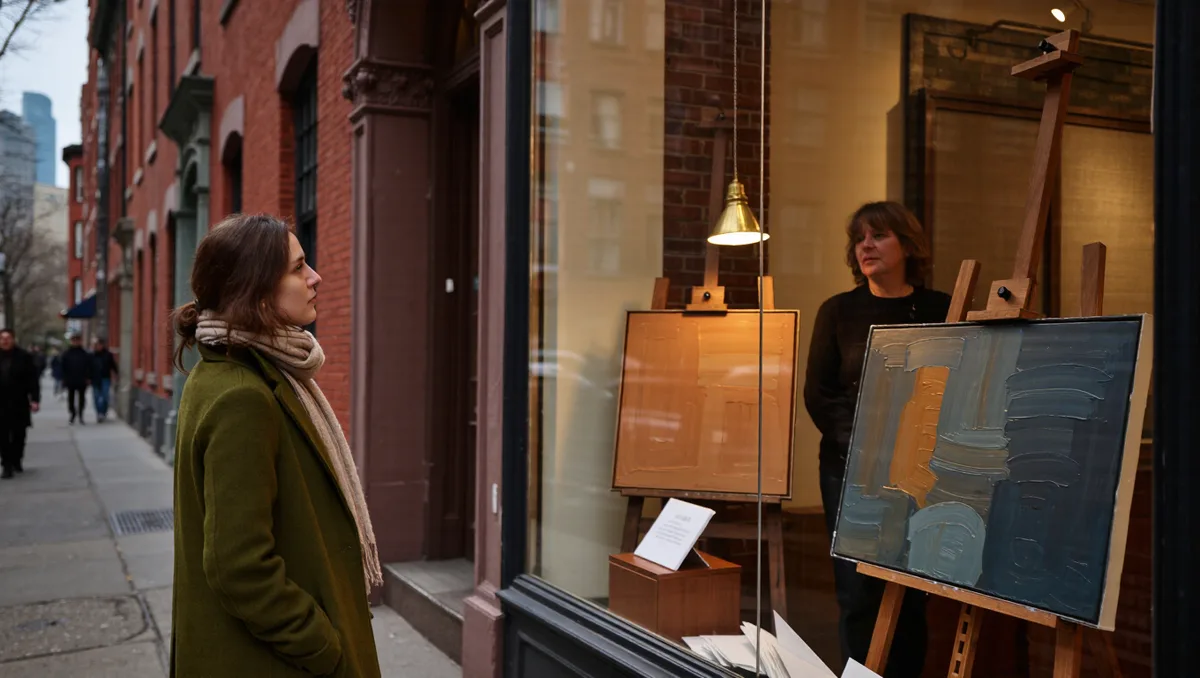
Spring is also when the college towns reassert themselves. Cambridge, home to Harvard University and MIT — institutions the state's own map materials describe as among the world's best-known — runs a steady drip of lectures, exhibitions, and open campus events through the academic spring. Admission to many university-hosted talks and panels is free or low-cost, though access rules vary by institution and event, so check each listing before assuming a seat. For readers building that skill, the guide to how to get into artist talks and panels translates directly, even though it was written for New York. We covered a connected angle in Which New York museums stay open late?.
One caution for spring planners: the shoulder season is when event schedules are least settled. Small-town festivals confirm dates later than big-city institutions do, and a fair announced for late April one year may move to May the next. Verify dates close to travel rather than months out.
Why does summer own the Cape and the islands?
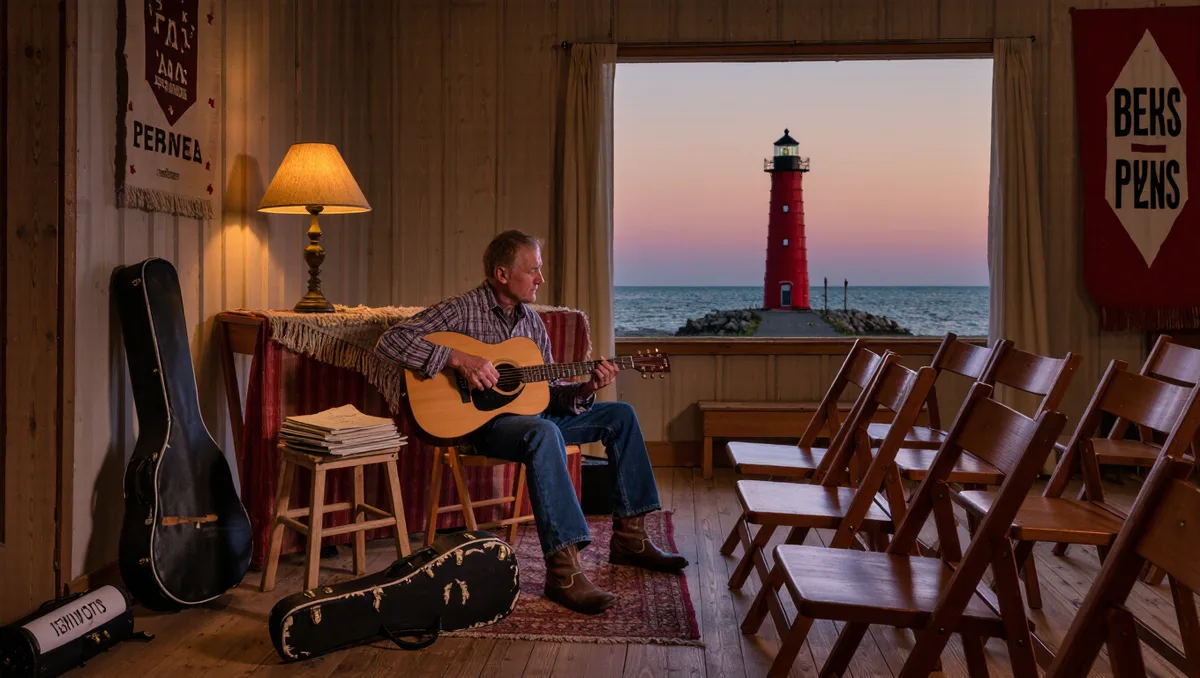
Summer is Massachusetts's heaviest event season, and it happens largely on the water. Cape Cod, Martha's Vineyard, and Nantucket — the sandy, low-lying southeastern edge of the state, where the coast turns from hard granite headlands to barrier beaches and dunes — absorb the bulk of the state's warm-weather tourism, and the event calendar follows the visitors. Towns such as Provincetown, Edgartown, Nantucket, and Chatham run weekly programming through the high season: outdoor concerts, gallery walks, harbor festivals, and film series.
The Cape's event density has a structural reason. The National Park Service's Cape Cod National Seashore, established in 1961, protects about 40 miles of the outer shore along with its dunes and kettle ponds, and that public land hosts ranger-led walks, concerts, and interpretive programs all summer. Much of it is free with park admission, which makes the outer Cape one of the more affordable places to catch a summer event in a state otherwise known for expensive resort towns.
The practical trade-off is traffic and lodging. Summer weekends on the Cape and the islands are the state's most congested and most expensive, and event-goers who can travel midweek will find the same programming with a fraction of the friction. Visitor demand, not the calendar, is the constraint.
What does fall look like in the valley and the Berkshires?
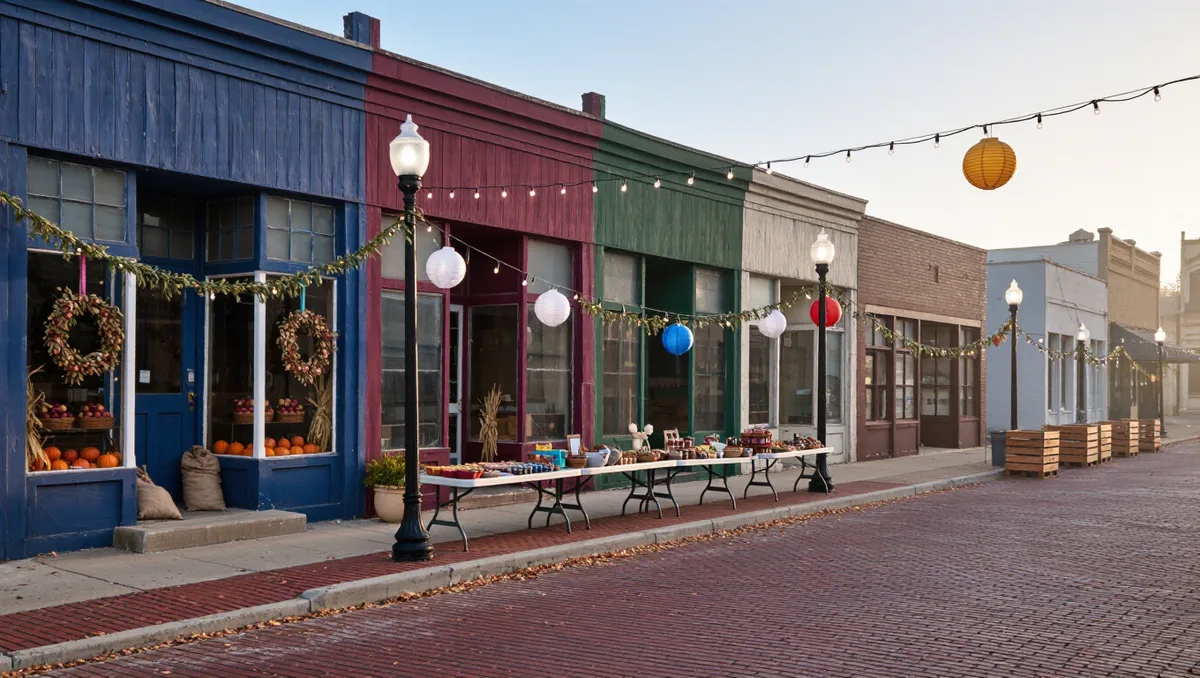
By September, the event center of gravity moves west. The Connecticut River Valley — the broad band of farm fields running through the middle of the state — hosts the harvest-season round of agricultural fairs, farm festivals, and food events, timed to the apple and squash runs. The fair tradition here is old and genuinely local: these are town and county events first, tourist attractions second, and they offer the most direct look at the state's rural working landscape that any event calendar provides.
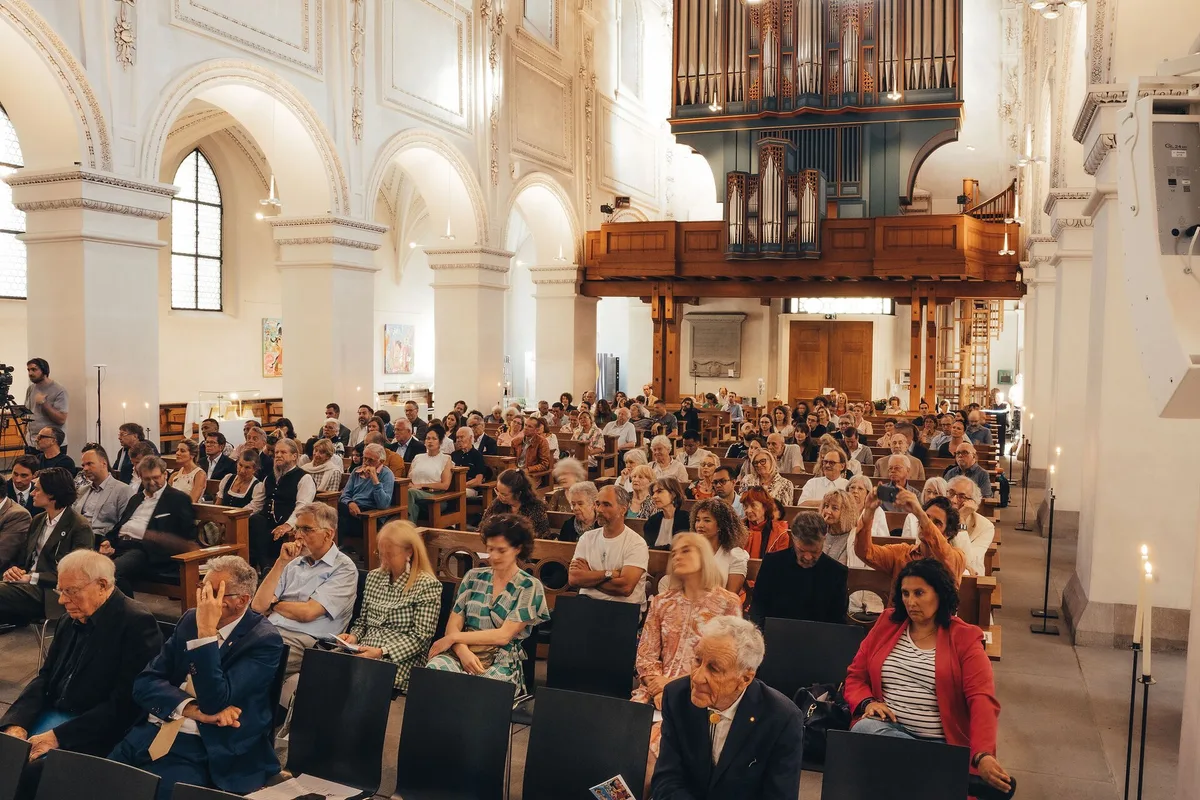
Farther west, the Berkshires take over. The hill towns along the New York border are the state's cultural counterweight to Boston, anchored by Tanglewood, the summer music venue that the state's own tourism materials single out alongside the region's scenery. The Berkshire season stretches from early summer into the fall, and its mix of music, dance, theater, and visual arts gives western Massachusetts a cultural calendar that rivals the city's — with mountain roads instead of the T. Mount Greylock, the state's high point at roughly 3,490 feet, caps the region and makes a natural pairing for a festival weekend.
Fall is also Salem's season. The town's association with the witch trials of 1692 — a history the state's reference materials describe as one of America's most infamous cases of mass hysteria — draws an enormous October audience, and the month's programming around it is the single most concentrated event draw in New England. Book lodging far ahead or plan a weekday visit.
What carries the calendar through winter?
Winter thins the calendar but does not close it. Boston and the inner suburbs keep the steadiest schedule, since museums, concert halls, and university venues run year-round regardless of weather. The city's Freedom Trail, the 2.5-mile route through downtown that the state's map materials describe as a journey back to the Revolutionary era, works in any season and pairs naturally with indoor cultural events nearby.
The second winter pillar is the holiday season in the historic towns. Old Sturbridge Village in the center of the state and the Plimoth Patuxet Museums in Plymouth both lean into seasonal programming in December, and North Shore and Cape towns run holiday strolls and lantern events that suit their 18th- and 19th-century streetscapes. Expect shorter hours and weather-dependent schedules; confirm before driving.
What this means for planning a year of events
Our analysis of the state's event geography comes down to a simple rotation. Follow the coast in summer, the valley in fall, the city and the college towns in winter and spring, and the Berkshires whenever their season is running. The state's compactness — seventh-smallest by land area, per Wikipedia's state overview — means no plan requires more than a half-day's drive, and no region's season overlaps so completely with another's that a well-timed trip misses everything.
Three habits make the calendar workable. First, verify dates and admission with the venue or organizer close to the event; nothing in this guide should be read as a fixed schedule, and hours and prices change. Second, bias toward weekdays in the summer regions and weekends in the winter ones, since that is where the supply of events and the demand of visitors are least aligned. Third, treat the recurring, low-cost programming — park-service events, gallery walks, university talks — as the backbone of a trip, with the ticketed festivals as the exception rather than the rule. Readers tracking the exhibition side of the calendar will find the publication's events section and its guides hub the fastest way to keep current.
The evidence for all of this is structural rather than statistical: the sources here establish the state's size, regions, and anchor institutions, not a verified count of its festivals. What remains unknown is any single year's exact lineup, which only organizers confirm season by season. Plan the rotation, not the list.