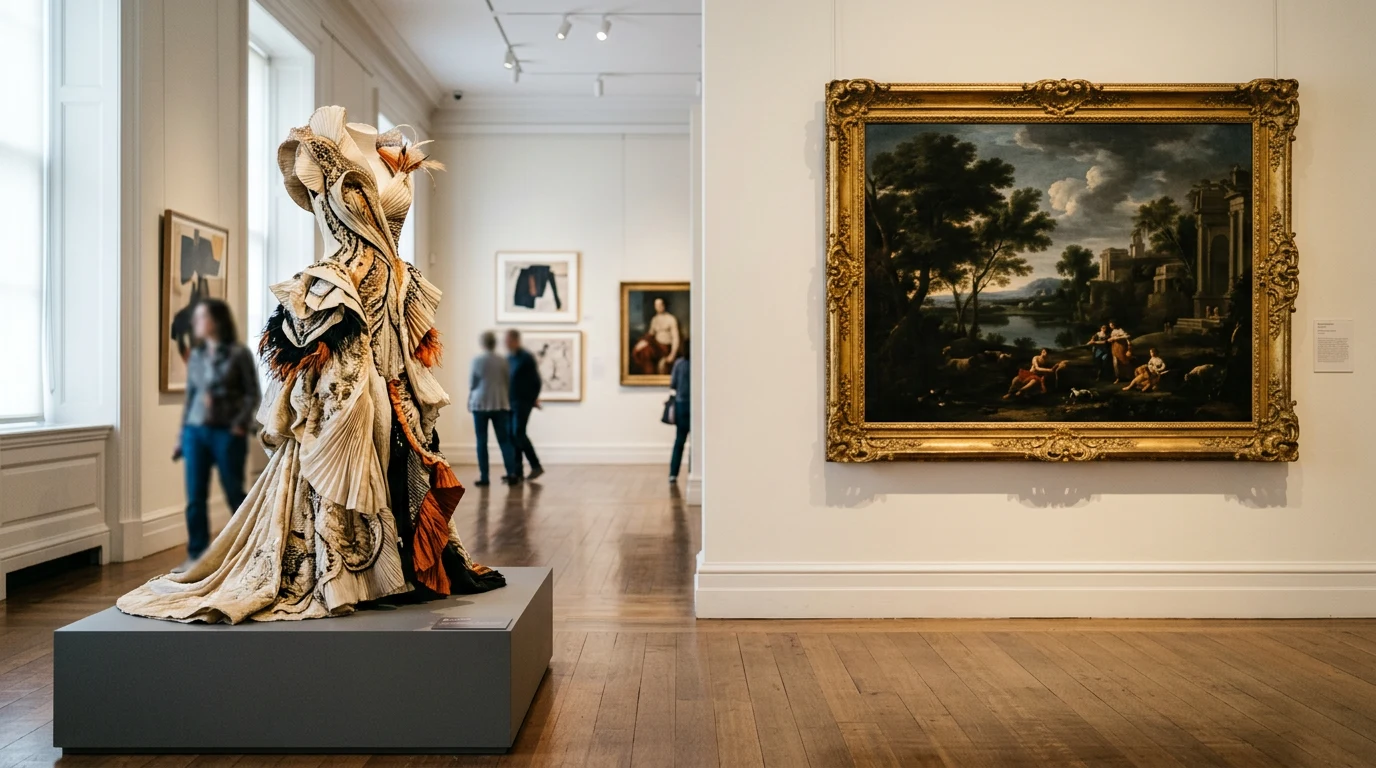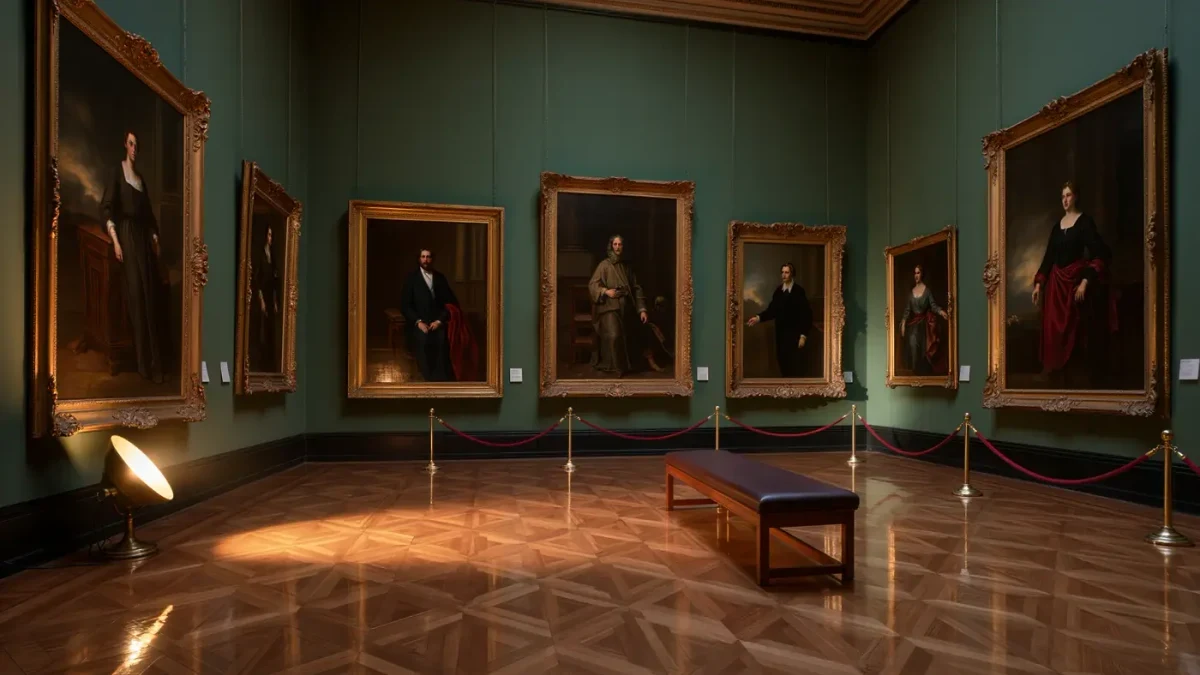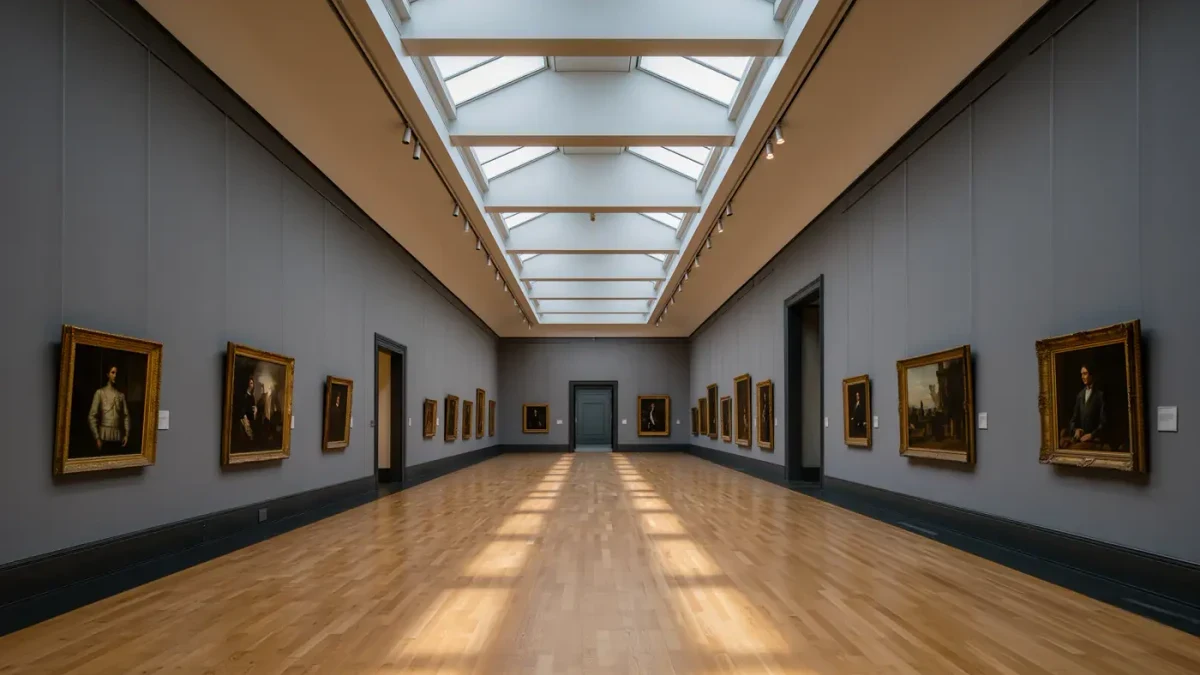
Forty-five galleries holding more than 700 European paintings reopened at the Metropolitan Museum of Art on November 20, 2023, after a five-year, $150 million skylights replacement described by the museum as the largest infrastructure project in its history. The reinstalled suite, titled Look Again: European Paintings 1300–1800, replaced the old national-school sequence with cross-currents between northern and southern Europe.
According to the museum's press release of November 15, 2023, the galleries — numbered 600 through 644, running off the Great Hall — had been closed in phases since the skylights work began in April 2018, with the full suite shuttered from late March 2023 for reinstallation. As of March 2026 the presentation remains the Met's permanent display of its European collection, and it rewards a visit that knows what changed.
Why were the galleries closed for five years?
The reason was overhead. The skylights above the European Paintings galleries were built in 1939 and remodeled in 1952, and by the 2010s they no longer protected the rooms — or the roughly 700 paintings below — from the effects of aging glass and uncontrolled daylight. The project replaced some 30,000 square feet of skylights, per the museum, improving natural illumination and climate control across the whole suite.
Work proceeded gallery by gallery between April 2018 and 2023, so visitors watched a moving wall of closures rather than a single shutdown. The final phase, from late March 2023, closed everything so that curators could rehang the collection at once — an opportunity the museum had not had since the galleries were last renovated in 2013.
The reinstallation was led by Stephan Wolohojian, the John Pope-Hennessy Curator in Charge of the Department of European Paintings. Announcing the reopening, the museum's director, Max Hollein, called the European Paintings galleries among the museum's most beloved destinations for more than 150 years. The department's own account of the collection's display history is a reminder of how recent the current arrangement is.
How does the new hang differ from earlier reinstallations?
The suite has been rebuilt around once a generation. In 1972 the museum reinstalled the European collection in forty-two galleries; in 1980 the opening of a wing for nineteenth-century European painting and sculpture relieved the older galleries of the later century's weight; and the 2013 renovation enlarged the suite to the current forty-five galleries. Each rearrangement answered its moment — more wall space, different chronology, new lighting — and the 2023 rehang follows the pattern, this time with the skylights rebuilt beneath the argument rather than merely above it.
What distinguishes Look Again from its predecessors is the amount of interpretation moved from labels into the hang itself. Where the 1972 generation organized by school and the 2013 generation by chronology within schools, the current installation stages conversations across geography — a Netherlandish portrait answering an Italian one across a doorway — so that the architecture carries a share of the curatorial case.
What changed in the rehang?
The organizing idea changed. Earlier hangs grouped paintings by national school: Italian rooms, Dutch rooms, Spanish rooms. Look Again instead advances chronologically while setting northern and southern Europe in dialogue, so a visitor meets Lorenzo Lotto's portraits near German and Netherlandish contemporaries rather than in a strictly Italian run. The museum describes the result as new narratives and juxtapositions among the works.
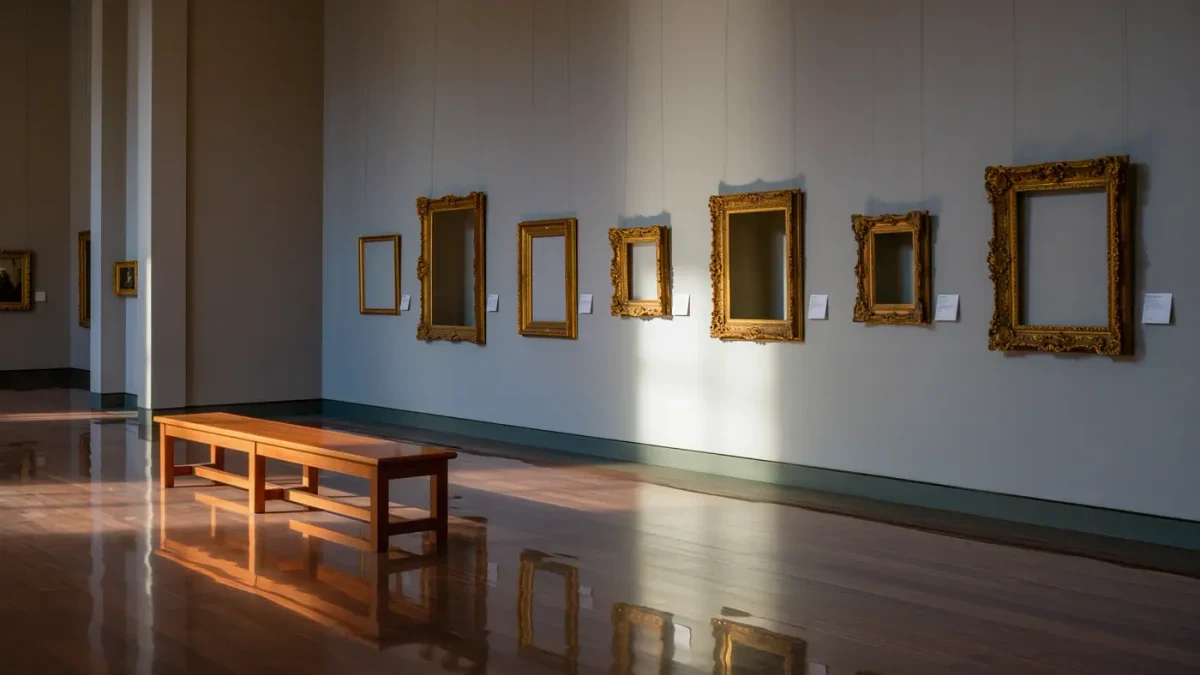
The hang also makes room for painters who were always in the collection but rarely in the story. A still life by Clara Peeters, the Antwerp specialist in banquet tables, now holds a gallery position; a 1766 portrait of Joanna de Silva by the London painter William Wood — the only surviving eighteenth-century female portrait by a London artist in the Met's collection, per the museum — hangs where the British grand-manner portraits do. Repositioned doorways open long vistas between rooms, and new wall colors segment the chronology more quietly than the old school labels.
The same loosening applies to the portrait tradition itself. Salviati's likeness of the Florentine banker Bindo Altoviti, which the museum singles out among the reinstallation's fresh juxtapositions, now sits where its mannered elegance can be measured against plainer northern faces rather than inside an all-Italian sequence. Small repositionings of this kind, multiplied across forty-five rooms, are what make the suite legible as one argument rather than forty-five separate ones.
One insertion looks farther afield still. In the gallery devoted to the artist's studio, the Met placed Kerry James Marshall's Untitled (Studio) (2014), a contemporary painting of a contemporary studio, as a promised gift of Alisa and Isaac Drucker — a deliberate hinge between the collection's oldest theme and the present.
Which paintings anchor the new hang?
The gateway gallery does what its name suggests: it orients the visit with three paintings by Giambattista Tiepolo before the chronology begins. From there, the strengths the museum itself flags are the El Greco holdings, described as among the finest outside Europe, and the seventeenth-century Dutch collection, the largest in North America — Rembrandt, Vermeer and Hals territory.
The reinstallation also followed conservation. According to the museum, treatment of Rembrandt's Aristotle with a Bust of Homer (1653) included the removal of varnish and overpaint, with the yellowed synthetic varnishes from the 1930s through the 1950s cleared in 2023. Similar attention went to Poussin's The Abduction of the Sabine Women and Giotto's The Adoration of the Magi. Several of these paintings read differently now than they have in decades — the surface color is cooler, the drawing firmer.
A longer lineage sits underneath the whole suite: the Met's 1871 founding purchase of 174 European paintings, from which a number of the collection's early strengths grew. Paintings acquired in that purchase carry a credit line reading, simply, "Purchase, 1871" — a detail worth watching for on the labels.
How should a visitor route the galleries?
- Start at the gateway. The Tiepolo room opens the sequence; from there the chronology runs from about 1300 toward 1800.
- Follow the cross-currents. Rather than turning left for Italy or right for the Low Countries, let the doorways lead; the axes are the argument.
- Give the Dutch rooms their hour. The largest seventeenth-century Dutch holdings in North America are dense with well-known works, and they crowd at midday.
- End on the studio gallery. The Marshall painting places the collection's themes in the present tense before the exit.
Visitors with a single morning might walk the suite one way and return through the galleries skipped; the arrangement rewards a second pass more than a single determined march. The museum itself frames the presentation as an invitation to look again — the title is not only a slogan but a routing instruction. Crowds concentrate on weekend afternoons; the late openings on Fridays and Saturdays, when the museum remains open until 9 p.m., are the simplest way to see the Rembrandt and Vermeer rooms at something closer to gallery pace.
What are the practical details?
Venue: The Metropolitan Museum of Art, 1000 Fifth Avenue at 82nd Street, New York — galleries 600–644, off the Great Hall. Dates: on view as the permanent collection installation; no closing date announced. Admission: $30 adults, $22 seniors, $17 students, free for children 12 and under; New York State residents and New York, New Jersey and Connecticut students pay what they wish, per the museum's visit page. The museum is open until 9 p.m. on Fridays and Saturdays. All hours and prices are subject to change; check the museum's current listings before visiting.