Artist talks in New York are, most often, free events held in museum theaters, gallery back rooms and auditoriums, and the barrier to entry is not price but timing: seats are limited, RSVP windows open about two to four weeks ahead, and popular conversations fill within days. Museums announce talks on their calendars and email lists, galleries announce them on the occasion of an exhibition, and the majority ask for nothing more than a reservation made in time. The talk format rewards preparation more than connections.
For visitors who want to hear living artists discuss their own work, New York offers a denser schedule than any other American city, from single-artist conversations tied to exhibitions to multi-speaker panels during fair weeks. The practical route is below.
Where are talks and panels announced?
Institutional calendars come first. Museums list artist conversations under their events or calendar sections, galleries post them alongside exhibition pages, and nonprofit art spaces and university art departments maintain public lecture series that rarely advertise beyond their own sites. Email lists remain the strongest tool, since members and subscribers frequently receive announcements a day or two before general release. Weekly art listings roundups aggregate the larger events but miss the smaller gallery conversations, which are often the most direct. The calendar has a rhythm of its own: talks cluster in the September-to-November stretch and again through spring, when exhibition openings are densest, and thin out over the summer, when series go on hiatus. Member presales at museums frequently open a day or two before general booking, which is one of the quieter arguments for membership.
Do you need a ticket or an RSVP?
Usually an RSVP, occasionally a paid ticket. Gallery talks are nearly always free, with reservation links circulated by email or held at the door. Museum talks divide into three patterns: free with museum admission, free with a separate reservation, or separately ticketed at a modest fixed price, with member discounts common. Panels mounted during fair weeks are typically included in fair admission, which makes them one of the better arguments for a day ticket. When an event lists a waitlist, joining it is worthwhile — releases of unclaimed seats shortly before start time are routine.
What actually happens at a talk?
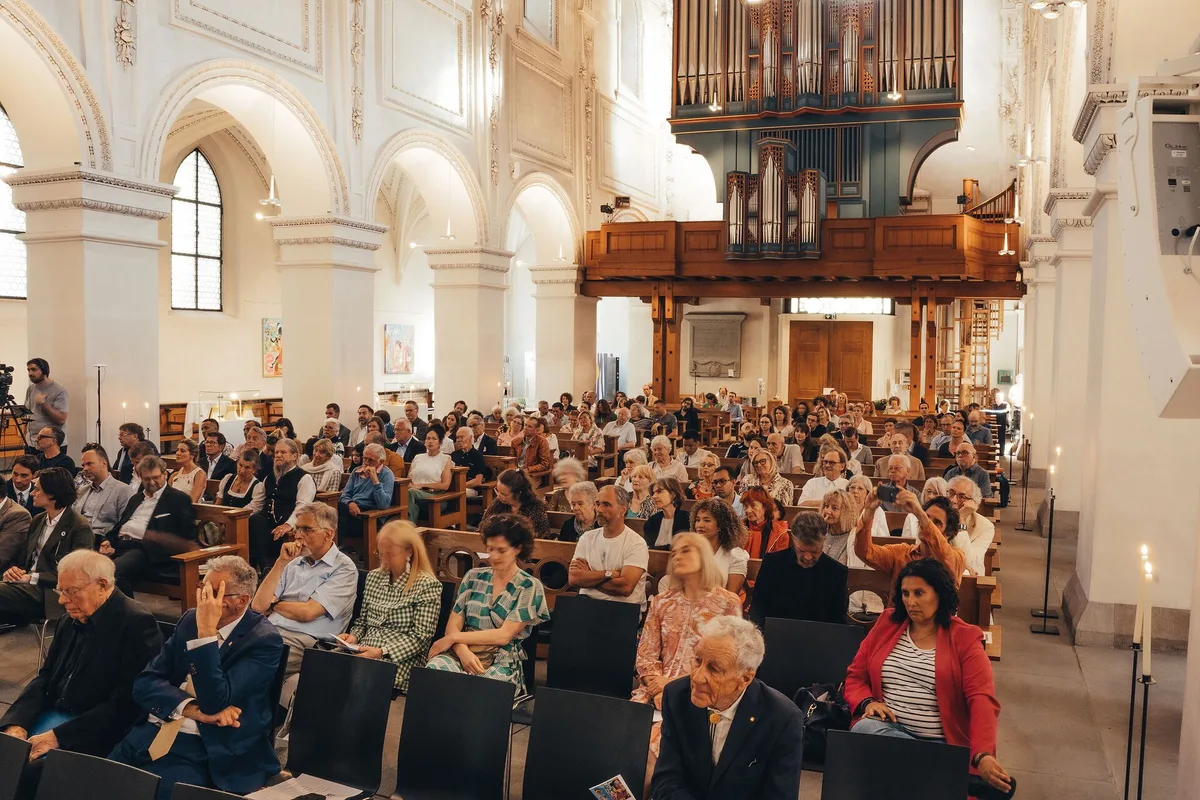
The standard format is a 45- to 60-minute moderated conversation — a curator, critic or scholar asking the artist questions in front of an audience — followed by 15 to 20 minutes of questions from the floor, and sometimes a brief reception afterward. Panel discussions follow the same shape with three to five speakers. Recordings are increasingly posted afterward on institution websites and podcasts, which is worth knowing before racing across town for a sold-out marquee name: the conversation generally survives on audio.
When should you arrive?
Fifteen to twenty minutes early for a general-admission museum theater, earlier for a small gallery, where seating may mean a few rows of folding chairs and standing room at the back. Doors typically close a few minutes after the start, and latecomers are seated at the break if at all. For recorded conversations in studio or theater settings, arriving on time is a courtesy to the crew as much as the speakers.
How do you ask a good question?
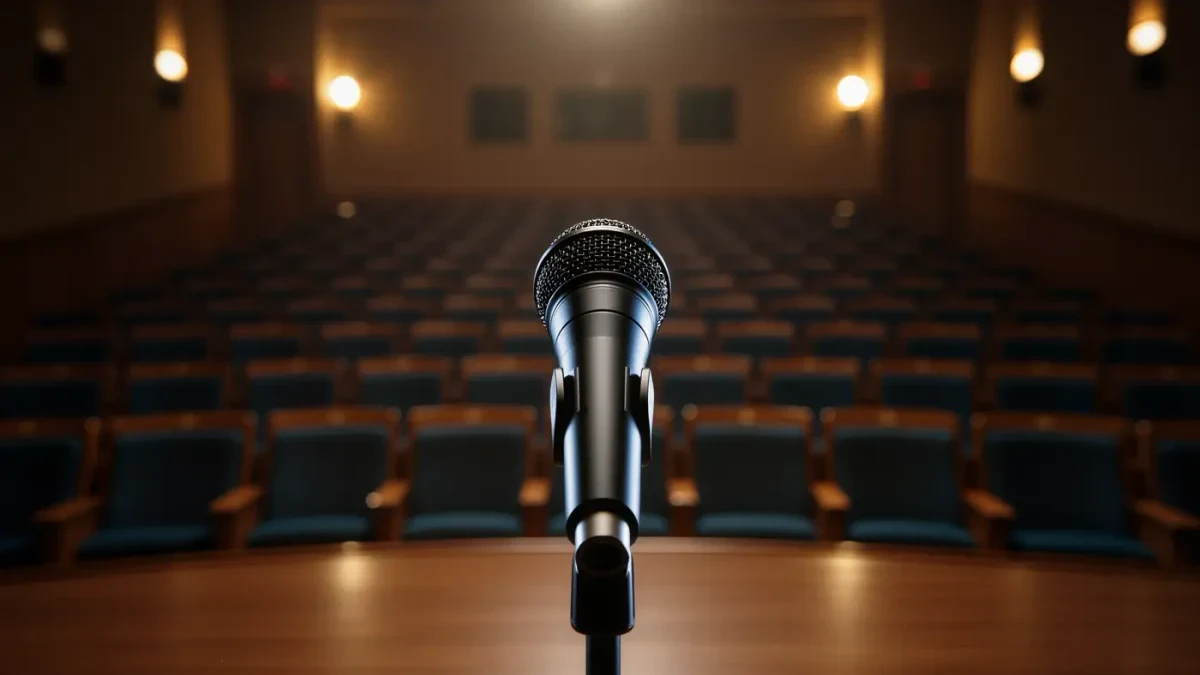
Briefly, and about the work. The convention at New York talks is one short question rather than a comment, addressed to a specific speaker if the panel has several. Question microphones are monitored by staff, who enforce time. Audience members who want a longer exchange with an artist generally wait for the reception, when the formal program is over and the speaker decides how long to stay.
- Admission. Mostly free with RSVP; museum talks occasionally ticketed; fair panels included with fair admission.
- Timing. Announcements typically two to four weeks ahead; waitlists move.
- Format. 45-60 minutes of moderated conversation plus audience questions. Individual events vary and are subject to change.