Gallery openings in New York are free, open to anyone and concentrated in the early evening, most often between 6 and 8 p.m. The invitation email is a courtesy, not a ticket: the reception exists to put the dealer, the artist and the collecting public in one room on the exhibition's first night, and casual visitors are welcome to join. No other corner of the city's art world is this easy to walk into.
A vernissage — the term survives in museum contexts, while commercial galleries say opening or preview — is also the cheapest possible introduction to how the New York art market presents itself. The mechanics below hold across Chelsea, Tribeca and the Lower East Side as of the 2025-26 season.
Who can go to a gallery opening?
Nearly everyone. Commercial galleries in New York do not charge admission at any point during an exhibition, and openings are no exception: the public run of a show simply begins with a crowded evening rather than a quiet morning. An RSVP link helps a gallery estimate how many bottles to open, but walk-ins are normal and nobody checks names at the door. The exceptions — dinners that follow the reception, or performances with limited capacity — are marked as invitation-only and mean it.
When do openings happen?
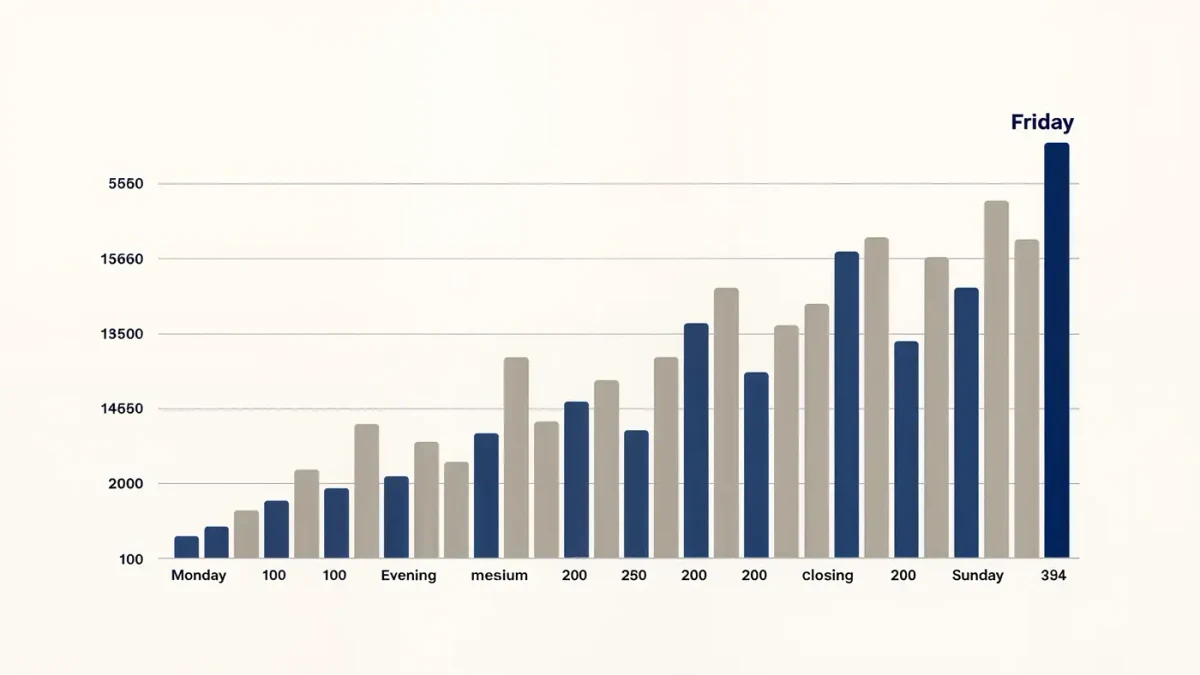
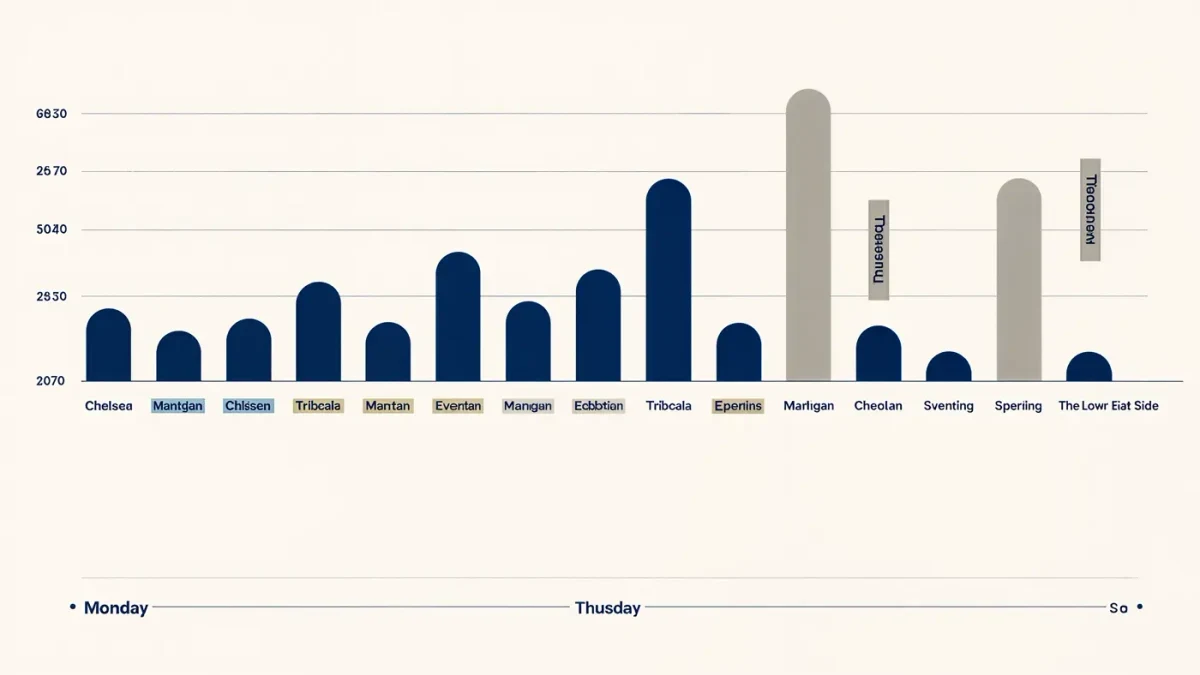
Openings run in the early evening, usually 6 to 8 p.m., and each district has drifted toward its own nights. Chelsea and Tribeca galleries, which keep weekday hours from late morning to late afternoon, most often open exhibitions on Thursday evenings, which is why a single Thursday can cover half a dozen shows within walking distance. Lower East Side spaces, many of them open Wednesday through Sunday, lean toward Friday and Saturday evenings and weekend afternoons. The pattern is a rule of thumb rather than a schedule: galleries shift nights to avoid direct collisions, and the calendar is densest from September through November and again from January through March.
What actually happens at an opening?
Formally, very little, and that is the design. There is no seated program and no speeches as a rule: the artist is generally present, the dealer and staff work the room, and everyone else looks at the work, drinks what is poured and talks. Wine or beer from a back table and plastic cups are standard. Works are labeled on the wall, and a price list or available-works list sits at the front desk for the asking. Sales do happen on opening night, quietly and away from the crowd, which is one reason dealers want collectors in the room early.
What is the etiquette?
The rules are few and mostly protective of the art. Do not touch the work, including with a bag or a coat slung over a shoulder; check large bags if asked; ask before photographing, since some lenders restrict reproduction; and direct questions about availability to the desk rather than to the artist, who is there to talk about the work, not to quote prices. Arriving in the first hour means the densest crowd and the best odds of meeting the artist; the last half hour is calmer and better for actually seeing the paintings. Dress runs from casual to unstudiously formal, and nothing stricter is expected.
How do you find out about openings?
Galleries announce openings on their websites and email lists, and signing up for a dozen lists in one district is the most reliable method. Weekly exhibition roundups in the local press aggregate openings by neighborhood, and printed or online gallery maps of Chelsea, Tribeca and the Lower East Side make a two-hour circuit easy to plan. Following a handful of galleries on social media covers the spaces that post late additions — pop-up exhibitions and performance nights are often announced only days ahead.
- Admission. Free; no ticket required.
- Typical hours. 6 to 8 p.m., with district schedules varying; individual galleries shift nights.
- Season. Densest from September to November and January to March. All details are subject to change; check the gallery before going.