Performance art in New York concentrates in three kinds of rooms: The Kitchen, the Chelsea institution that has run experimental performance since 1971; the Marie-Josée and Henry Kravis Studio at the Museum of Modern Art, the purpose-built live-art space inside a collection museum; and the Performa biennial, which floods venues across the city with commissioned performances every other November. Tickets for all three are modest, and the work rewards the same attention a gallery does — with the difference that it disappears when it ends.
Performance is the most ephemeral thing on the city's art calendar, which makes the institutions that commission and archive it the reliable entry points. The three below anchor the form; around them sits a wider circuit of nonprofit spaces and museum series that program live work year-round.
Where does performance live year-round?
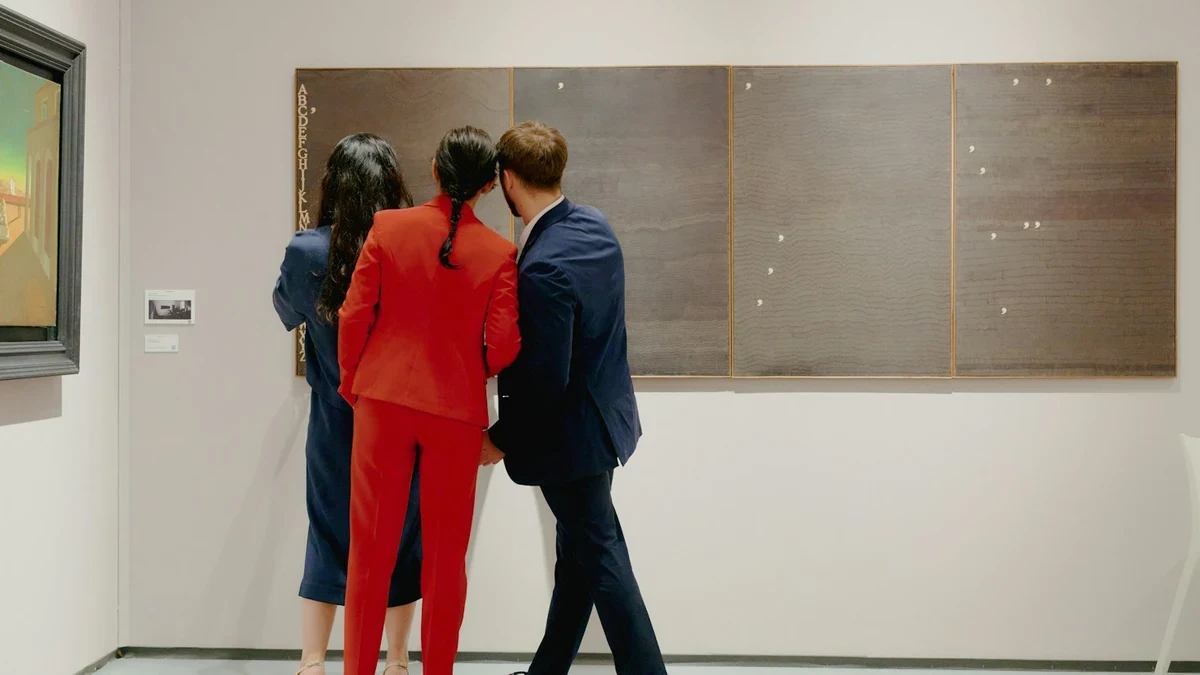
Two addresses cover most of it. The Kitchen, at 512 West 19th Street in Chelsea, is one of New York's oldest nonprofit experimental spaces: founded in 1971 by the video pioneers Steina and Woody Vasulka in the former kitchen of the Mercer Arts Center in Greenwich Village, incorporated as a nonprofit in 1973, it now programs dance, music, performance, theater, video and film, per its website — a calendar of short runs by emerging and established artists, at ticket prices well below commercial theater. The Museum of Modern Art, meanwhile, presents live work in the Kravis Studio on its fourth floor, a dedicated space opened with the museum's 2019 expansion for performance, sound, dance and the moving image; its presentations, often organized as the Hyundai Card Performance Series, are included with museum admission, per the museum — performance as part of the collection visit rather than a separate ticketed event.
What is the biennial to know?
Performa, the organization founded by the art historian RoseLee Goldberg, the scholar who put the term performance art into wide critical use, mounts a citywide biennial every other autumn. The Performa Biennial 2025, which marked the organization's twentieth anniversary, ran November 1-23, 2025 across New York venues — three weeks of newly commissioned visual-art performance, per Performa's website, with artists staging works in borrowed theaters, lobbies and public spaces. The biennial is the format's big-tent moment: single tickets per commission, a printed program of dozens of events, and the rare spectacle of performance drawing fair-week-sized crowds. The next edition follows in the organization's alternating cycle, with details announced on its website.
How do you get tickets?
Directly, and early. The Kitchen sells through its own site, with runs of two to four nights that routinely sell out for known names; MoMA's Kravis Studio events appear on the museum's calendar and are covered by admission, though popular time slots thin out fast on weekends; Performa tickets go on sale by commission in the weeks before each biennial, with member presales ahead of general release. Across all three, the working rule is the same as for talks: join the mailing list, book within the first days, and treat the waitlist seriously, since returns are released the day of performance.
What should a first-timer expect?
A time commitment with no intermission convention, and a room that may seat fifty. Performance runs long by gallery standards — forty minutes to two hours is common — and short notices about content are standard practice at the box office. Late seating is rarely possible, since entering mid-work interrupts the piece; arriving twenty minutes ahead is the norm. Photography and phones are almost always prohibited, which is enforced more strictly than in painting galleries. The work itself spans disciplined durational pieces, scored music-theater and conceptual actions; reading the program note beforehand does most of what a wall label does elsewhere.
- The Kitchen. 512 West 19th Street, Chelsea; season announcements via thekitchen.org.
- MoMA. Kravis Studio, fourth floor; performances listed on the museum calendar, included with admission.
- Performa. Citywide biennial in odd-year autumns; tickets per commission, announced at performa-arts.org. All schedules subject to change.