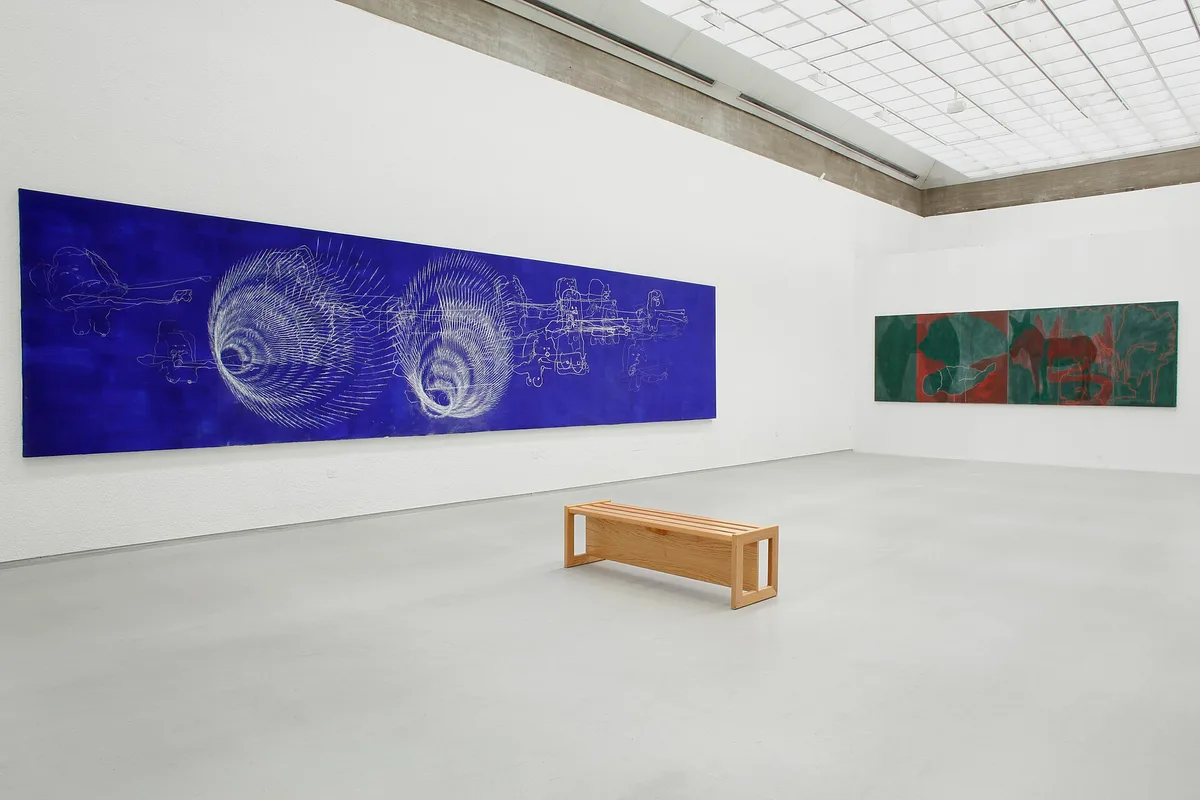
A survey of roughly fifty paintings by Amy Sherald ran at the Whitney Museum of American Art from April 9 to August 10, 2025, according to the museum's exhibition page — one artist, two decades of work, a single floor. Six months later, the Museum of Modern Art opened a retrospective of Wifredo Lam with more than 130 works spanning the 1920s through the 1970s. Same city, different labels, and the labels carry real meaning.
Those words — survey, retrospective, mid-career survey — appear on banners and ticket pages constantly. Each describes the scope of a show: how much of a career, or how wide a field, an exhibition takes on. Reading them correctly tells a visitor how complete a picture to expect.
What is a survey exhibition?
A survey takes a broad view rather than a deep one. It can belong to a single artist, in which case it samples across the career, or to a theme, a generation or a national scene, in which case it gathers many hands. The recurring example is the Whitney Biennial, which the museum describes as the longest-running survey of American contemporary art; the 2024 edition ran from March 20 to August 11, 2024.
Expect range over exhaustiveness. A survey makes an argument about significance — this artist matters, this scene deserves attention — and it will skip things. Wall text does the connecting, and the checklist is usually longer on names than on depth for any one of them.
What makes a show a retrospective?
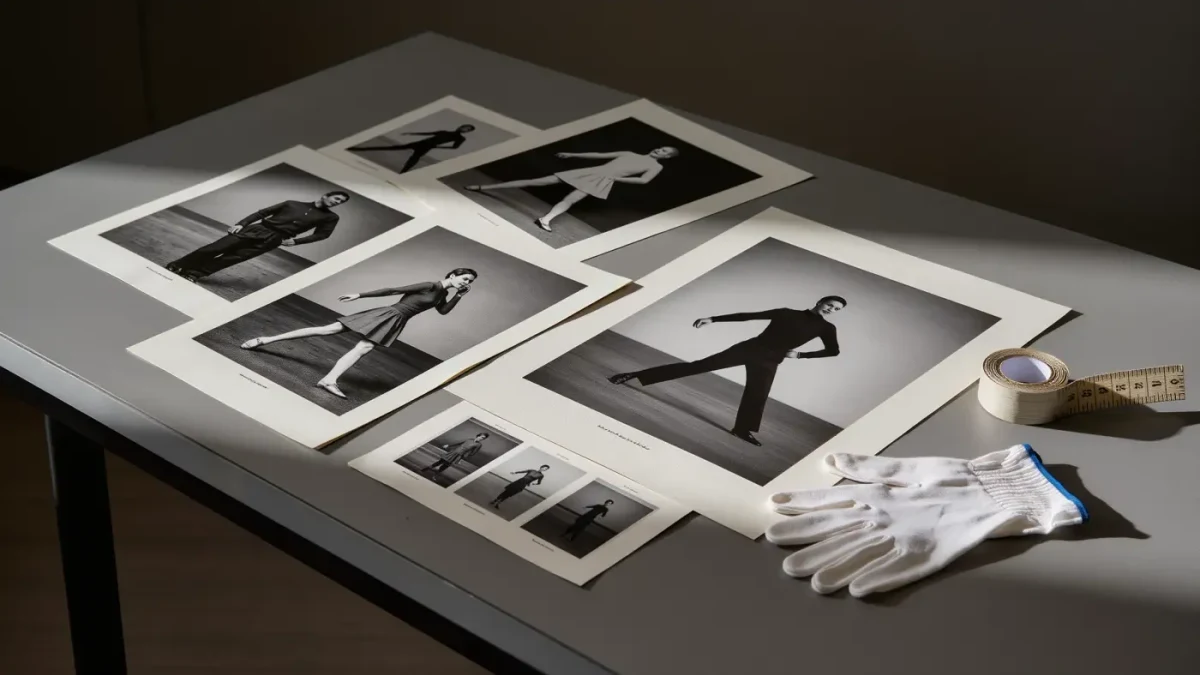
A retrospective looks back across an entire career, ideally from the earliest surviving work to the most recent, and it is usually built while the museum has full access to loans from studios, foundations and collectors. The current New York example is Wifredo Lam: When I Don't Sleep, I Dream at the Museum of Modern Art, on view from November 10, 2025 to April 11, 2026. According to the museum, it is the most extensive retrospective of the Cuban modernist mounted in the United States, with more than 130 works tracing six decades.
The term is also used posthumously with a summarizing force that surveys do not claim: this is the account of a whole body of work. Retrospectives tend to be the largest shows an institution devotes to a single artist and, because they gather rarely lent works, the ones least likely to be repeated soon.
What is a mid-career survey?
A mid-career survey is what it sounds like: a survey mounted while the artist is roughly a third of the way through a working life, long enough for a substantial record, early enough that the account remains open. Museums use it to consolidate a reputation at the point where the work has accumulated but the story is not settled.
Amy Sherald: American Sublime was this label in practice. Organized by the San Francisco Museum of Modern Art and presented at the Whitney in 2025 with roughly fifty paintings, it covered the portraits through which the artist reframed the American figure, then continued to the High Museum of Art in Atlanta in fall 2025. Mid-career surveys often tour for exactly this reason: the checklist is fresh, the loans are recent, and several museums can share the packing.
How should the label shape a visit?
- Retrospective: go expecting completeness and the biggest crowds at the famous period rooms; these are often the ticketed blockbusters.
- Survey of one artist: go expecting the argument, not the whole archive; early rooms may be thin on purpose.
- Mid-career survey: go expecting recent work in force, often the largest gathering of new paintings the artist has had to date.
- Thematic show: neither survey nor retrospective — a subject-driven selection across many artists, like the Costume Institute's menswear exhibition Superfine: Tailoring Black Style at the Metropolitan Museum of Art from May 10 to October 26, 2025.
None of the labels is a quality grade. Narrow single-gallery shows regularly outshine blockbusters. But the label predicts structure: how many artists, how many decades, and how much of the visit the museum expects a work to explain on its own.