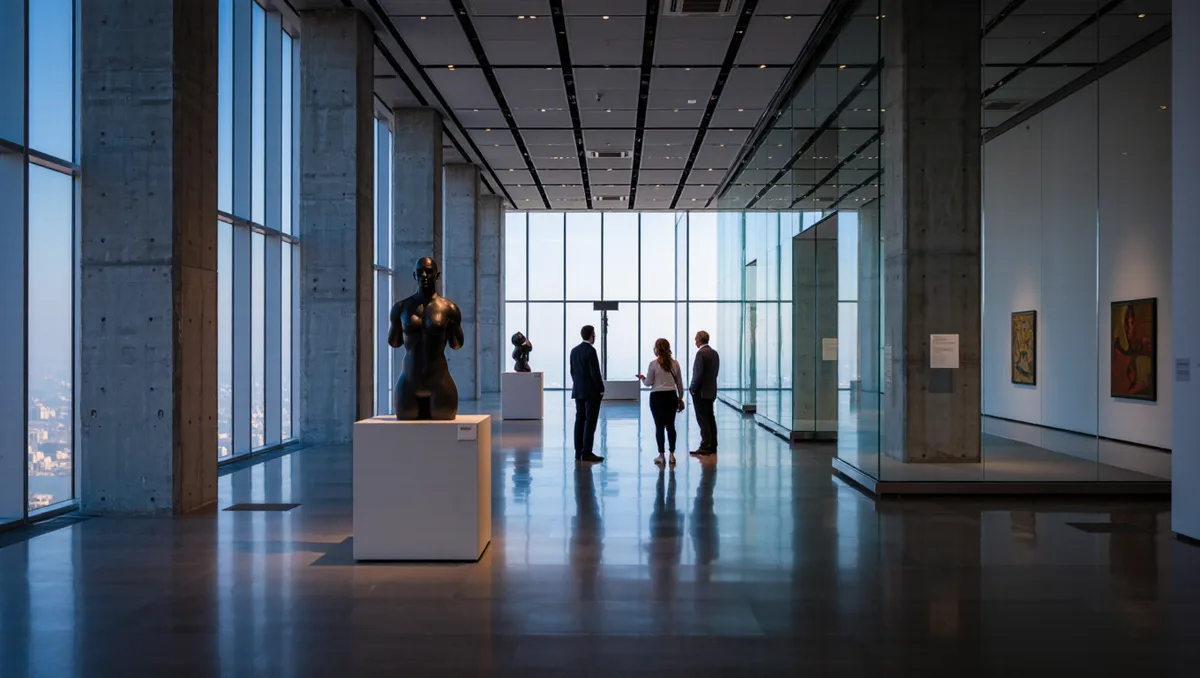
On November 10, 2025, the Museum of Modern Art opened Wifredo Lam: When I Don't Sleep, I Dream, a retrospective of more than 130 works — in November, because fall is when New York museums stage the shows they intend to be remembered by. Seven months earlier, the Metropolitan Museum of Art had opened Superfine: Tailoring Black Style on May 10, 2025 and simply let it run through the summer until October 26. Same city, two calendars, one logic.
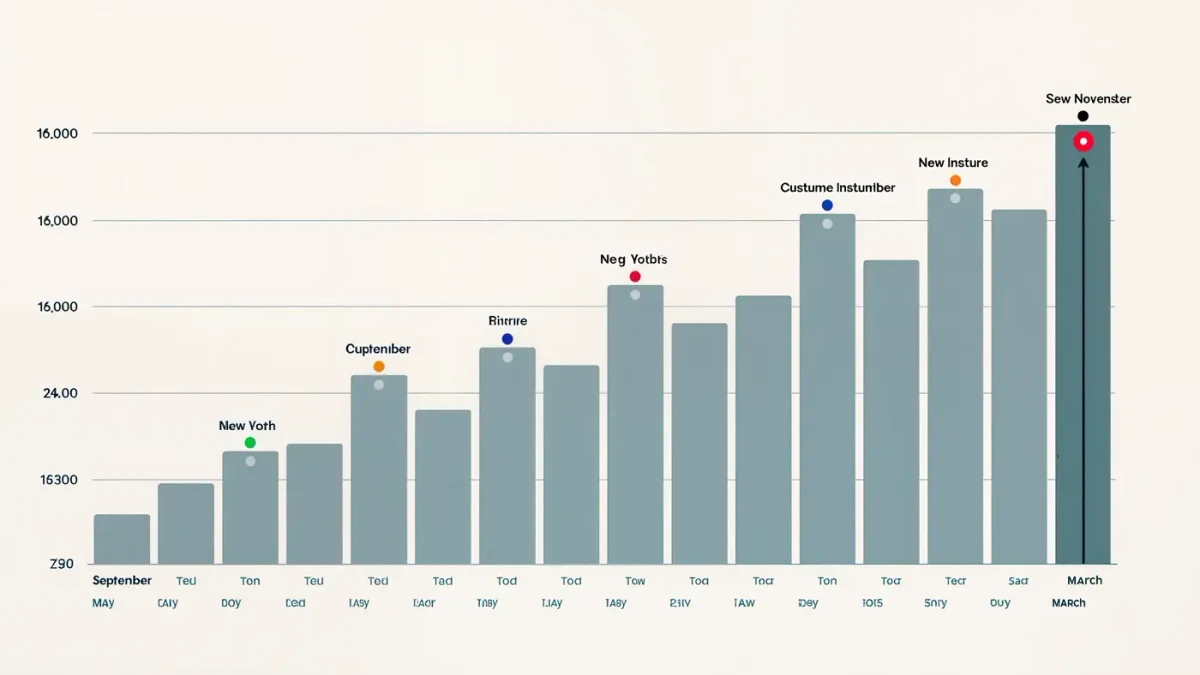
The pattern repeats every year, and knowing it tells a visitor when the new shows arrive and when the long ones are easiest to see.
Why does fall carry the blockbusters?
Because autumn concentrates the audiences that make blockbusters work. Critics are back from August, the school year restarts, members renew, and the social calendar — galas, benefits, art fairs — resumes in September. The New York Times publishes its annual fall preview in early September; the 2025 edition ran on September 2, 2025. Museums aim their heaviest openings into that attention: the Lam retrospective filled the Museum of Modern Art's sixth-floor galleries from November 10, 2025 through April 11, 2026, per the museum.
Even building openings bow to the season. The New Museum announced its OMA-designed expansion on February 27, 2025 with a fall 2025 opening target — fall being the courteous date for a debut — before the schedule slipped to the actual opening on March 21, 2026.
Why is summer lighter on openings but heavier on visitors?
Summer belongs to shows that opened months earlier. Tourism peaks, reviews are already written, and museums stretch their spring openings across the season. Superfine ran about twenty-four weeks, May 10 to October 26, 2025, catching both the summer crowds and the fall audience. Its successor at the Costume Institute, Costume Art, opened May 10, 2026 and runs to January 10, 2027 — an eight-month run built around the same seasonal arithmetic, per the Met's February 2026 announcement.
What summer lacks in openings it makes back in hours: extended evening schedules and terrace seasons run across the city's museums, and the long runs mean a July visitor sees essentially the same exhibition an April visitor saw, with shorter lines in the right week.
What happens in spring?
Spring is the shoulder season, and two institutions own it. The Whitney Museum of American Art opens its biennial early in the spring — the 2026 edition opened March 8, 2026, and its surveys habitually run through August, with this edition's floors now closing in stages between August 23 and October 12. The Whitney's mid-career survey of Amy Sherald followed the same arc in 2025, opening April 9 and closing August 10.
The Costume Institute, meanwhile, anchors every May: its exhibition opens with the Met Gala in the first week of May and runs into autumn or beyond. Spring openings, in short, are the ones designed to mature across the summer.
How should visitors use the pattern?
- September through November: go for what is new; openings cluster, and member previews fill the first weeks.
- July and August: go for what is running; the long spring shows are at their emptiest on weekday mornings.
- March through May: watch for the biennial-class openings and the Costume Institute's May launch.
- Check closing dates, not opening dates. The staggered closings of the 2026 biennial are the reminder: one exhibition can now have three last days.
Winter, the off-page of the calendar, has its own use: January and February are when the fall blockbusters are at their emptiest before spring turnover begins, and when the smaller galleries stage the shows the autumn schedule had no room for. The visitor who learns the pattern can also profit from its exceptions.
None of this is a quality judgment. Quiet January shows and August afternoons in half-empty galleries have their own advantages. The calendar simply tells the visitor what the museums are optimizing for — and when.