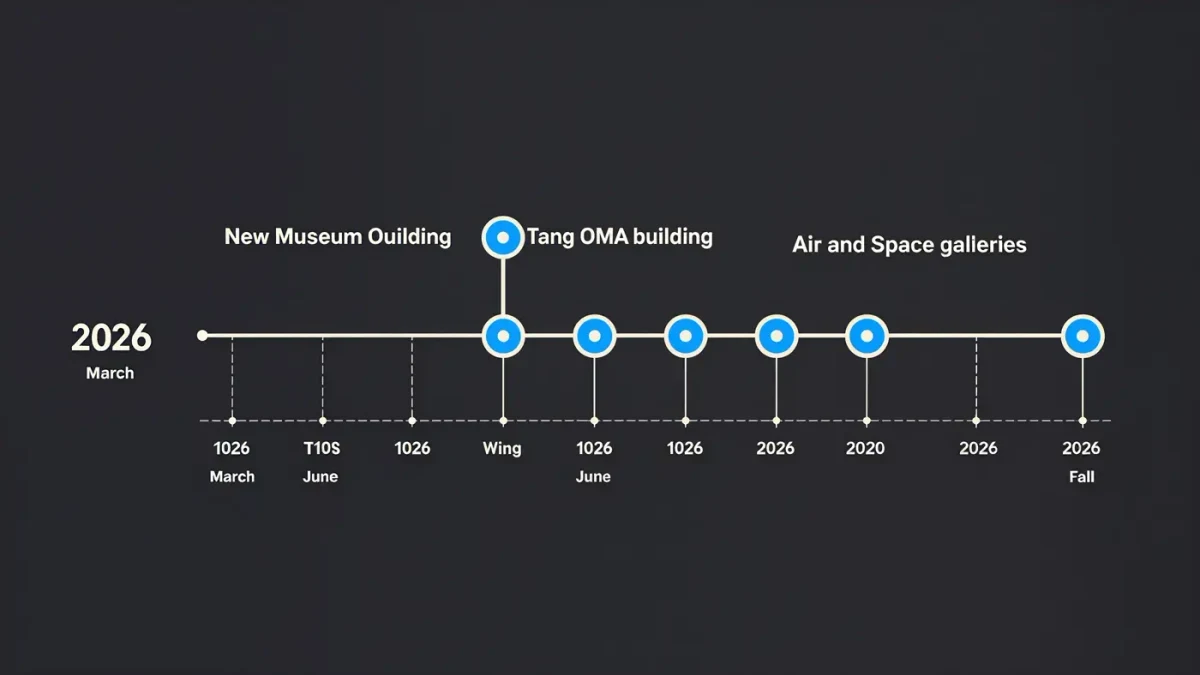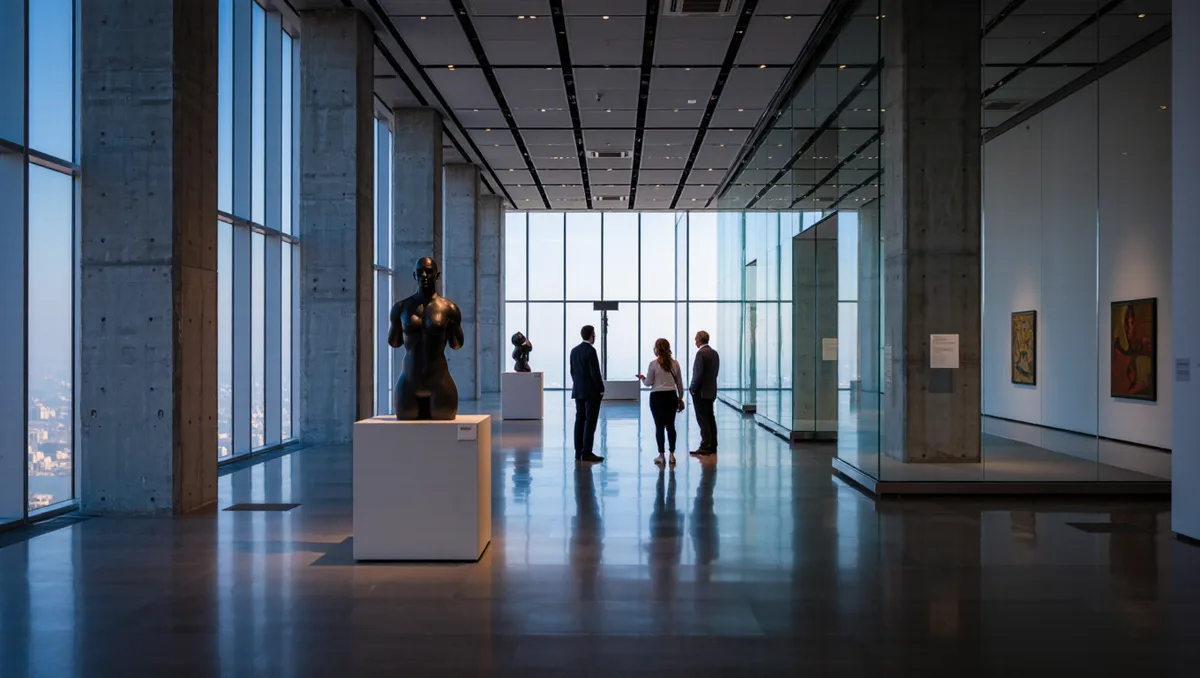
The Whitney Biennial 2026, which opened on March 8, 2026, is the Whitney Museum of American Art's summer exhibition, with work by 56 artists, duos and collectives across three floors. As of June 30, 2026, the full exhibition remains on view, but the closing schedule is staggered: the fifth floor closes August 23, the first floor September 7 and the sixth floor October 12, per the museum.
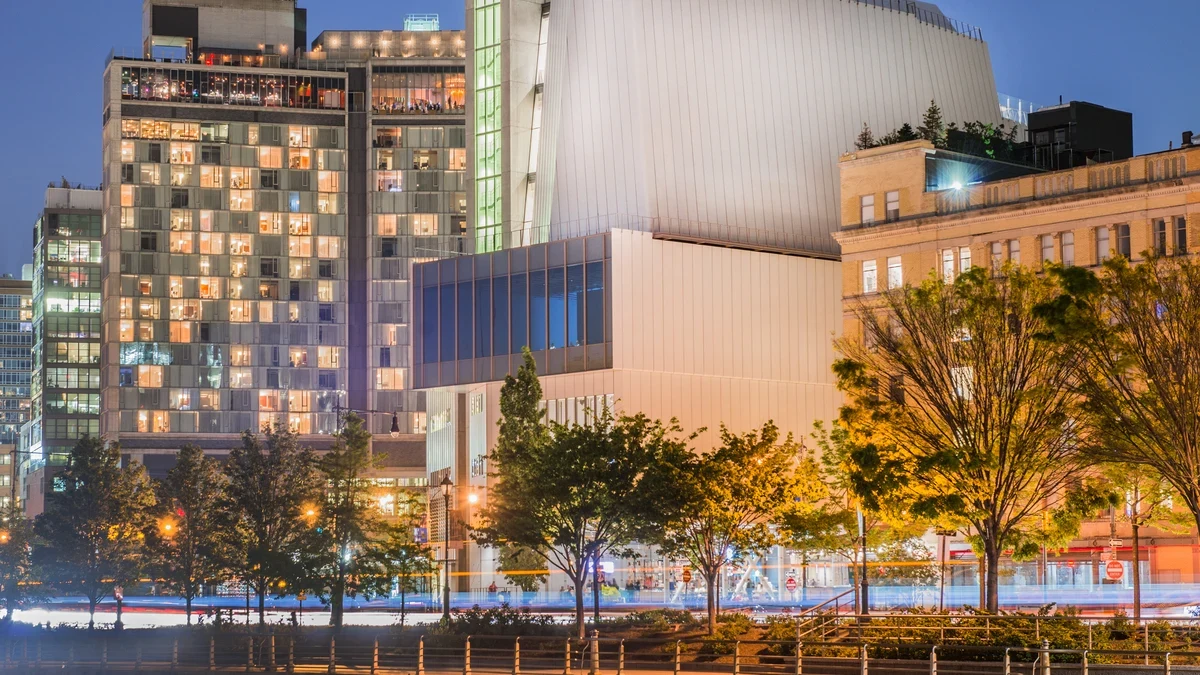
The exhibition is the eighty-second edition of the biennial, the museum's long-running survey of current American art, organized by curators Marcela Guerrero, the DeMartini Family Curator, and Drew Sawyer, the Sondra Gilman Curator of Photography, with Beatriz Cifuentes and Carina Martinez assisting. The Whitney sits at 99 Gansevoort Street in the Meatpacking District, at the southern end of the High Line.
The staggered closing dates are the practical point for summer visitors. To see the entire biennial, a visit must come before August 23; after that date the fifth floor turns over, and the show continues in two reduced parts into the fall. Exhibition tours, which the museum has run since March 14, end with the fifth floor on August 23 as well.
According to the museum, the exhibition asks what it means to name something "American" at all, and proposes "togetherness through difference" — gathering artists from regions shaped by United States power, from Afghanistan to Vietnam, around themes of interspecies kinship, geopolitics, technology and ecology. A billboard on Gansevoort Street extends the exhibition beyond the building, free and in the open.
Two further notes for the visiting public. Admission is free for visitors 25 and under, per the museum's ticketing references, which makes the biennial one of the city's most accessible large exhibitions for younger audiences. And the staggered schedule is a departure from precedent: the previous edition, in 2024, ran as a single block from March 20 to August 11, 2024. Whatever the curatorial reasoning, the effect is operational — a biennial that stays on the calendar, in diminishing form, for six weeks past its main closing date.