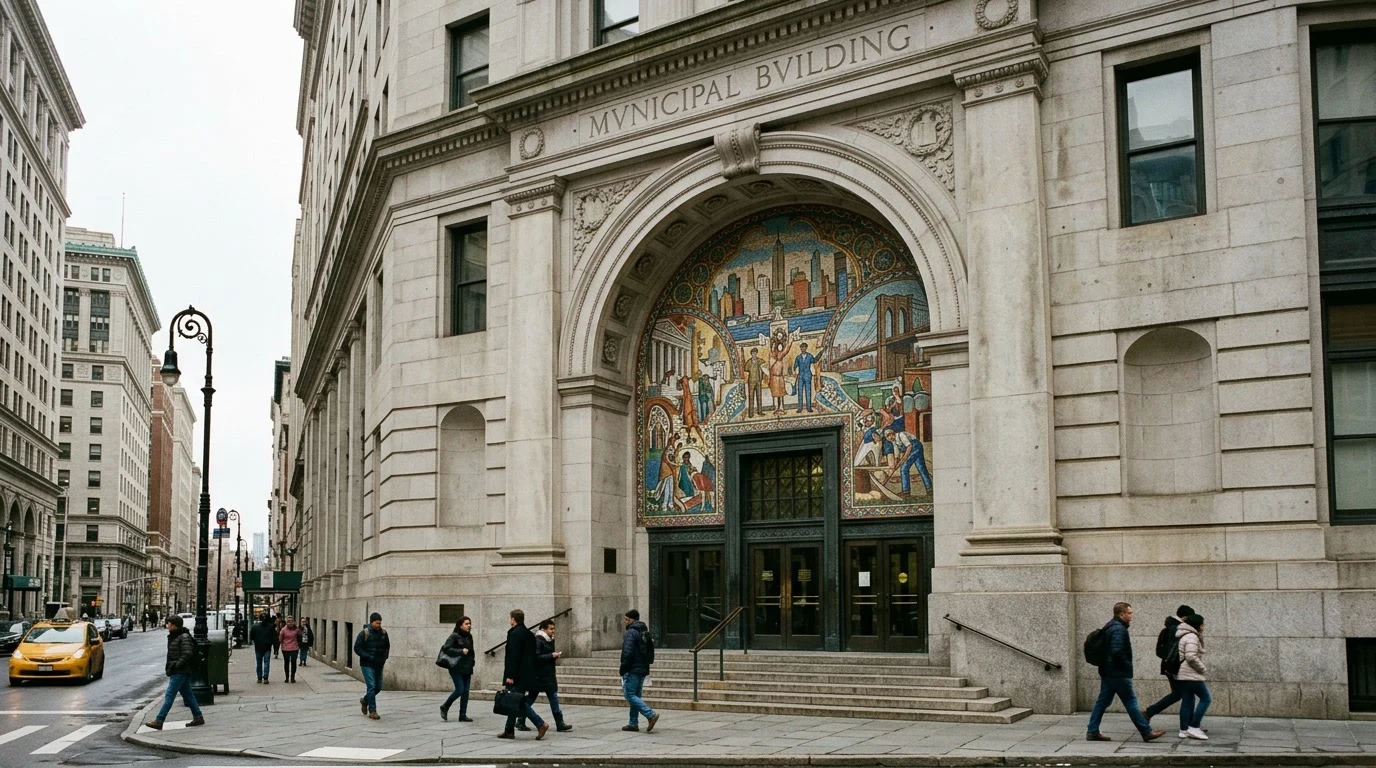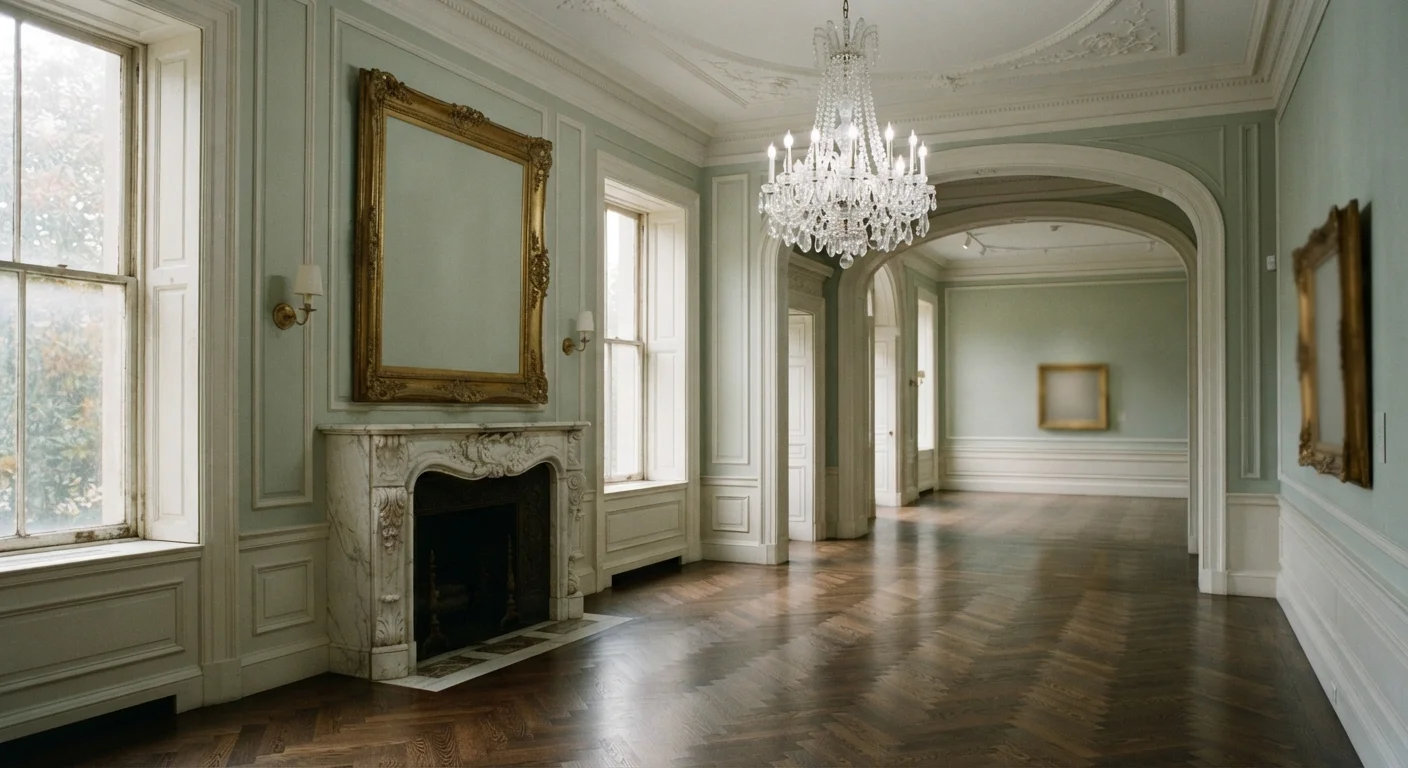
A new collector does not need to choose between art fairs, galleries and museums. Each one answers a different question. The fair shows what the market wants right now. The gallery shows how a relationship with a dealer actually works. The museum shows what lasts. The honest answer to where to start is: the museum first, the gallery second, the fair last — and the reasons are practical, not snobbish.
That order surprises people. Fairs are loud, social and feel like the center of the art world, and in many ways they are. But buying art is a slow skill, and the fair floor is the hardest classroom in it. This guide walks through what each entry point teaches, what each one costs, and how a New York newcomer might sequence them. The city happens to be a good place to learn, because its calendar offers all three within a few subway stops.
What does a museum teach a new collector?
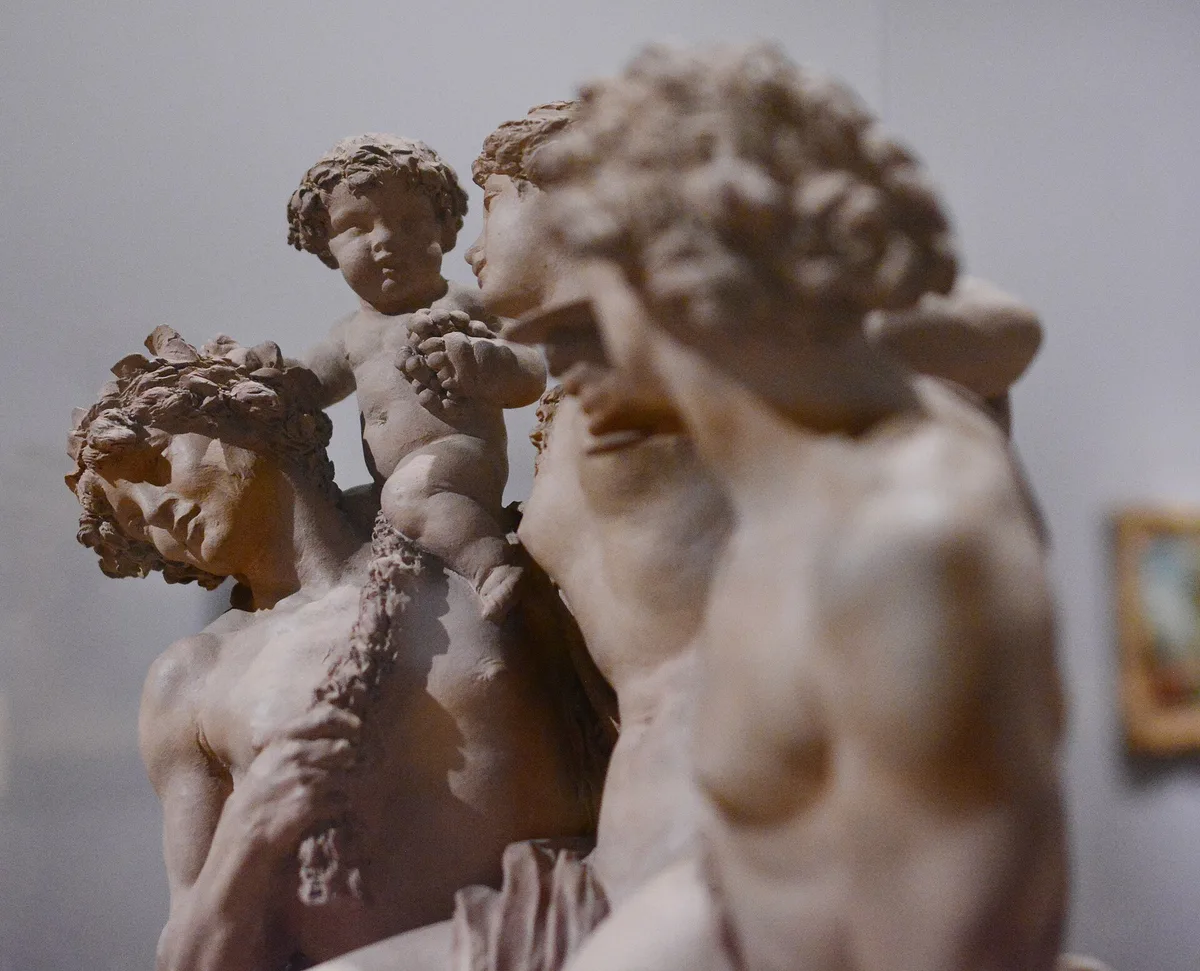
A museum teaches range. On one floor a visitor can stand in front of a painting made centuries ago and, twenty minutes later, a work made last year. That side-by-side exposure is a fast way to develop a personal eye — to notice, say, that what draws you is not a period or a famous name but a certain kind of color or scale. The Wikipedia entry on art notes that there is no generally agreed definition of what art is, and that its meaning has varied across history and cultures; a collector who absorbs that early is less likely to chase whatever the market has temporarily decided matters.
Museums also teach context without cost. Wall labels, audio guides and collection displays explain materials, movements and attribution in plain terms. And the museum shop, often dismissed as a gift stop, can be a useful low-stakes laboratory: prints, poster editions and artist books let a newcomer live with an image on a wall for a few weeks and learn whether the thrill of owning survives the second month.
The limitation is equally clear. Nothing in a museum is for sale. A visitor can love a collection for years without learning the first thing about how a purchase happens — which is why the museum should be the first classroom, never the only one.
Why galleries are where buying actually happens
The gallery is the middle step, and for most new collectors it is the most important one. A commercial gallery represents a small roster of living artists, shows their work in a space designed for looking, and sells it directly. Prices are usually available on request, and for emerging artists they are often below what comparable work might fetch at auction. Unlike a fair, nothing expires: a visitor can return three times before saying a word about money.
Galleries also teach the social grammar of collecting. Nobody needs to buy to walk in. Asking about an artist, an exhibition or a price is a normal conversation, and dealers expect it. Over months, a collector who visits regularly learns how works are allocated, why some artists have waiting lists, and how a dealer's judgment works as a filter. That filter is the real product. A good gallery says no to most of what it sees, so its yes carries information.
New York makes this step easy to practice. Neighborhoods like Tribeca and the Lower East Side pack many spaces into a few walkable blocks, and the churn is constant — coverage of how the Tribeca gallery district churns as a London dealer exits and Southern Guild arrives gives a sense of how quickly the map redraws itself. Walking a gallery district on a Saturday costs nothing and teaches more than any guidebook.
What a fair floor offers — and what it costs
An art fair condenses hundreds of galleries into one hall for a few days. For a new collector, the honest case for attending is efficiency: in an afternoon, one can compare work from galleries on three continents, see what prices actually look like across tiers, and notice which artists appear on multiple booths. Fairs are also where the market's mood is most visible. When dealers are confident, booths are deep; when they are cautious, the inventory leans toward safe names.
The costs are less obvious than the ticket. Decisions at fairs happen fast, often under social pressure, and the fair environment rewards impulse. A work that looks urgent in a hall can look merely loud in an apartment. Fair economics differ from gallery economics, so prices for the same artist may not match across the two settings. And the sheer volume — thousands of works in one building — flattens the careful looking that a gallery visit allows.
The practical use of a fair, then, is reconnaissance rather than purchase. A newcomer who has already spent months in museums and galleries arrives at a fair with questions; one who starts there arrives with only a credit card.
Our analysis: a practical order for the first year
The sequencing above is this publication's reading of how collecting skill actually forms, and it can be compressed into a simple first-year plan.
- Months one to three: museums, repeatedly. Visit the same collection more than once. Keep a note of every work that stops you, and look for the pattern in the notes.
- Months three to six: gallery districts, without buying. Walk two or three neighborhoods on weekends. Talk to dealers. Learn what asking prices look like for emerging work.
- Month six onward: one fair, as a student. Attend with a list of galleries whose programs you already know. Watch, compare, and buy only if a work would still interest you a week later.
- Throughout: follow the institutional calendar. Museum shows and free-entry programs keep the education going between purchases — Greater New York 2026 returns with 53 artists and free entry, for instance, is exactly the kind of survey that lets a newcomer see a wide slice of current practice at no cost.
Two cautions belong here. First, budget discipline matters more at the start than at any later point: the first purchase sets a collector's habits, and a work bought under pressure teaches the wrong lesson. Second, understand the fees before any auction temptation — the mechanics are explained in this site's guide to how the buyer's premium works at Christie's and Sotheby's, and the premium can add a meaningful percentage on top of the hammer price.
Where to begin in New York
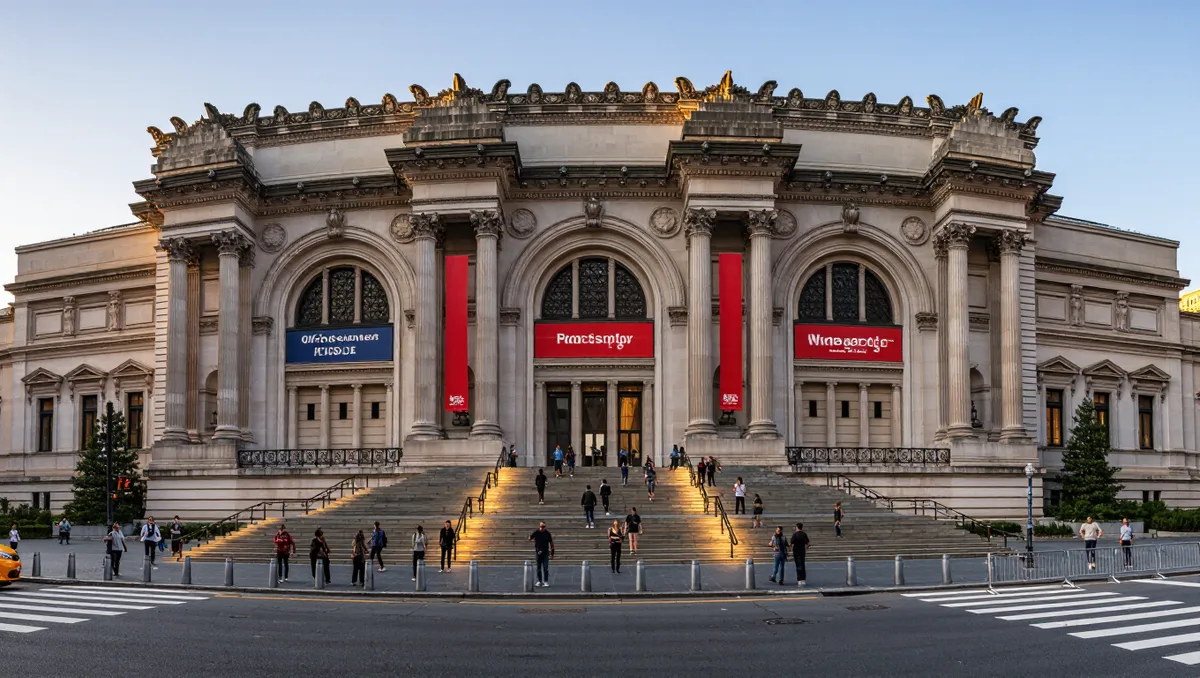
The city's advantage is that the three entry points sit within one transit system, so the sequence costs little more than time. Start with the encyclopedic collections for range, add the smaller institutions for the present tense — the MoMA PS1 free-entry anniversary year is one current example of an institution lowering the barrier — and treat fairs as periodic check-ins with the market rather than its gateway.
What the evidence establishes is a division of labor: museums teach judgment, galleries teach access, fairs teach speed. What remains unknown for any individual collector is temperament — some people genuinely thrive on the fair's energy, and for them the order can bend. The safest general rule holds anyway: learn to look slowly before learning to decide quickly.