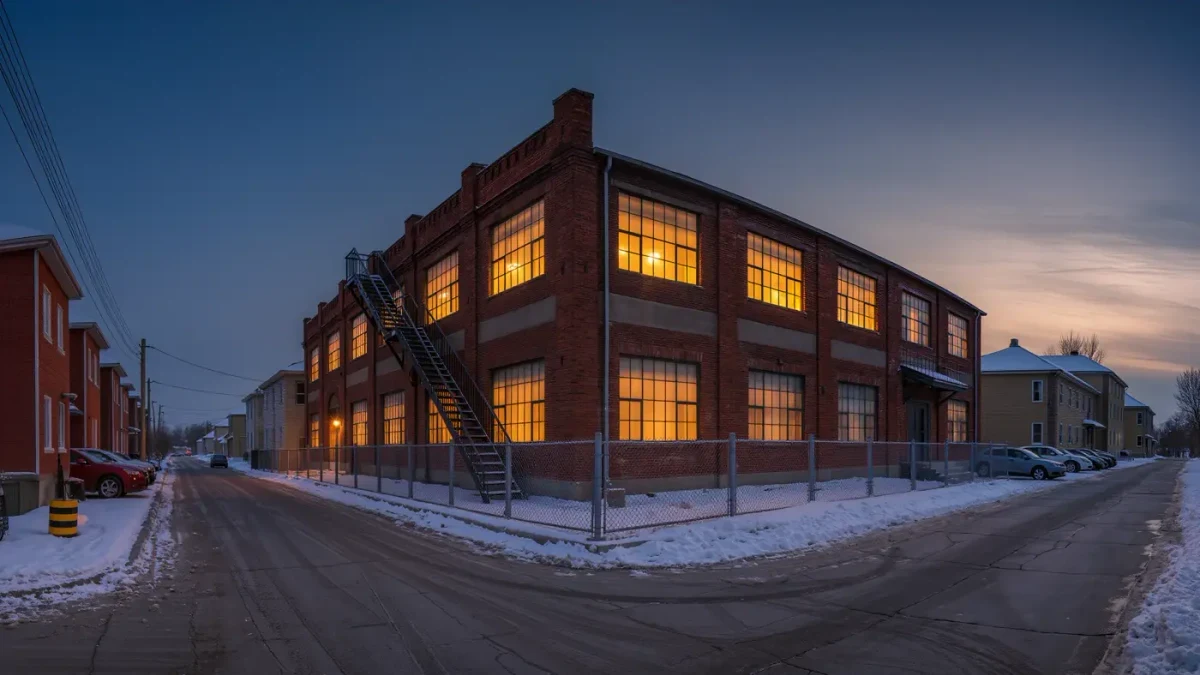
An artist residency in New York is, at minimum, a studio and time; at most, it is a stipend, housing, materials, a curatorial audience, and a final exhibition. The city's best-documented programs span the range: the Studio Museum in Harlem's artist-in-residence program marked fifty-eight years with its new building's opening on November 15, 2025; the International Studio & Curatorial Program (ISCP) has run from a Brooklyn factory since its 1994 founding; and the Lower Manhattan Cultural Council's Governors Island arts center has offered year-round residencies since 2010.
Residencies sit between art school and gallery representation—the place where work is developed rather than taught or sold. For artists arriving in New York, they are also the cheapest infrastructure in an expensive city, which is why application cycles draw far more candidates than they admit. For the public, the residency system explains a familiar pattern: the open-studio weekend, the first solo show by an unfamiliar name, the sudden appearance of a mid-career artist with a coherent new body of work usually traces to a year somewhere with a key to a building.
What does a residency actually provide?
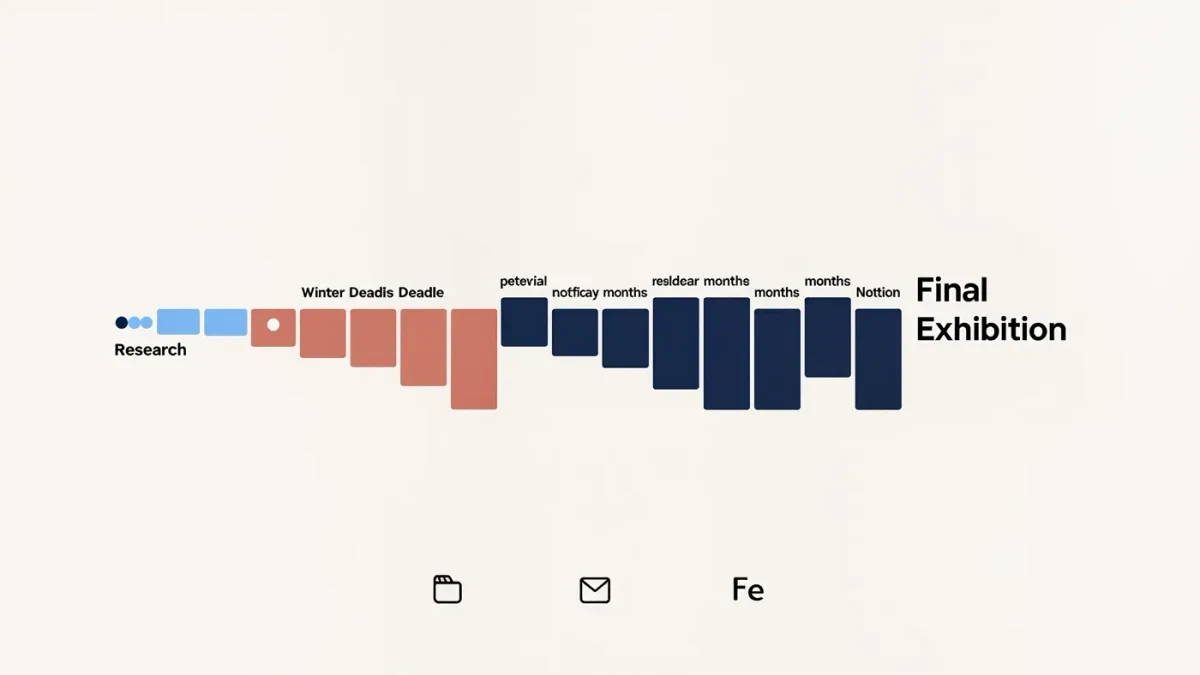
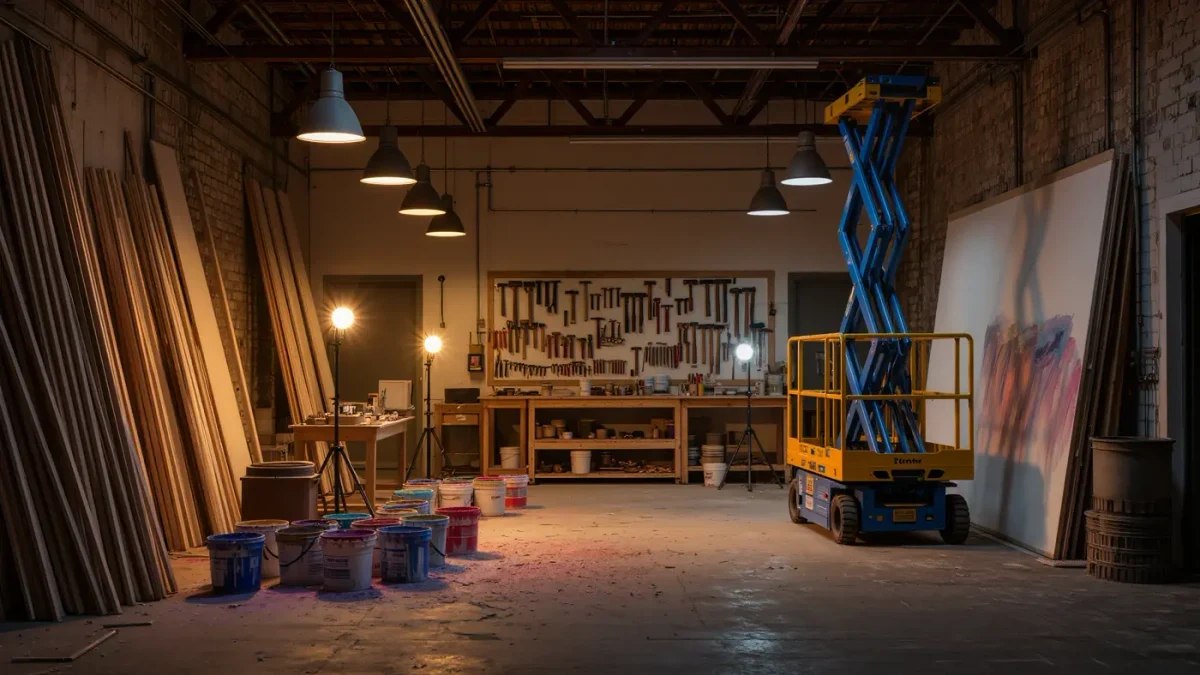
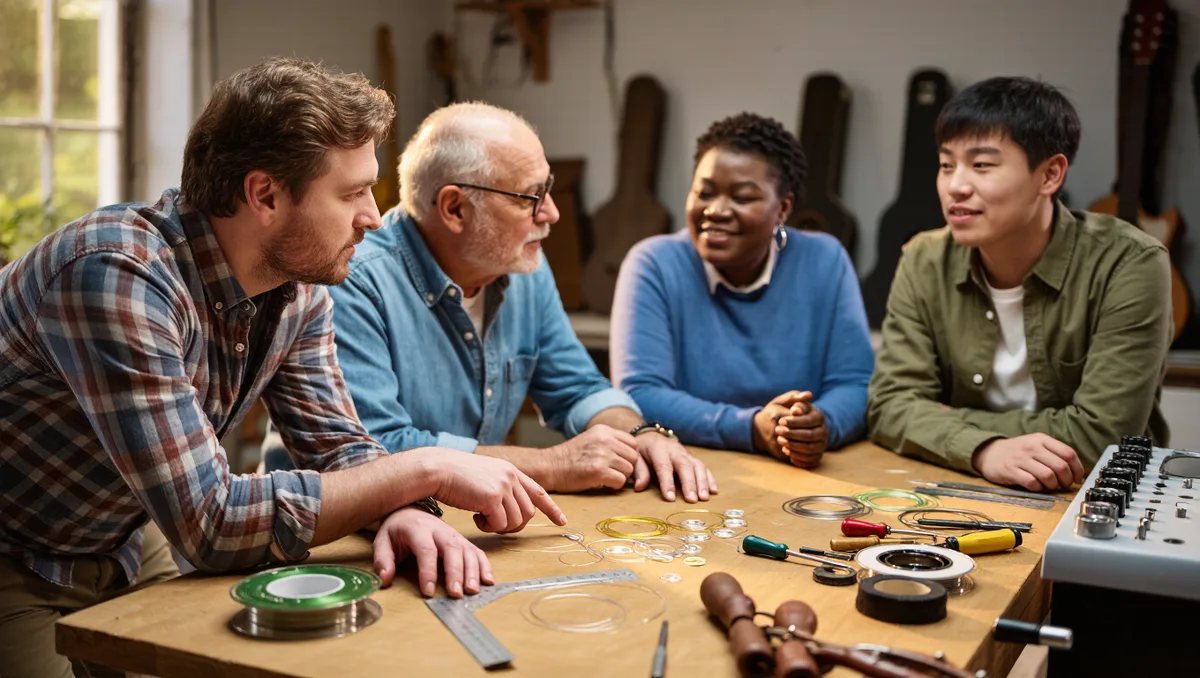
The core provision is a studio: a dedicated, often subsidized workspace that converts an apartment-bound practice into a production practice. Around it, programs differ sharply. Some provide stipends; some only waive fees. Some schedule open studios and studio visits with curators and critics; some end with a formal exhibition. Obligations run the same spectrum, from none beyond presence to participation in public programs and community teaching. The less tangible provisions matter as much: a cohort of peers, a mailing-list audience, and the discipline of a place to go every morning—the structural answer to the isolation of a practice built around a day job.
What a residency does not do is sell work or represent the artist—that remains the commercial gallery's role. The residency builds the practice; the gallery, eventually, builds the market.
Which programs operate in New York?
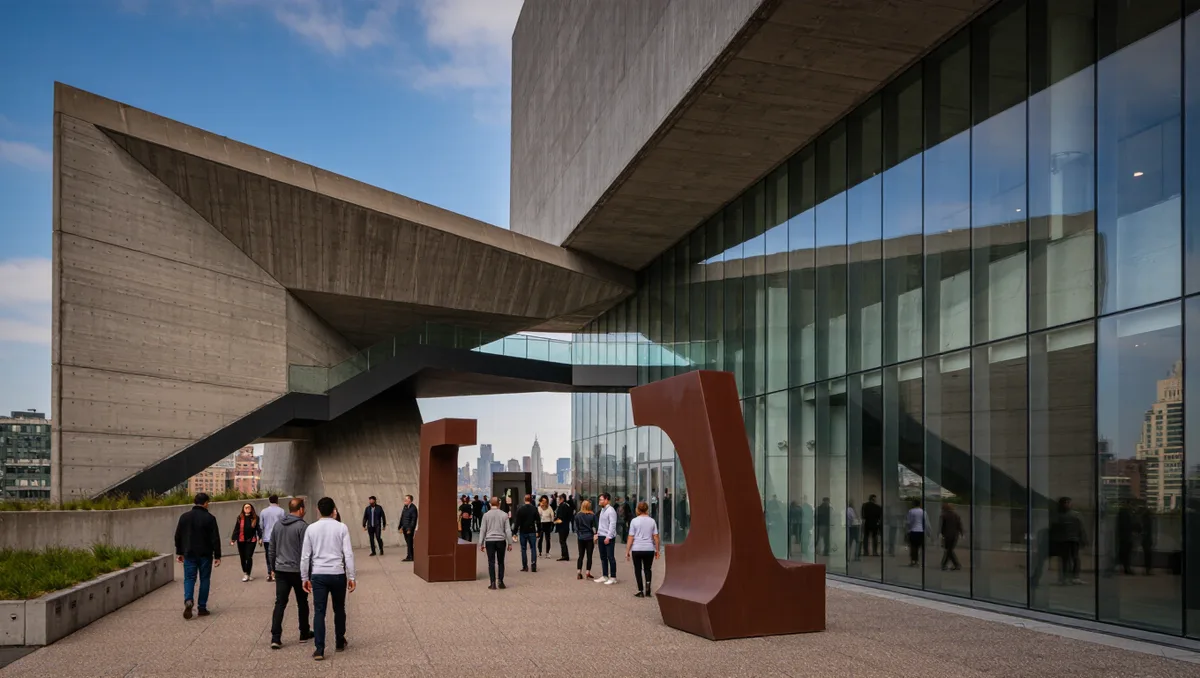
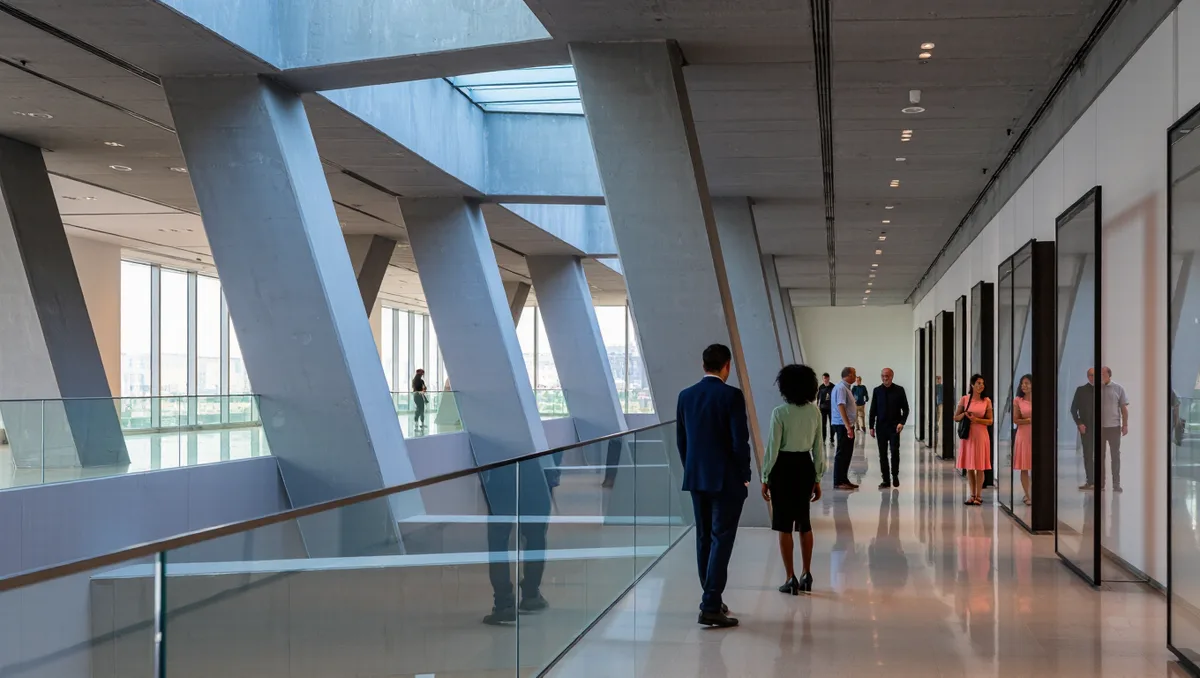
Four documented examples outline the range. The Studio Museum in Harlem—the museum founded in 1968 in Harlem devoted to artists of African descent—anchors its program in the new Bruce Llewellyn Artist in Residence Center in the building that opened November 15, 2025; its opening exhibition, From the Studio: Fifty-Eight Years of Artists in Residence (November 15, 2025–February 15, 2026), surveyed the program's history. The museum describes the residency, which supports artists of African descent, as a landmark of its nearly six decades of operation, and it announced a new cohort toward its 2026 program year. ISCP, founded in 1994 and housed in a former Brooklyn factory, adds curators to its mix of international residents. The Lower Manhattan Cultural Council runs Workspace, a nine-month residency for emerging artists, and the Arts Center at Governors Island, a 40,000-square-foot building operating residencies since 2010. Eyebeam, founded in 1999, focuses residencies and fellowships on art and technology.
Each publishes its own application deadlines and eligibility terms, which change annually; the programs' websites, not third-party listings, are the reliable source.
How do artists get in?
By application, on annual or biannual cycles, with portfolios, references, and project statements reviewed by rotating panels; some programs add nomination-only tracks. Strong applications tend to describe what the residency's specific resources—more space, a kiln, a theater, a research library—would let the artist attempt that a home studio cannot, which means the same portfolio should be reframed rather than reused across programs. Acceptance rates are low everywhere—the ratio of applicants to studios is structural in a city where workspace is the scarcest resource—and programs typically advise applying repeatedly. For artists who do enter, the documented outcomes concentrate in the months after: finished bodies of work, first exhibitions, and the professional network that a New York decade otherwise takes to build.