The Art Show, the fair mounted by the Art Dealers Association of America since 1988, has been retired. Per Artforum, December 4, 2025, the association announced a successor, the ADAA Fair, scheduled for November 12-16, 2026 at the Park Avenue Armory — the drill hall the association's fairs have called home for more than three decades. The 2025 edition of The Art Show had been canceled the previous July, and the December announcement confirmed that the name would go with it.
The retirement ended a turbulent stretch for a fair that spent most of its history in late winter. The Art Show's 36th edition ran October 29-November 2, 2024 at the Armory with about 75 member galleries, per the association's post-fair release; the 2025 edition was then canceled, with the cancellation reported in July 2025, amid what coverage described as a retrenching art market, gallery closures and softened sales.
What was the Art Show?
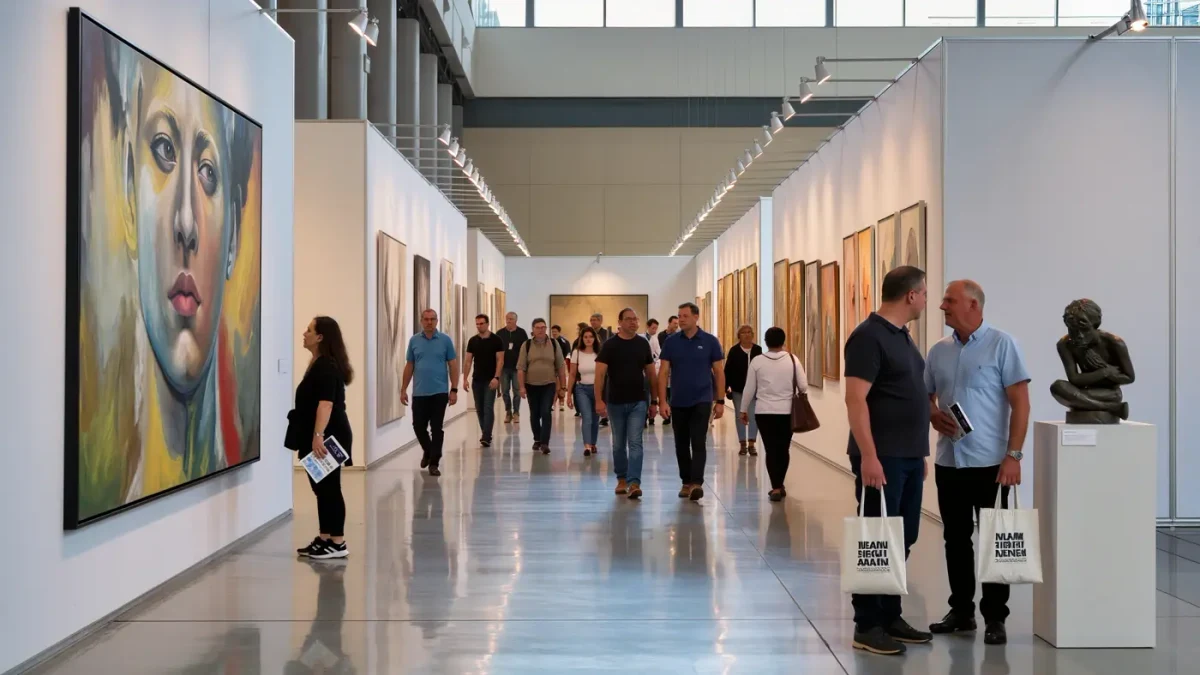
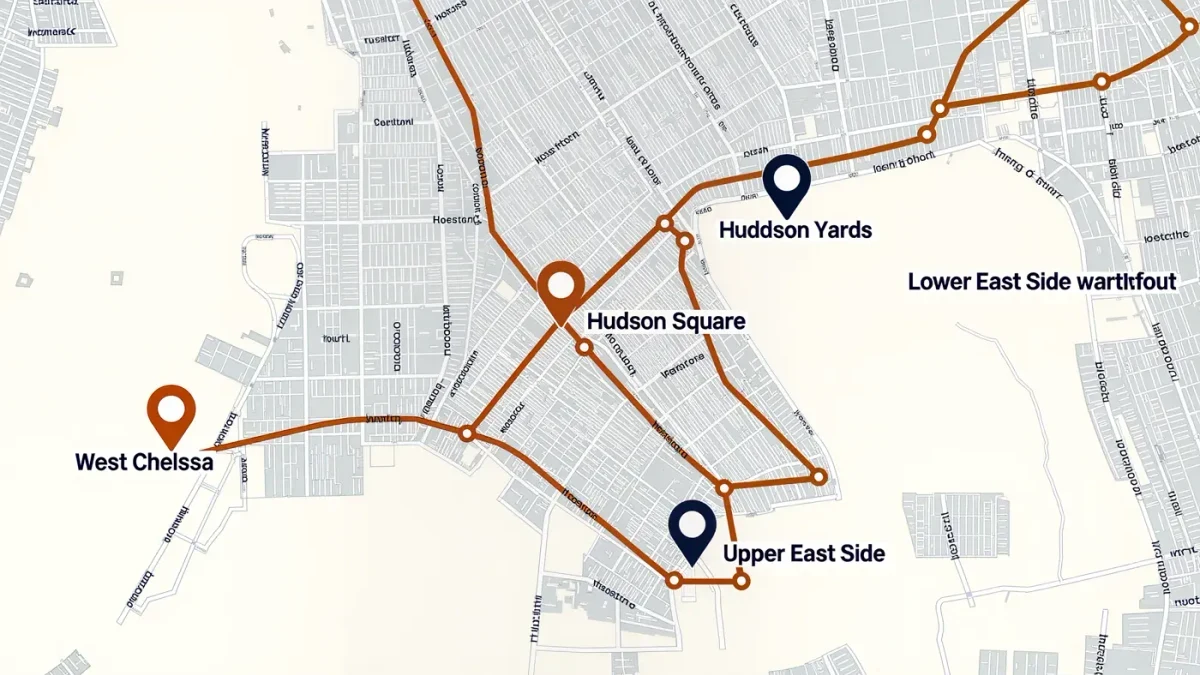
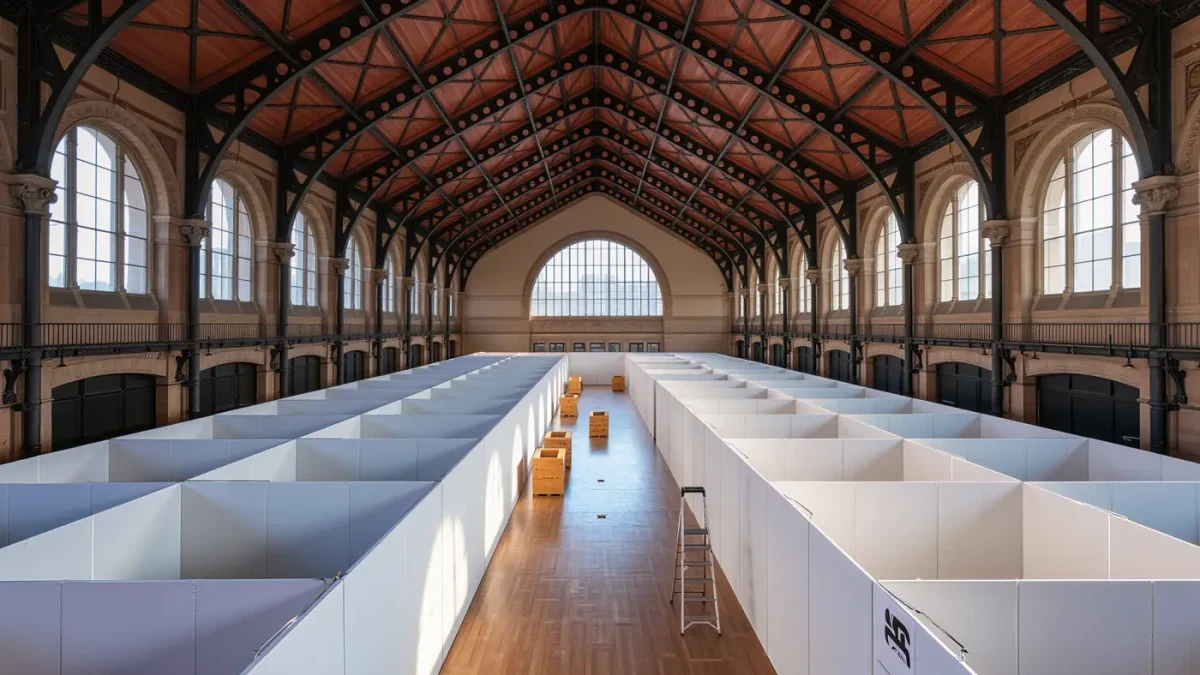
A small, high-currency fair run by a trade association rather than a commercial fair organizer. The Art Show was founded in 1988 by the Art Dealers Association of America, the membership organization of American dealers founded in 1962 that now counts roughly 200 member galleries across some 40 cities. From its home at the Park Avenue Armory on the Upper East Side, it presented a single hall of member booths — about 75 galleries at the final edition — with presentations that were often single-artist and aimed at museum curators and serious collectors rather than volume sales. Its opening gala, benefiting the Henry Street Settlement, the Lower East Side social services organization that had been the fair's beneficiary since its founding, raised more than $38 million for charity over the fair's run, per the association.
Why did the fair change?
Market pressure and calendar pressure arrived together. The 2025 cancellation, announced the previous July, was attributed in coverage to a contracting market, gallery closures, tariffs and economic uncertainty. When the ADAA announced the new fair in December 2025, it also signaled a changed beneficiary structure: the partnership with the Henry Street Settlement has ended, and the new fair highlights support for museums and cultural organizations, including the ADAA Foundation, the association's grant-making body established in 1972. The association's fair committee framed the successor as a chance to showcase member galleries while deepening support for museums nationwide.
What will the ADAA Fair look like?
By the announced plan, familiar in venue and character. The inaugural ADAA Fair runs November 12-16, 2026 at the Park Avenue Armory, opening with a preview gala on November 12 that benefits the Whitney Museum of American Art, per the fair's website. The hall is the same one visitors know from The Art Show and from TEFAF New York, the Maastricht-based fair that rents the Armory each May: a single drill hall plus period rooms, which caps the exhibitor count and keeps the browsing day short — two focused hours is a realistic visit where a Javits fair takes half of one. The exhibitor base is the association's own membership, which is the fair's distinguishing feature: booths are drawn from roughly 200 vetted American dealers rather than an open international application.
Why does the fair's scale matter?
Because it changes what a fair is for. A single-hall fair of about 75 booths, the size of the final Art Show editions, can be seen properly in one unhurried pass, which suits the association's membership of established dealers and the museum curators who have long used the week to survey what American galleries are holding. The larger international fairs — hundreds of booths across the Javits Center — reward strategy and stamina in equal measure; an association fair rewards attention instead. For a visitor, the choice between seeing everything and seeing anything does not really arise, and the practical limits of a visit are appetite and feet rather than time.
How does the November slot change a visit?
It plants the fair squarely in the city's museum season. November is when the Metropolitan Museum of Art and its peers open the exhibitions that carry the winter, and a drill-hall fair now sits inside that rhythm rather than ahead of the spring clusters — the May week of Frieze New York, TEFAF New York and Independent, and the late-September week led by the Armory Show. Practically, an Upper East Side evening in November means coats at the coat check, a short walk to the 6 train at 68th Street-Hunter College after closing, and first-night energy compressed into the preview gala rather than spread across a multi-day VIP program.
How do you visit?
As with its predecessor, the practical entry point is the fair's website, where tickets, hours and the exhibitor list will be published closer to the opening; admission details had not been announced as of February 2026 and are subject to change. The venue is the Park Avenue Armory at 643 Park Avenue at 66th-67th Streets, served by the 6 train and by the Madison and Fifth Avenue buses. An Upper East Side fair rewards pairing: the Armory sits between the Metropolitan Museum of Art and the Frick Collection, both walkable, and November evenings at the Armory are quiet relative to the Saturday crush of the larger fairs. The run rewards its edges: opening night is the most social, weekday afternoons the calmest, and the final afternoon the emptiest — a pattern the successor is positioned to inherit.
What should a first-time visitor expect?
A fair built for looking rather than logging. The Art Show's format — one hall, dealer-curated booths, dense wall labels, prices on request — is expected to carry over, and the format suited the fair's audience of curators, trustees and collectors. Visitors who found the big fairs overwhelming generally did well here precisely because of the scale: a single pass through the drill hall, taken slowly, covers the whole fair. The benefit gala on the first night is a ticketed fundraiser rather than a public preview; public days follow, and the final afternoon has historically been the calmest time to see work that dealers have not yet packed.
The room itself will be a working market rather than a corridor of displays. Curators, trustees, advisors and collectors move through the aisles with intent; conversations about works happen at the booth, on the hall's benches and by phone; and the desk of each presentation holds the documentation. Visitors are part of that ecology rather than spectators at it — asking who an artist is, what a gallery represents and what a work costs is the ordinary business of the room, and no purchase is implied by the asking.
What the announced plan does settle is the calendar. There was no association fair in 2025, and none is coming in late winter: the successor keeps the November dates the 2024 edition adopted, and spring visitors to New York will find the city's fair calendar concentrated in mid-May and late September instead.
- Venue. Park Avenue Armory, 643 Park Avenue, Manhattan.
- Dates. November 12-16, 2026 (announced December 4, 2025; preview gala November 12 benefiting the Whitney Museum of American Art).
- Admission. Not yet announced as of February 2026; check the fair's website. Hours and details subject to change.