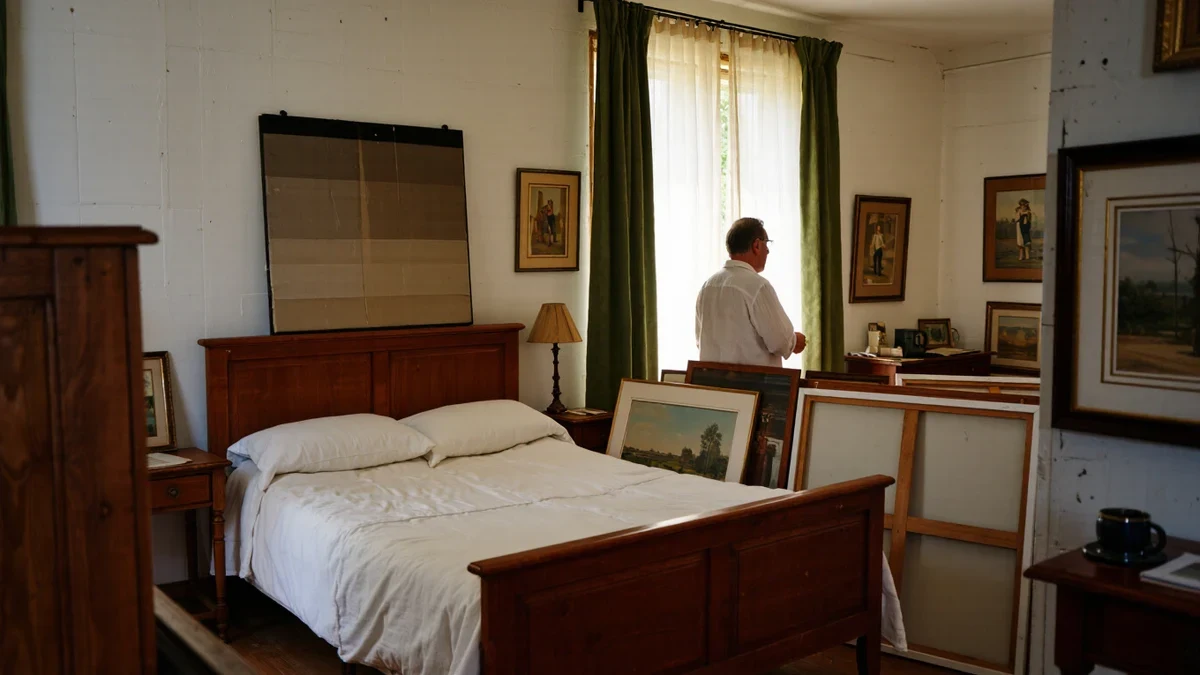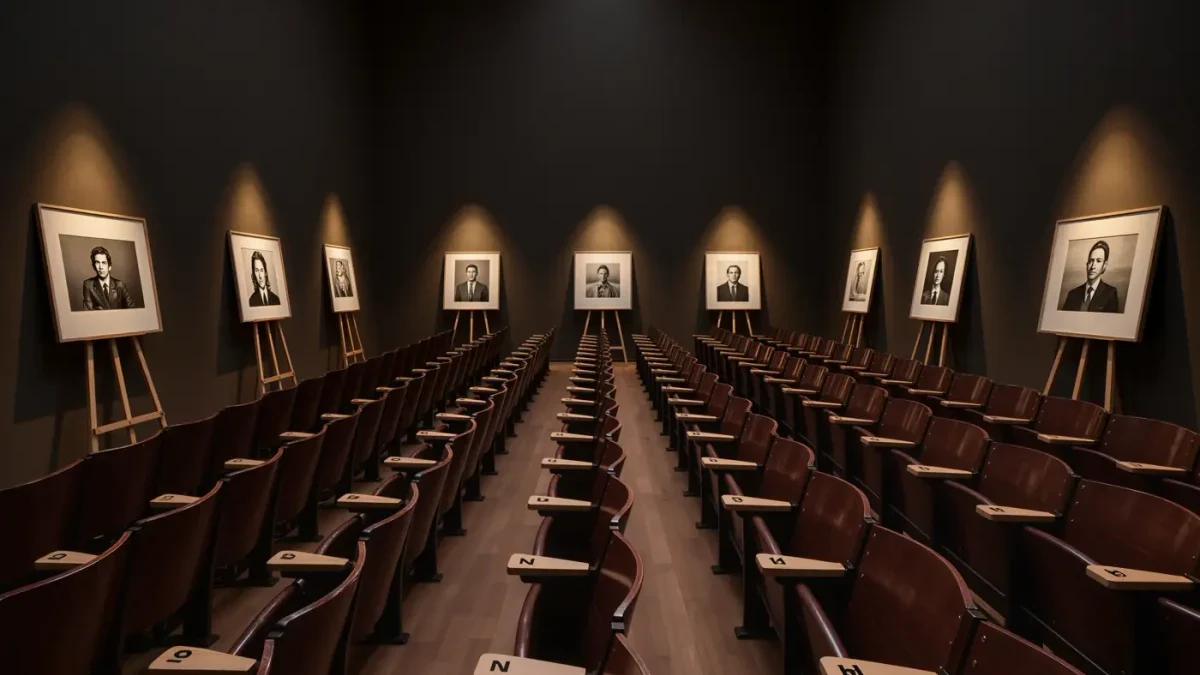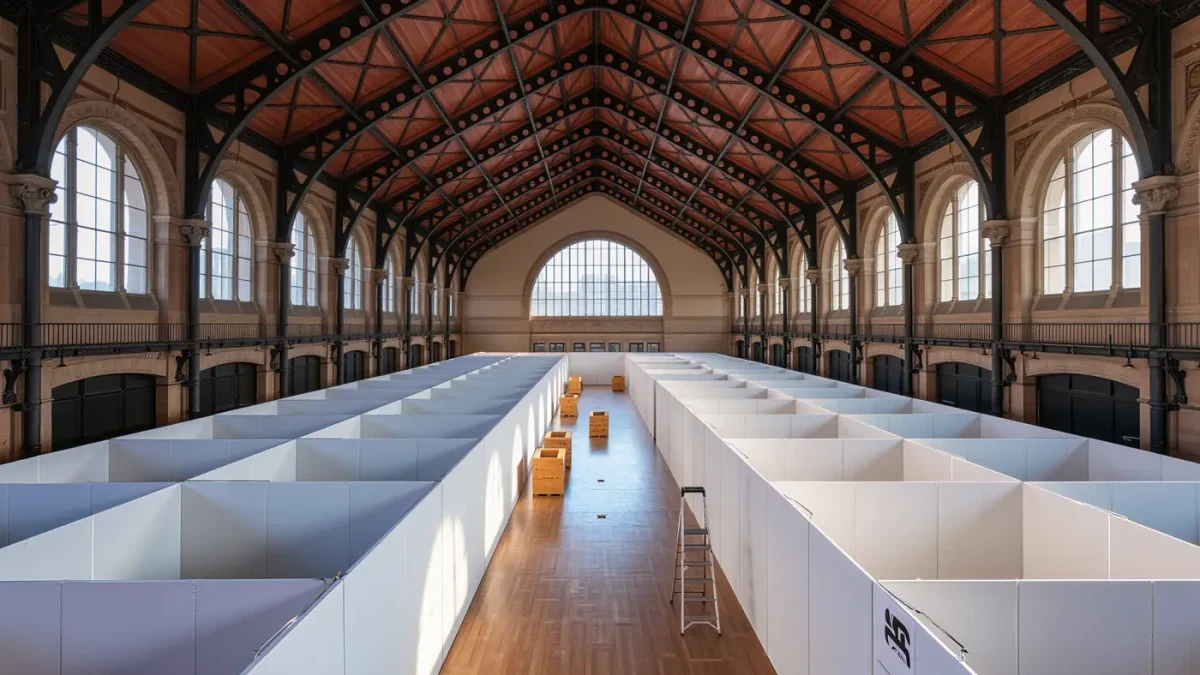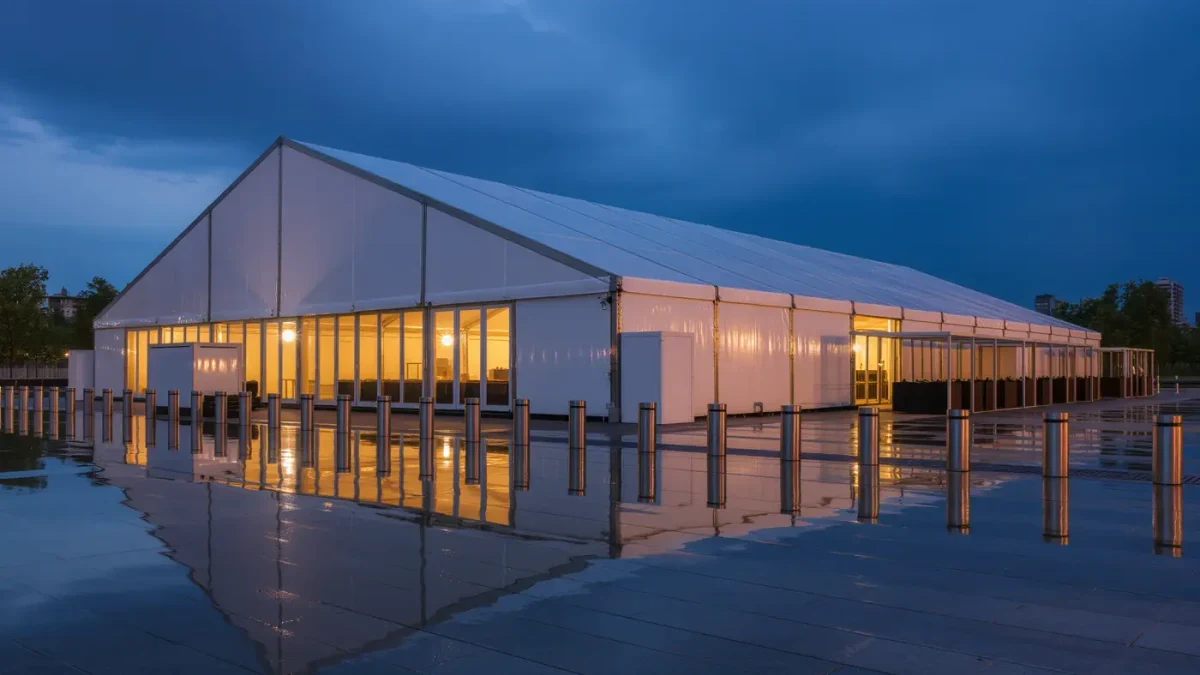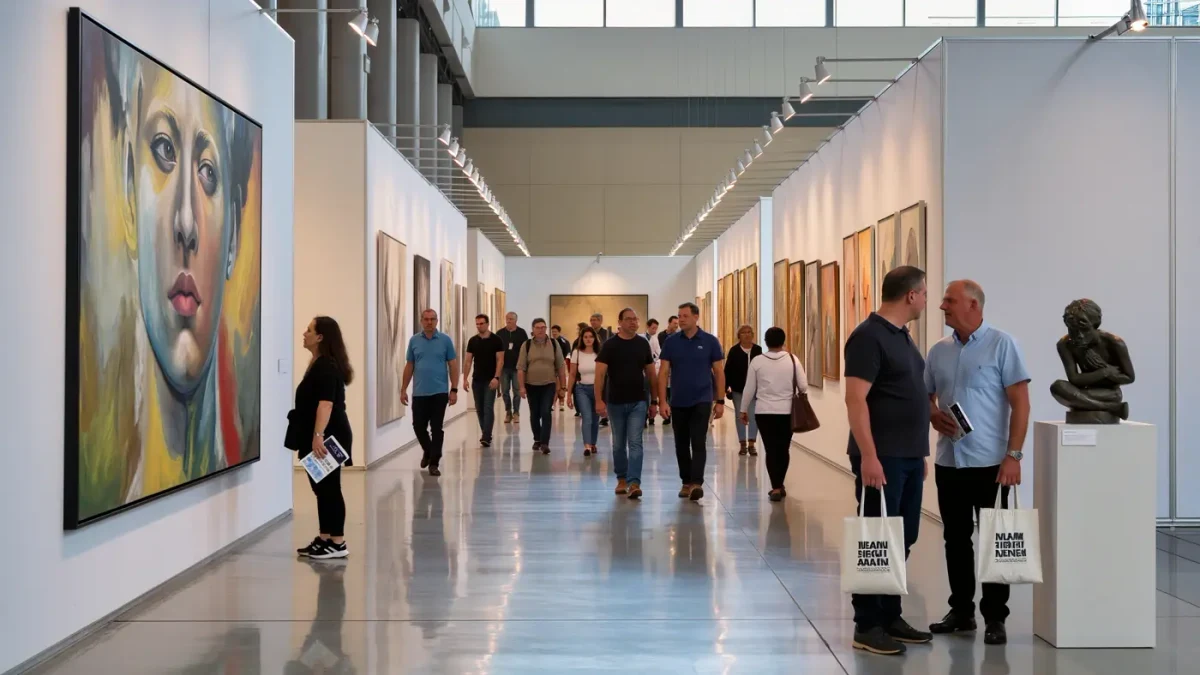
The Spring/Break Art Show is a New York fair built on rooms rather than booths: curators apply with a proposal, are assigned a room and stage it with artists' work around a single annual theme, and visitors walk a fair that behaves more like a haunted house of group exhibitions than a trade show. Founded in 2009 by Andrew Gori and Ambre Kelly, the organizers behind the creative collective The They Co., the fair began in a former Nolita schoolhouse and grew into a countercalendar fixture of the city's fair weeks. It remains the standard answer to the question of which New York fair is worth seeing without any intention of buying.
The fair's character follows from its economics. Where a conventional fair charges galleries steep per-booth fees, Spring/Break has kept participant costs low by design, which is what allows independent curators rather than established dealers to mount presentations — and why the work skews younger, weirder and more often site-specific.
How does the room format work?
Each edition announces a theme, and every room answers it. Curators submit a concept tied to the theme; accepted projects receive a room, sometimes a classroom, office or corridor depending on the venue, and the installation is built for that space. At the fair's peak scale, coverage counted more than 400 artists and 100 curators across multiple floors. The theme is not decoration — recent editions organized whole rooms around single-word prompts, and the cumulative effect is a single sprawling exhibition that happens to be divisible into rooms. Visitors read the wall text at each doorway and proceed; there are no price lists on pillars and few red dots.
Where has it been held?
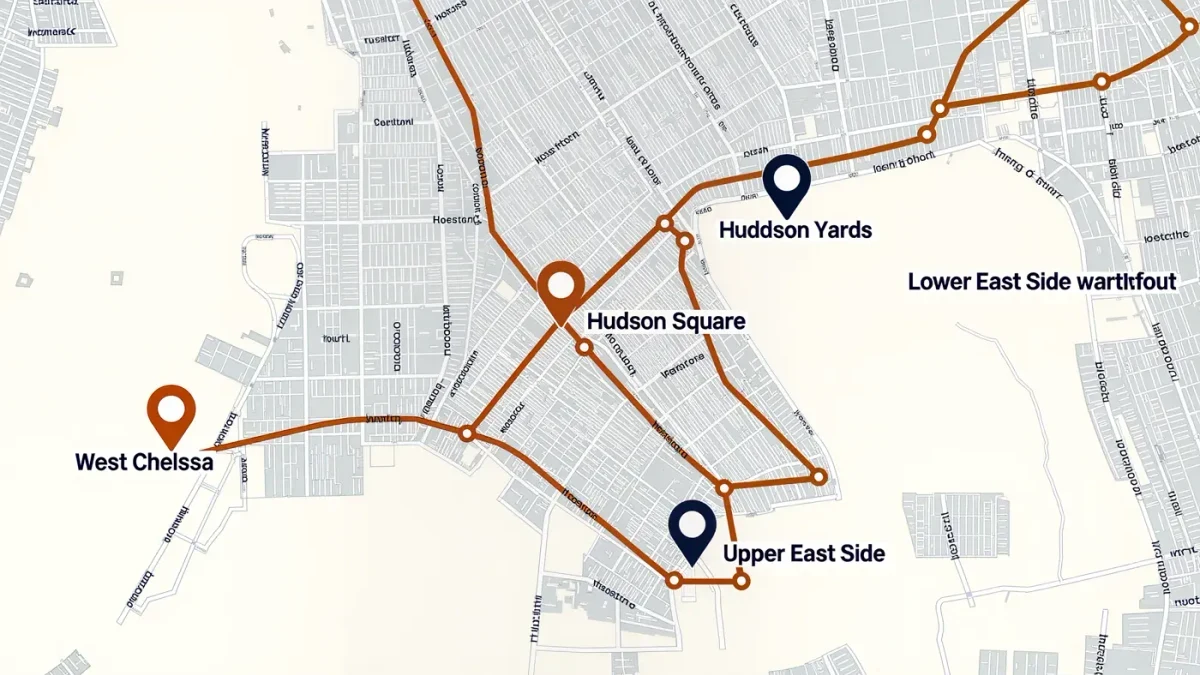
In venues no other fair wants, which is the point. The earliest editions took over the old St. Patrick's School in Nolita; later editions moved through office floors and other borrowed buildings. The 2024 and 2025 New York editions were held at 75 Varick Street in Hudson Square, a former office block whose tenth floor the fair fitted out as a maze of rooms; the 2025 edition ran through May 12, 2025, open daily from noon to 7 p.m., per Artnet's coverage. The fair has also mounted editions in other cities, but New York remains its home calendar.
How should you visit?
Slowly, and in one pass. Because presentations are rooms rather than booths, the fair rewards reading wall texts and doubling back rather than sweeping aisles — two to three hours is a realistic visit. Evenings are crowded and loud, in the tradition of the fair's party-adjacent openings; a weekday afternoon is calmer and better for the installations that use low light or sound. Comfortable shoes matter more than at any booth-based fair, since the floors are whatever the host building came with. The compact footprint means a missed room is a two-minute walk back, so doubling back beats regret; the crowd also thins noticeably in the final hour before closing, which is when the sound- and light-dependent installations get their calmest audiences. Tickets are sold through the fair's website for timed entry, and the theme and venue for each edition are announced there first.
Timing has been the fair's one moving part. Founded to coincide with the city's spring fair week, it has in recent cycles followed the Armory Show and Frieze New York around the calendar; the 2025 edition ran in May alongside Frieze week. Checking the fair's website for the current year's dates, venue and theme before planning remains the operative advice — the format is dependable even when the calendar is not.
- Format. Curator-led themed rooms; more than 100 curators at recent scale.
- Recent venue. 75 Varick Street, Hudson Square (2024-25 New York editions).
- Next edition. Dates, venue and theme announced on the fair's website; details subject to change.