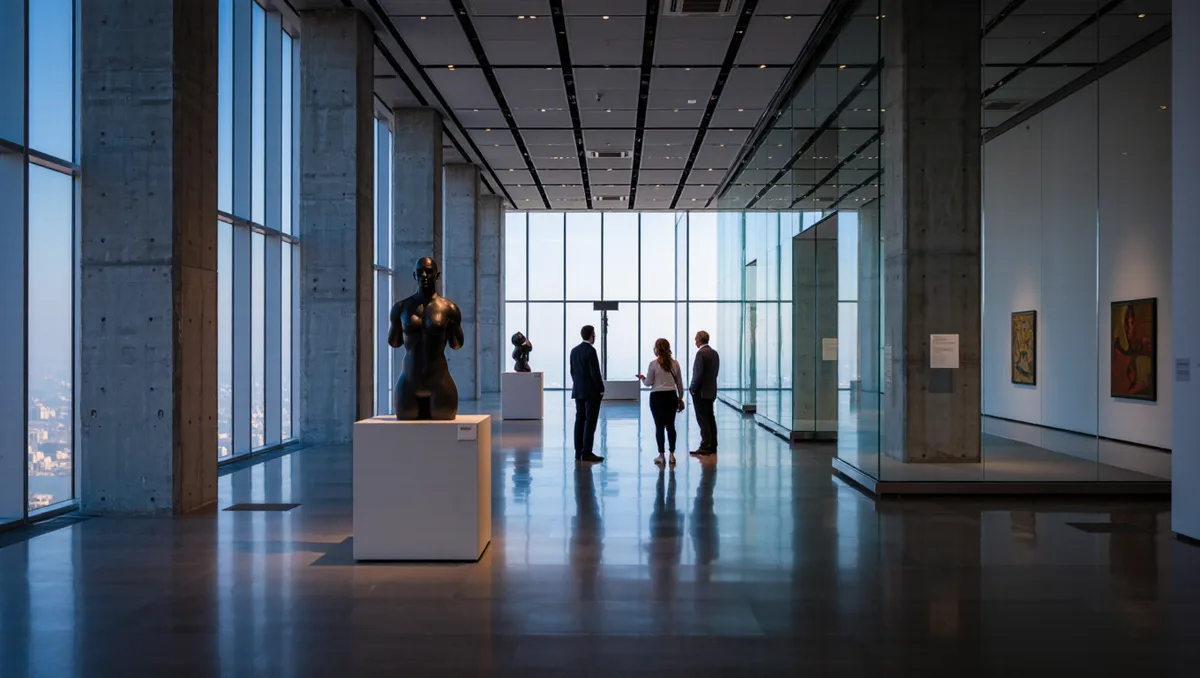
Nine weeks: that is how long the Obama portraits stayed at the Brooklyn Museum, from August 27 to October 24, 2021, one leg of a five-city tour. Down the Eastern Seaboard and four years later, Superfine: Tailoring Black Style stayed at the Metropolitan Museum of Art from May 10 to October 26, 2025 — more than twice as long. Run length is set less by curators than by tour contracts, lender permissions and ticketing capacity.
Visitors feel those constraints as closing dates. Understanding where they come from makes the calendar easier to read — and easier to beat.
What sets an exhibition's run?
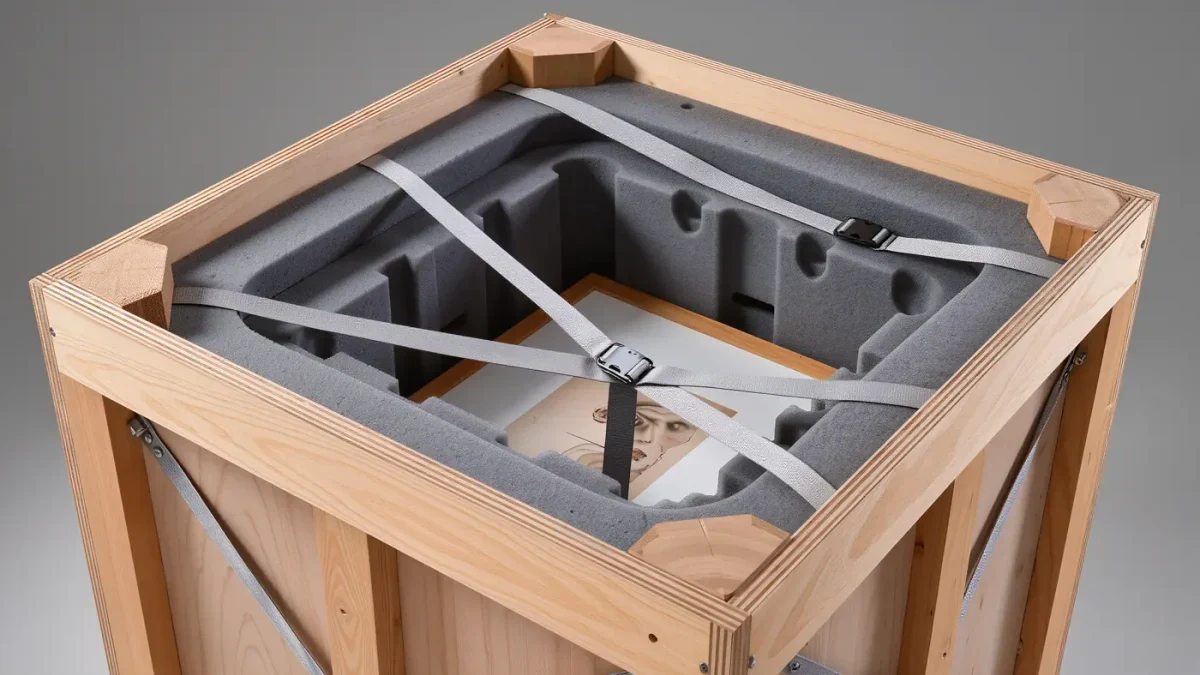
Three things, in rough order of rigidity. First, the itinerary: a touring exhibition has contractually fixed dates at each venue, because the next museum's install crew is booked for the week after the crates ship out. The Obama portraits tour, organized by the Smithsonian's National Portrait Gallery, ran five cities from June 2021 to May 2022 with almost no slack between legs.
Second, loan permissions. Lenders agree to part with works for a set window; when the window closes, a painting goes back to a collector's wall or a museum's own galleries. Third, the venue's own calendar, which interleaves special exhibitions with collection rotations and construction. A museum only has so many special-exhibition slots a year, and each must earn its schedule.
Why do big ticketed shows keep to set windows?
Because everything around them is scheduled to the day: timed-entry capacity, marketing, catalogues, staff. The Whitney Museum of American Art's presentation of Amy Sherald: American Sublime ran from April 9 to August 10, 2025, roughly seventeen weeks, and then the gallery turned over to the next exhibition. The Museum of Modern Art's retrospective Wifredo Lam: When I Don't Sleep, I Dream ran from November 10, 2025 to April 11, 2026, about twenty-two weeks, per the museum's calendar.
Longer runs are usually a sign that a museum expects visitors across a whole season rather than a single wave. The Costume Institute's spring exhibitions at the Met, which open with the Met Gala in May and close in autumn, are the template: Superfine ran about twenty-four weeks, long enough to catch summer tourists and the fall audience alike.
Recurring exhibitions apply the same logic on their own schedule. The Whitney Biennial, the museum's survey of current American art, opens early in the spring and runs through the summer — the 2024 edition lasted from March 20 to August 11, 2024, roughly twenty weeks — because its audience accumulates over months of reviews, word of mouth and vacation travel rather than arriving in one opening-week wave.
Why do collection galleries run indefinitely?
Because the works belong to the museum. Permanent collection galleries — the rooms most visitors actually come for — stay on view for years, changing only when a curator rehangs them. The Met's European Paintings galleries, reinstalled as Look Again: European Paintings 1300–1800, reopened on November 20, 2023 with more than 700 works and no closing date at all, after a skylights construction project that had kept sections of the suite closed since 2018.
The same logic applies to the city's newest permanent displays: when a wing reopens, it is built to hold its arrangement for years, not weeks. Run length, in other words, tracks ownership. Loans run short; collection hangs run long.
How should visitors use run lengths?
- Short runs close hardest. Tour stops of eight to ten weeks, like the Obama portraits in Brooklyn, do not get extended; the truck is booked.
- Final weekends are the busiest. For any show, the last ten days concentrate the crowds that postponed.
- Long runs reward mid-week visits. Season-spanning shows are emptiest on weekday mornings after opening month.
- Check the source. Dates on a museum's own exhibition page govern; aggregators lag, and all dates are subject to change.